

Why Every Manufacturer Needs a Bags Packing Machine in Their Facility
Date:
2025-05-06
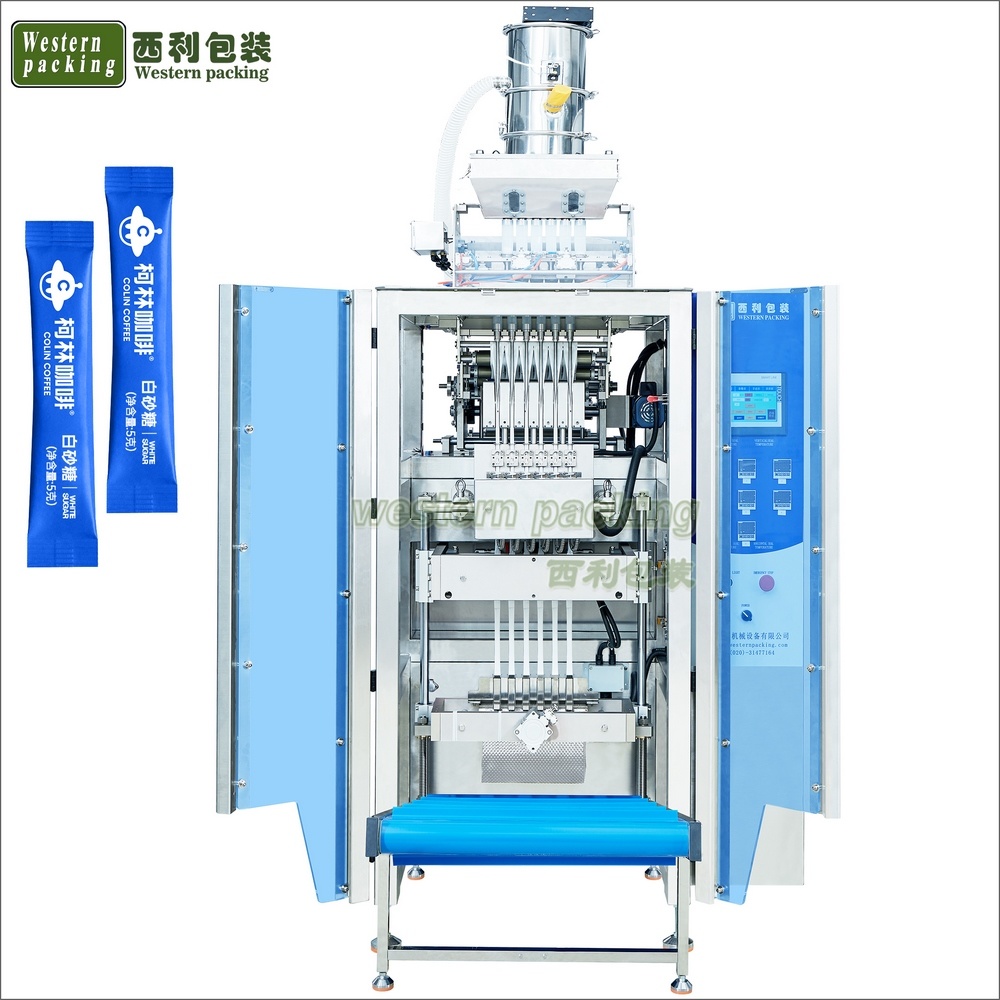
Understanding the Importance of a Bags Packing Machine in Manufacturing
In today's fast-paced manufacturing environment, efficiency and productivity are paramount. Every second counts, and the ability to package products quickly and accurately can make or break a company's success. A bags packing machine stands out as a vital piece of equipment that can significantly enhance operational capabilities.
The Evolution of Packaging in Manufacturing
Packaging has evolved dramatically over the years, transitioning from manual methods to automated solutions. This evolution is driven by the need for speed, accuracy, and cost-effectiveness. With the rise of e-commerce and global trade, manufacturers are under increasing pressure to deliver products quickly while maintaining high-quality standards.
What is a Bags Packing Machine?
A bags packing machine is an automated device designed to package products into bags efficiently. These machines can handle various materials, including granules, powders, liquids, and even solid items. Features typically include:
- **Automatic bag forming**
- **Filling and sealing capabilities**
- **Integrated weigh scales** for precise measurement
- **User-friendly interfaces** for ease of operation
Types of Bags Packing Machines
Manufacturers can choose from several types of bags packing machines, each suited to specific applications:
1. **Vertical Form Fill Seal (VFFS) Machines**: Ideal for packaging granulated and powdered products. They create bags from a flat roll of film, fill them, and then seal them in a continuous operation.
2. **Horizontal Form Fill Seal (HFFS) Machines**: These machines are suitable for items that need to be packaged in a more horizontal orientation, such as snacks or bakery products.
3. **Pre-Made Pouch Filling Machines**: Best for products that require pre-formed bags. This type of machine offers flexibility in terms of bag size and material.
Why Your Facility Cannot Afford to Miss Out on a Bags Packing Machine
Integrating a bags packing machine into your production line can bring numerous benefits.
1. Enhanced Efficiency and Speed
Time is money in manufacturing. A bags packing machine operates at high speeds, allowing for rapid packaging of large quantities of products. This automation reduces labor costs and minimizes human error, leading to a more streamlined production process.
2. Improved Product Safety and Integrity
Using bags packing machines ensures that your products are sealed correctly, reducing the risk of contamination. High-quality sealing mechanisms protect products from external elements, thus maintaining their integrity during storage and shipping.
3. Flexibility and Customization
Modern bags packing machines offer various settings to accommodate different bag sizes and styles. This flexibility allows manufacturers to adapt quickly to changing market demands or product specifications without investing in entirely new machinery.
4. Cost Efficiency
Although the initial investment in a bags packing machine can be significant, the long-term savings are substantial. Automation reduces the need for manual labor, lowers material waste, and maximizes output, resulting in decreased overall production costs.
5. Better Compliance with Industry Standards
As regulations around packaging materials and processes tighten, having a reliable bags packing machine can help ensure compliance. These machines often come equipped with features that adhere to industry standards, giving manufacturers peace of mind.
The Impact of Bags Packing Machines on Various Industries
Bags packing machines are not limited to a single industry; they play critical roles in various sectors, including food and beverage, pharmaceuticals, and consumer goods.
Food and Beverage Industry
In the food sector, maintaining freshness is essential. Bags packing machines help preserve product quality by ensuring airtight seals and proper packaging formats, which are crucial for products like coffee, snacks, and frozen goods.
Pharmaceutical Industry
For pharmaceutical manufacturers, accurate dosing and contamination prevention are vital. Bags packing machines ensure that medications are securely packaged, reducing the risk of errors and maintaining regulatory compliance.
Consumer Goods
For manufacturers of household products, cosmetics, and personal care items, bags packing machines can offer aesthetic packaging options that attract consumers while ensuring durability during transit.
Key Features to Look for in a Bags Packing Machine
When selecting a bags packing machine for your facility, consider the following features:
1. Automation Level
Look for machines with varying degrees of automation to best fit your production needs.
2. Speed and Output Capacity
Choose a machine that can handle your required output levels to meet demand without bottlenecks.
3. Compatibility with Different Bag Types
Ensure the machine can work with multiple bag sizes and types to provide versatility in your packaging operations.
4. Maintenance and Support
Understand the maintenance requirements and the availability of support from the manufacturer to minimize downtime.
Frequently Asked Questions (FAQs)
1. How much does a bags packing machine cost?
The cost varies based on features, automation level, and capacity, ranging from a few thousand to several hundred thousand dollars.
2. How long does it take to install a bags packing machine?
Installation time can vary but generally takes a few days to a week, depending on the complexity of the system.
3. Can a bags packing machine be integrated into existing production lines?
Yes, most modern bags packing machines are designed for easy integration into existing systems.
4. What maintenance is required for bags packing machines?
Regular cleaning, lubrication of moving parts, and periodic inspections are necessary to ensure optimal performance.
5. Are there any specific training requirements for operating a bags packing machine?
Training is typically required to ensure operators understand the machine's functions, safety protocols, and maintenance procedures.
Conclusion
In conclusion, integrating a bags packing machine into your manufacturing facility is not just a strategic move; it's an essential investment for enhancing productivity, ensuring product safety, and maintaining competitive advantage in today's market. By understanding the various types of machines available, their benefits, and the features to look for, manufacturers can make informed decisions that lead to long-term success. Don't overlook the potential for increased efficiency and cost savings—embracing automation with a bags packing machine could very well be the next step in your operational evolution.
bags packing machine

Innovations in Granule Packing Technology You Should Know
Innovations in Granule Packing Technology: A Comprehensive Guide Table of Contents Understanding Granule Packing Technology Importance of Granule Packing in Manufacturing Key Innovations in Granule Packing Technology The Role of Automation in Granule Packing Sustainable Packaging Solutions for Granules Advanced Sensors and Monitoring Systems Case Studies and Industry Examples Futu
2026-08-28
Maximize Efficiency with Advanced Tea Bag Packing Machines
In the realm of packaging machinery, tea bag packing machines represent a vital innovation for manufacturers in the tea industry. These specialized machines are designed to automate the tea bag production process, significantly increasing efficiency while maintaining the quality of the product. With the growing demand for convenient tea options, understanding the functionality and advantages of te
2026-08-27
How Food Packaging Machines Enhance Product Safety and Compliance
How Food Packaging Machines Enhance Product Safety and Compliance Table of Contents 1. Introduction to Food Packaging Machines 2. The Importance of Food Safety in Packaging 3. Types of Food Packaging Machines 4. Advanced Technologies in Food Packaging 5. Regulatory Compliance in Food Packaging 6. The Impact of Food Packaging on Product Safety 7. Best Practices for Food
2026-08-26


Head office :
112 ROBINSON ROAD #03-01 ROBINSON 112 ,SINGAPORE
HONGKONG BRANCH :
12/F ZJ 300 300 LOCKHART ROAD WAN
CHAI HK
GUANGZHOU BRANCH:
3th, Yilongjie Wulonggang, Zhongluotan, Baiyun district, Guangzhou,China
Subscribe to our newsletter and get professional packaging solution


SAF Coolest v1.3.1.2 设置面板 UFQSX-ANRV-PSSVE-XVF
无数据提示
Sorry, the current column is being updated, please look forward to it!