

Understanding the Functionality and Importance of Packing Machines for Milk
Date:
2024-10-11
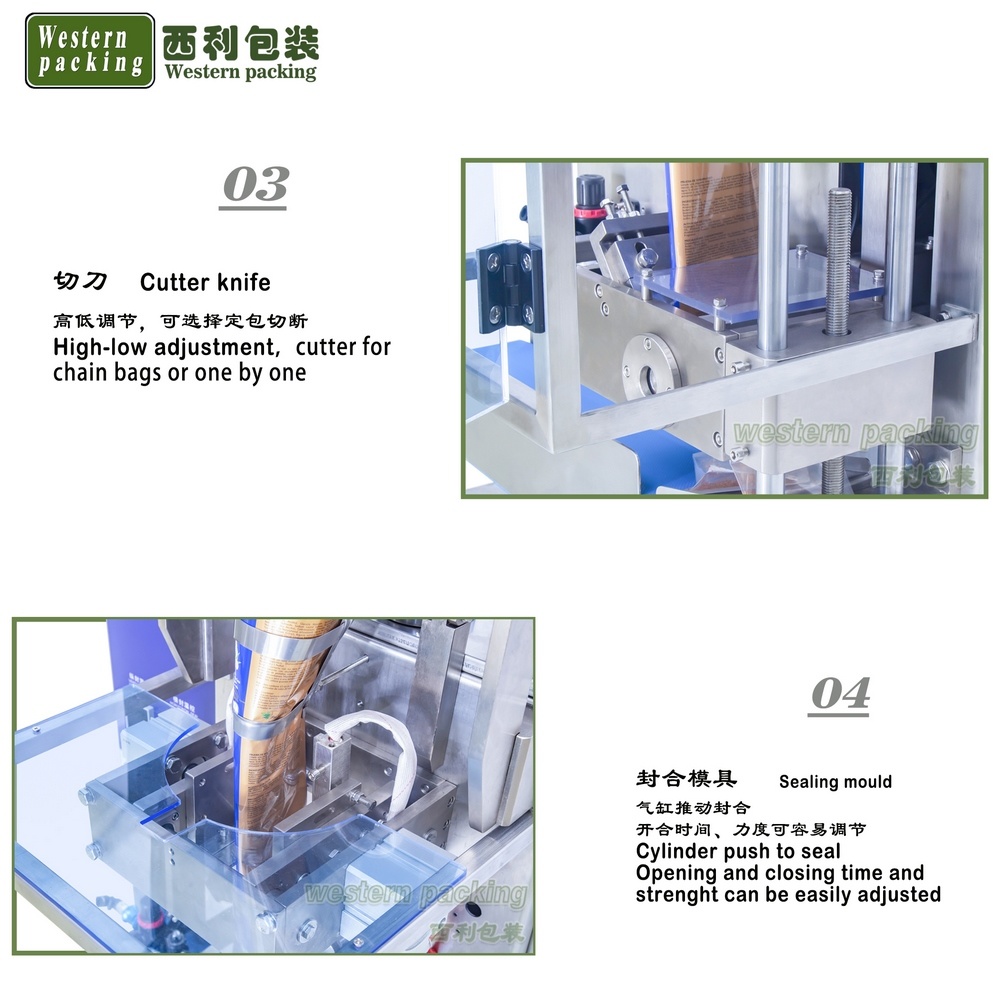
One of the primary functions of a packing machine for milk is to automate the packaging process, which significantly enhances efficiency. Traditional manual packaging can be labor-intensive, leading to inconsistencies and potential contamination risks. Automated packing machines eliminate these concerns by providing a controlled environment where milk can be securely packaged in various formats, such as cartons, bottles, or pouches, all while adhering to stringent hygiene standards.
Another vital aspect of these machines is their ability to preserve the freshness and quality of milk. The packing process often involves pasteurization, which kills harmful bacteria, and subsequent packaging in a way that minimizes exposure to light and air. This is crucial as both elements can degrade milk quality. Modern packing machines come equipped with advanced technology, such as vacuum sealing and inert gas flushing, which help extend the shelf life of the product by preventing spoilage.
Moreover, the design of packing machines includes features that allow for flexibility in production. Whether a manufacturer needs to switch from packaging whole milk to skim or flavored milk, many machines can be adjusted easily without extensive downtime. This versatility is essential for manufacturers looking to capture various market segments and respond to changing consumer demands.
Efficiency is not solely about speed; it also encompasses resource management. Packing machines for milk are designed to minimize waste, both in terms of packaging materials and the product itself. By ensuring accurate filling and sealing, these machines help reduce excess material use and product spillage, contributing to a more sustainable manufacturing process.
In conclusion, packing machines for milk are indispensable tools in the dairy industry, combining functionality, efficiency, and sustainability. By investing in advanced packing technology, manufacturers can enhance their operational efficiency, ensure product quality, and meet consumer expectations. Understanding these machines’ significance and capabilities empowers industry professionals to make informed decisions that can lead to greater success in a competitive market.
packing machine milk

Innovations in Granule Packing Technology You Should Know
Innovations in Granule Packing Technology: A Comprehensive Guide Table of Contents Understanding Granule Packing Technology Importance of Granule Packing in Manufacturing Key Innovations in Granule Packing Technology The Role of Automation in Granule Packing Sustainable Packaging Solutions for Granules Advanced Sensors and Monitoring Systems Case Studies and Industry Examples Futu
2026-08-28
Maximize Efficiency with Advanced Tea Bag Packing Machines
In the realm of packaging machinery, tea bag packing machines represent a vital innovation for manufacturers in the tea industry. These specialized machines are designed to automate the tea bag production process, significantly increasing efficiency while maintaining the quality of the product. With the growing demand for convenient tea options, understanding the functionality and advantages of te
2026-08-27
How Food Packaging Machines Enhance Product Safety and Compliance
How Food Packaging Machines Enhance Product Safety and Compliance Table of Contents 1. Introduction to Food Packaging Machines 2. The Importance of Food Safety in Packaging 3. Types of Food Packaging Machines 4. Advanced Technologies in Food Packaging 5. Regulatory Compliance in Food Packaging 6. The Impact of Food Packaging on Product Safety 7. Best Practices for Food
2026-08-26


Head office :
112 ROBINSON ROAD #03-01 ROBINSON 112 ,SINGAPORE
HONGKONG BRANCH :
12/F ZJ 300 300 LOCKHART ROAD WAN
CHAI HK
GUANGZHOU BRANCH:
3th, Yilongjie Wulonggang, Zhongluotan, Baiyun district, Guangzhou,China
Subscribe to our newsletter and get professional packaging solution


SAF Coolest v1.3.1.2 设置面板 UFQSX-ANRV-PSSVE-XVF
无数据提示
Sorry, the current column is being updated, please look forward to it!