

The Future of Milk Packaging: Innovations in Packing Machines
Date:
2024-10-10
The Future of Milk Packaging: Innovations in Packing Machines
Table of Contents
1. Introduction to Milk Packaging Innovations
2. The Evolution of Milk Packaging
3. Key Innovations in Milk Packaging Machines
3.1 Smart Packaging Technologies
3.2 Sustainable Packaging Materials
3.3 Enhanced Shelf Life Solutions
3.4 Automation in Milk Packaging
4. Importance of Efficient Milk Packaging
5. Challenges Facing the Milk Packaging Industry
6. Future Trends in Milk Packaging Technology
7. Case Studies: Successful Innovations in the Field
8. Frequently Asked Questions (FAQs)
9. Conclusion
1. Introduction to Milk Packaging Innovations
As we look towards the future of the dairy industry, **milk packaging** stands at the forefront of innovation. With increasing consumer demand for sustainability, convenience, and improved product quality, the need for advanced packing machines has never been more critical. Modern technologies are reshaping how milk is packaged, ensuring that it remains fresh and safe while also appealing to environmentally conscious consumers.
2. The Evolution of Milk Packaging
Historically, milk was delivered in glass bottles, which were both effective and reusable. However, as the dairy industry grew, so did the need for more efficient packaging methods. The transition to plastic and carton packaging introduced **lightweight** and **cost-effective** solutions but came with environmental concerns. Today, the focus has shifted toward **innovative technologies** that prioritize sustainability without compromising quality.
3. Key Innovations in Milk Packaging Machines
The landscape of milk packaging is rapidly evolving, driven by technological advancements. Below are some key innovations that are shaping the future of milk packaging machines.
3.1 Smart Packaging Technologies
Smart packaging involves the integration of **sensors and data analytics** into milk packaging solutions. These technologies can monitor the freshness of the product, detect spoilage, and provide real-time data to both manufacturers and consumers. This level of transparency not only enhances consumer trust but also allows producers to optimize inventory management.
3.2 Sustainable Packaging Materials
With environmental concerns at an all-time high, the dairy industry is increasingly adopting **biodegradable and recyclable materials**. Innovations like plant-based plastics and **compostable films** are gaining traction. These sustainable alternatives help reduce the ecological footprint of milk packaging, aligning with global sustainability goals.
3.3 Enhanced Shelf Life Solutions
Extended shelf life is crucial for dairy products, and recent advancements have led to packaging solutions that significantly slow down spoilage. Technologies such as **vacuum sealing** and **modified atmosphere packaging** (MAP) are now commonplace, ensuring that milk stays fresher for longer while maintaining its nutritional value.
3.4 Automation in Milk Packaging
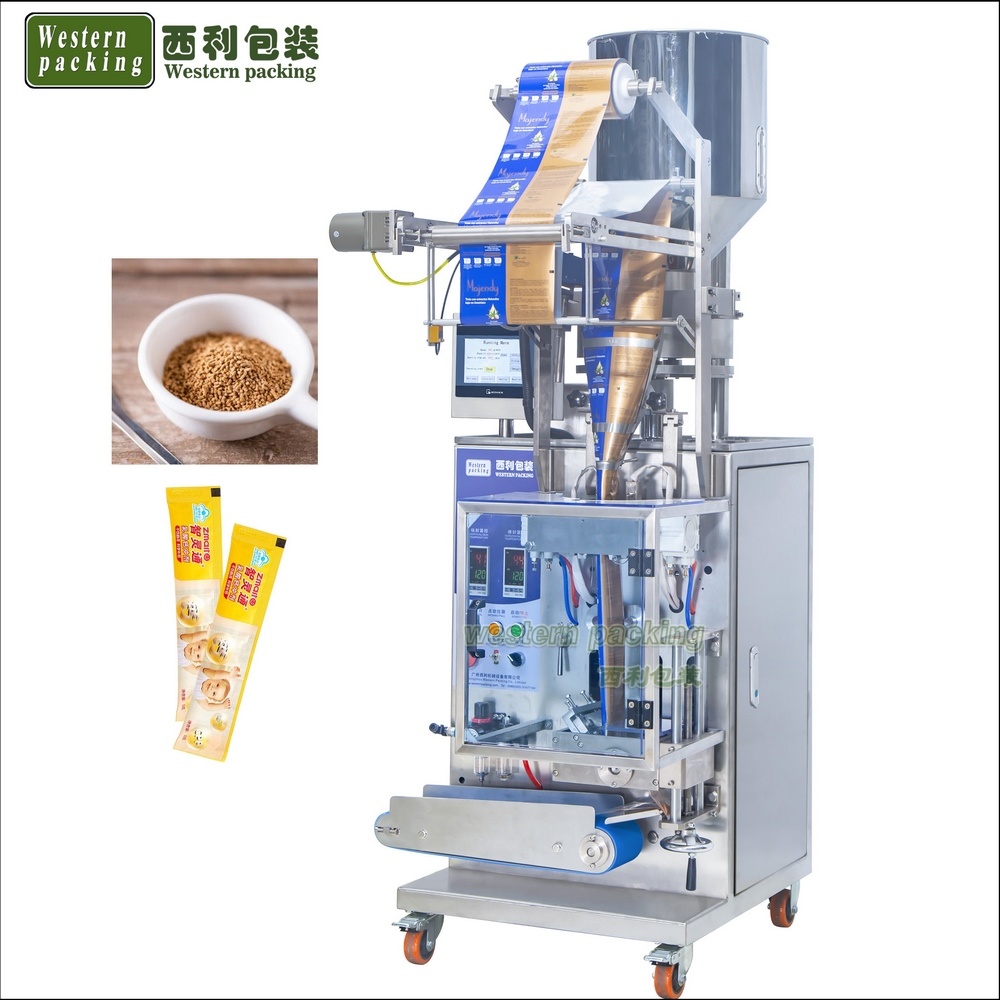
The integration of automation in milk packing machines enhances efficiency and reduces labor costs. Automated systems can handle various tasks, from filling and sealing to labeling and quality control. This innovation not only speeds up production but also minimizes human error, leading to higher quality standards.
4. Importance of Efficient Milk Packaging
Efficient milk packaging plays a vital role in maintaining product quality and safety. Proper packaging minimizes contamination risks and extends shelf life, which is crucial for consumer health. Additionally, effective packaging solutions can help reduce food waste, a significant issue within the dairy industry.
5. Challenges Facing the Milk Packaging Industry
Despite the advancements, the milk packaging industry faces several challenges. These include:
1. **Cost of innovation**: Implementing new technologies can be expensive for manufacturers, particularly small dairy businesses.
2. **Consumer education**: As new packaging materials and technologies emerge, educating consumers about their benefits and proper disposal methods is essential.
3. **Regulatory compliance**: Packaging materials must adhere to strict food safety regulations, adding complexity to the innovation process.
6. Future Trends in Milk Packaging Technology
The future of milk packaging will likely see increased use of **smart technology**, greater emphasis on sustainability, and further automation. Emerging trends may include:
- **Internet of Things (IoT)**: IoT-enabled packaging can provide consumers with real-time information about the milk's quality.
- **Personalization**: Custom packaging that caters to specific dietary needs or preferences may become more common.
- **Blockchain technology**: This can enhance traceability, allowing consumers to track the journey of their milk from farm to table.
7. Case Studies: Successful Innovations in the Field
Several companies have already begun reaping the benefits of innovative milk packaging:
- **Dairy Farmers of America**: They implemented automated packaging lines that enhance efficiency and reduce waste.
- **Lactalis Group**: This company has shifted to using plant-based materials in its packaging, successfully addressing consumer demands for sustainability.
8. Frequently Asked Questions (FAQs)
**Q1: What are the latest innovations in milk packaging?**
A1: Innovations include smart packaging technologies, sustainable materials, enhanced shelf life solutions, and automation in packing machines.
**Q2: How do smart packaging technologies work?**
A2: Smart packaging uses sensors to monitor product freshness, providing real-time data on quality and safety.
**Q3: What sustainable materials are used in milk packaging?**
A3: Common materials include biodegradable plastics, compostable films, and recycled cardboard.
**Q4: Why is extended shelf life important for milk?**
A4: Extended shelf life reduces food waste and ensures that consumers receive fresher products.
**Q5: What challenges does the milk packaging industry face?**
A5: Challenges include the high cost of innovation, consumer education, and regulatory compliance.
9. Conclusion
The future of milk packaging is bright, with ongoing innovations that promise to enhance product quality, sustainability, and consumer convenience. As the dairy industry embraces these advancements, we expect to see a shift towards smarter, more efficient packing solutions that not only meet consumer demands but also contribute to a more sustainable future. Embracing these changes will be crucial for dairy producers looking to thrive in an increasingly competitive market.
packing machine milk

Innovations in Granule Packing Technology You Should Know
Innovations in Granule Packing Technology: A Comprehensive Guide Table of Contents Understanding Granule Packing Technology Importance of Granule Packing in Manufacturing Key Innovations in Granule Packing Technology The Role of Automation in Granule Packing Sustainable Packaging Solutions for Granules Advanced Sensors and Monitoring Systems Case Studies and Industry Examples Futu
2026-08-28
Maximize Efficiency with Advanced Tea Bag Packing Machines
In the realm of packaging machinery, tea bag packing machines represent a vital innovation for manufacturers in the tea industry. These specialized machines are designed to automate the tea bag production process, significantly increasing efficiency while maintaining the quality of the product. With the growing demand for convenient tea options, understanding the functionality and advantages of te
2026-08-27
How Food Packaging Machines Enhance Product Safety and Compliance
How Food Packaging Machines Enhance Product Safety and Compliance Table of Contents 1. Introduction to Food Packaging Machines 2. The Importance of Food Safety in Packaging 3. Types of Food Packaging Machines 4. Advanced Technologies in Food Packaging 5. Regulatory Compliance in Food Packaging 6. The Impact of Food Packaging on Product Safety 7. Best Practices for Food
2026-08-26


Head office :
112 ROBINSON ROAD #03-01 ROBINSON 112 ,SINGAPORE
HONGKONG BRANCH :
12/F ZJ 300 300 LOCKHART ROAD WAN
CHAI HK
GUANGZHOU BRANCH:
3th, Yilongjie Wulonggang, Zhongluotan, Baiyun district, Guangzhou,China
Subscribe to our newsletter and get professional packaging solution


SAF Coolest v1.3.1.2 设置面板 UFQSX-ANRV-PSSVE-XVF
无数据提示
Sorry, the current column is being updated, please look forward to it!