

Case Studies: Successful Implementation of Paste Packing Machines in Various Industries
Date:
2025-07-13
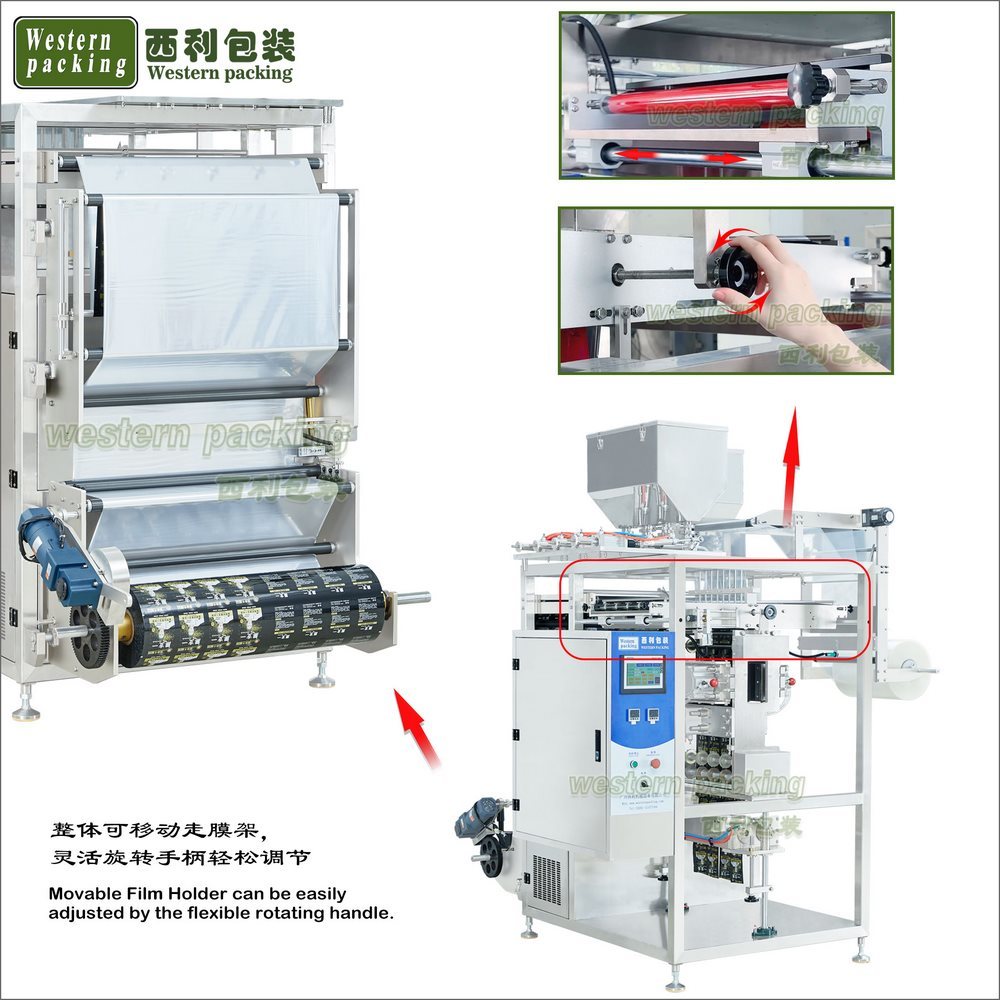
Case Studies: Successful Implementation of Paste Packing Machines in Various Industries
Table of Contents
- 1. Introduction to Paste Packing Machines
- 2. Importance of Paste Packing Machines in Manufacturing
- 3. Case Study 1: Food Industry Transformation
- 4. Case Study 2: Cosmetics Sector Efficiency
- 5. Case Study 3: Pharmaceutical Innovations
- 6. Benefits of Implementing Paste Packing Machines
- 7. Challenges Faced and Overcome
- 8. The Future of Paste Packing Technology
- 9. Frequently Asked Questions (FAQ)
- 10. Conclusion
1. Introduction to Paste Packing Machines
In the rapidly evolving world of manufacturing, paste packing machines have emerged as a pivotal technology for various industries. These machines are designed specifically to handle viscous products, ensuring efficient and precise packing. By automating the filling process, paste packing machines not only enhance productivity but also minimize waste, leading to significant operational cost savings.
The versatility of paste packing machines makes them suitable for a wide range of applications, from food products to pharmaceuticals. As we delve into the case studies below, you will discover how these machines have been successfully implemented, transforming operations and driving innovation across sectors.
2. Importance of Paste Packing Machines in Manufacturing
The importance of paste packing machines cannot be overstated. They offer several advantages that contribute to the overall efficiency and effectiveness of manufacturing processes:
2.1 Automation of the Packing Process
Automating the packing process reduces labor costs and human errors. With precise filling mechanisms, paste packing machines ensure that each package contains the exact amount of product, thereby maintaining consistency and quality.
2.2 Enhanced Product Quality
By utilizing advanced technology, these machines minimize contamination risks and ensure that the products are packed in a hygienic environment. This is especially critical in industries such as food and pharmaceuticals, where product integrity is paramount.
2.3 Increased Production Speed
Paste packing machines can operate at high speeds, significantly increasing production rates. This allows manufacturers to meet growing demand without compromising on quality.
3. Case Study 1: Food Industry Transformation
In the food industry, a leading sauce manufacturer faced challenges related to manual packing processes that were prone to errors and inefficiencies. By implementing a state-of-the-art paste packing machine, the company experienced transformative results:
3.1 Implementation Details
The new machine was integrated into the existing production line, allowing for seamless operation. Workers were trained on the new system to ensure a quick adaptation period.
3.2 Results Achieved
- **Increased Efficiency**: Production speed increased by 40%.
- **Cost Savings**: Labor costs reduced by 25% due to decreased manual handling.
- **Improved Quality Control**: The precision of filling led to a 15% reduction in product wastage.
This case study illustrates the substantial benefits that paste packing machines can bring to the food industry, enhancing both productivity and profitability.
4. Case Study 2: Cosmetics Sector Efficiency
A prominent cosmetics company struggling with inconsistent filling processes turned to paste packing machines to streamline its production. The results were remarkable:
4.1 Implementation Details
The company chose a machine designed specifically for viscous creams and lotions, ensuring compatibility with their product line.
4.2 Results Achieved
- **Quality Improvement**: Customer complaints regarding underfilled products decreased by 70%.
- **Faster Time-to-Market**: The new system enabled the company to launch new products 30% faster.
- **Higher Customer Satisfaction**: Consistent product quality led to improved customer trust and brand loyalty.
The successful implementation of paste packing machines allowed the cosmetics company to enhance their operational effectiveness and improve customer satisfaction markedly.
5. Case Study 3: Pharmaceutical Innovations
In the pharmaceutical industry, a leading manufacturer of ointments and gels adopted paste packing machines to tackle regulatory compliance and efficiency challenges.
5.1 Implementation Details
The paste packing machine was equipped with advanced technology to ensure compliance with stringent health regulations. Rigorous validation processes were conducted to confirm the machine met all required standards.
5.2 Results Achieved
- **Regulatory Compliance**: The machine's automated processes ensured adherence to health and safety regulations.
- **Operational Efficiency**: The company reported a 50% reduction in packing time.
- **Cost Reduction**: Improved accuracy led to decreased raw material costs by 20%.
This case study highlights how paste packing machines can not only improve efficiency but also ensure compliance in highly regulated industries.
6. Benefits of Implementing Paste Packing Machines
The case studies presented above showcase numerous benefits associated with paste packing machines. Let’s summarize the key advantages:
6.1 Consistency in Product Quality
Automation ensures that each product is filled to the same specifications, reducing variability and enhancing quality.
6.2 Operational Flexibility
Modern paste packing machines are designed to handle various products, allowing manufacturers to diversify their offerings without significant additional investment.
6.3 Sustainability
By reducing waste and improving efficiency, paste packing machines contribute to more sustainable production practices.
7. Challenges Faced and Overcome
While the implementation of paste packing machines offers numerous benefits, several challenges can arise during the process:
7.1 Initial Investment Costs
The upfront investment for paste packing machines can be substantial. However, companies that recognize the long-term savings often find the cost justified.
7.2 Training and Adaptation
Employees may initially resist new technology. Comprehensive training programs can ease this transition, ensuring that staff are equipped to maximize the benefits of the new machines.
8. The Future of Paste Packing Technology
As technology advances, the future of paste packing machines looks promising. Innovations such as:
8.1 Smart Technology Integration
The incorporation of Internet of Things (IoT) technology will allow for real-time monitoring and predictive maintenance, minimizing downtime.
8.2 Enhanced Customization
Future machines are likely to offer greater customization options, catering to a wider range of products and packaging needs.
9. Frequently Asked Questions (FAQ)
9.1 What is a paste packing machine?
A paste packing machine is a specialized equipment designed to fill viscous products into containers with precision and efficiency.
9.2 How does a paste packing machine improve productivity?
By automating the filling process, paste packing machines reduce manual labor, minimize errors, and increase production speeds.
9.3 What industries benefit from paste packing machines?
Industries such as food, cosmetics, and pharmaceuticals benefit greatly from paste packing machines due to their ability to handle viscous products.
9.4 What are the common challenges in implementing paste packing machines?
Common challenges include initial investment costs, the need for employee training, and adapting existing production lines.
9.5 How do paste packing machines ensure product quality?
These machines provide consistent filling, reducing variability and ensuring that each package meets quality standards.
10. Conclusion
The successful implementation of paste packing machines has had a transformative effect across various industries, from food and cosmetics to pharmaceuticals. By automating the packing process, these machines enhance efficiency, reduce costs, and improve product quality. The case studies presented illustrate not only the tangible benefits but also the strategic advantages companies can gain by embracing this technology.
As industries continue to evolve, the adoption of paste packing machines will play a critical role in driving innovation and operational excellence. For manufacturers looking to remain competitive, investing in this technology is not just an opportunity—it's a necessity for future success.
paste packing machine

Innovations in Granule Packing Technology You Should Know
Innovations in Granule Packing Technology: A Comprehensive Guide Table of Contents Understanding Granule Packing Technology Importance of Granule Packing in Manufacturing Key Innovations in Granule Packing Technology The Role of Automation in Granule Packing Sustainable Packaging Solutions for Granules Advanced Sensors and Monitoring Systems Case Studies and Industry Examples Futu
2026-08-28
Maximize Efficiency with Advanced Tea Bag Packing Machines
In the realm of packaging machinery, tea bag packing machines represent a vital innovation for manufacturers in the tea industry. These specialized machines are designed to automate the tea bag production process, significantly increasing efficiency while maintaining the quality of the product. With the growing demand for convenient tea options, understanding the functionality and advantages of te
2026-08-27
How Food Packaging Machines Enhance Product Safety and Compliance
How Food Packaging Machines Enhance Product Safety and Compliance Table of Contents 1. Introduction to Food Packaging Machines 2. The Importance of Food Safety in Packaging 3. Types of Food Packaging Machines 4. Advanced Technologies in Food Packaging 5. Regulatory Compliance in Food Packaging 6. The Impact of Food Packaging on Product Safety 7. Best Practices for Food
2026-08-26


Head office :
112 ROBINSON ROAD #03-01 ROBINSON 112 ,SINGAPORE
HONGKONG BRANCH :
12/F ZJ 300 300 LOCKHART ROAD WAN
CHAI HK
GUANGZHOU BRANCH:
3th, Yilongjie Wulonggang, Zhongluotan, Baiyun district, Guangzhou,China
Subscribe to our newsletter and get professional packaging solution


SAF Coolest v1.3.1.2 设置面板 UFQSX-ANRV-PSSVE-XVF
无数据提示
Sorry, the current column is being updated, please look forward to it!