

Troubleshooting Common Issues with Milk Packing Machines: A Comprehensive Guide
Date:
2025-05-10
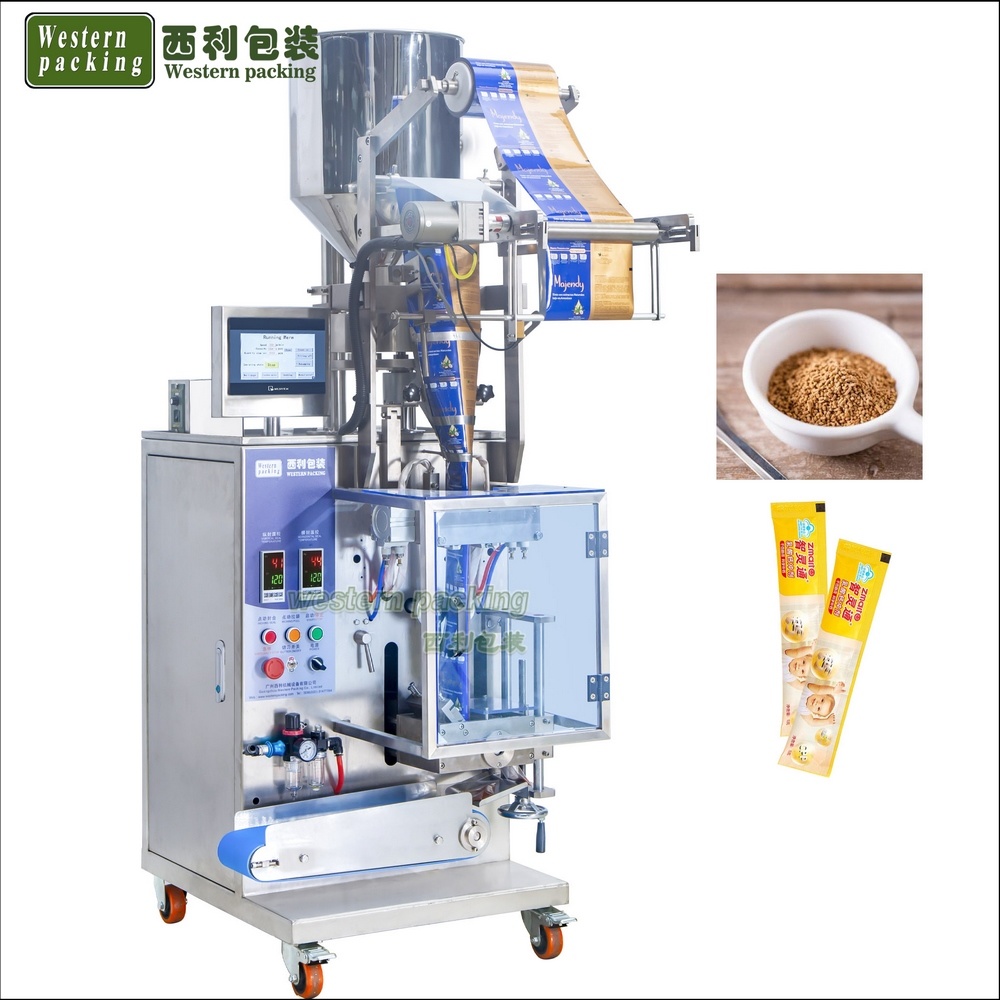
Troubleshooting Common Issues with Milk Packing Machines: A Comprehensive Guide
In the dairy industry, milk packing machines are essential for maintaining product quality and ensuring efficient packaging processes. However, these machines can encounter various operational issues that can impact productivity and product integrity. In this comprehensive guide, we will delve into the common problems faced by milk packing machines, identify their causes, and offer practical troubleshooting solutions.
Table of Contents
- Understanding Milk Packing Machines
- Common Issues in Milk Packing Machines
- Troubleshooting Techniques for Milk Packing Machines
- Preventive Maintenance Strategies
- The Role of Operator Training
- When to Call a Professional
- Case Studies: Real-world Solutions
- Conclusion
Understanding Milk Packing Machines
Milk packing machines are designed to package milk efficiently, ensuring that it remains fresh and safe for consumption. These machines utilize a range of technologies, including automated filling systems, sealing mechanisms, and labeling systems, to streamline the packing process. Understanding the components and functions of these machines is crucial for identifying common issues and implementing effective troubleshooting strategies.
Components of Milk Packing Machines
Milk packing machines typically comprise several key components:
- **Filling System**: This component measures and dispenses the precise volume of milk into containers.
- **Sealing Mechanism**: Seals the containers to maintain freshness and prevent contamination.
- **Conveyor System**: Moves the containers through various stages of the packing process.
- **Control Panel**: Allows operators to monitor and adjust machine settings.
- **Labeling System**: Applies labels to the packed containers for branding and information.
Understanding these components aids in diagnosing issues that may arise during operation.
Common Issues in Milk Packing Machines
Despite their efficiency, milk packing machines are prone to several common issues. Recognizing these problems early can prevent extended downtime and costly repairs.
1. Inconsistent Filling Levels
One of the most frequent issues faced by milk packing machines is inconsistent filling levels. This can lead to customer complaints and regulatory issues.
Causes
- Calibration errors in the filling system.
- Air bubbles in the milk affecting measurement.
- Clogged or worn-out filling nozzles.
Solutions
- Regularly calibrate the filling system according to manufacturer specifications.
- Inspect and clean filling nozzles to ensure unobstructed milk flow.
- Perform testing with water to adjust the filling levels before using actual product.
2. Sealing Problems
Seal integrity is critical for maintaining product quality. Issues with sealing can result in leaks or contamination.
Causes
- Worn sealing materials.
- Incorrect temperature settings.
- Misalignment of the sealing mechanism.
Solutions
- Replace worn seals and gaskets regularly.
- Check and adjust temperature settings based on the type of packaging material.
- Ensure proper alignment of all sealing components before operation.
3. Container Jams
Container jams can halt the entire packing process, leading to significant downtime.
Causes
- Misaligned conveyor belts.
- Improper container sizes.
- Build-up of debris in the conveyor system.
Solutions
- Regularly inspect and adjust conveyors to ensure proper alignment.
- Use containers that fit the specifications of the machine.
- Conduct routine cleaning of conveyor systems to prevent debris accumulation.
4. Labeling Errors
Incorrect labels can lead to regulatory fines and damage to brand reputation.
Causes
- Misconfigured labeling machinery.
- Incorrect label types or sizes.
- Low ink levels in printing systems.
Solutions
- Double-check label configurations before starting production.
- Use the correct label size and type for the packaging format.
- Regularly monitor ink levels and replace cartridges as necessary.
5. Electrical Failures
Electrical issues can cause machines to malfunction or shut down unexpectedly.
Causes
- Overloaded electrical circuits.
- Faulty wiring or connections.
- Power surges.
Solutions
- Ensure that electrical circuits are not overloaded and are properly rated for the machines.
- Perform regular inspections of wiring and connections.
- Invest in power surge protection devices.
Troubleshooting Techniques for Milk Packing Machines
Effectively troubleshooting common issues with milk packing machines requires systematic approaches and techniques. Here are some strategies to help you identify and resolve problems quickly.
1. Conduct a Routine Inspection
Regular inspections can help identify potential issues before they escalate. Check all mechanical and electrical components for wear and functionality.
2. Utilize Diagnostic Tools
Many modern milk packing machines come equipped with diagnostic tools that can pinpoint issues quickly. Use these tools to assess and monitor machine performance.
3. Maintain Comprehensive Records
Keeping detailed records of maintenance activities, repairs, and operational issues can help identify patterns over time, aiding in troubleshooting efforts.
4. Engage with Manufacturer Support
When facing complex issues, don’t hesitate to reach out to the machine manufacturer’s technical support for additional guidance and resources.
Preventive Maintenance Strategies
Implementing preventive maintenance strategies can significantly reduce the likelihood of issues arising in milk packing machines. Here are some effective practices:
1. Develop a Maintenance Schedule
Create a detailed maintenance schedule that outlines regular checks for all machine components, including cleaning, lubrication, and calibration.
2. Train Employees on Proper Operation
Educate employees on the correct operation of milk packing machines to minimize operator-induced errors.
3. Conduct Regular Training Sessions
Hold training sessions periodically to keep staff updated on best practices and new technologies relevant to milk packing operations.
The Role of Operator Training
Operator training is crucial for the efficient functioning of milk packing machines. Well-trained operators can recognize issues quickly and implement solutions effectively. Here’s how to enhance operator training:
1. Provide Comprehensive Training Programs
Implement training programs that cover all operational aspects of milk packing machines, including troubleshooting and maintenance.
2. Use Simulation Technology
Incorporate simulation-based training to prepare operators for real-world scenarios without risking machine downtime.
3. Encourage Continuous Learning
Promote a culture of continuous learning, encouraging operators to stay informed about new technologies and industry standards.
When to Call a Professional
While many issues can be resolved in-house, some situations require the expertise of a professional technician.
1. Complex Electrical Issues
If electrical problems arise that cannot be diagnosed with routine checks, it’s wise to consult a technician.
2. Persistent Mechanical Failures
For ongoing mechanical issues that remain unresolved despite troubleshooting, professional assistance may be necessary.
3. Upgrades and Installations
When implementing upgrades or new installations, hiring a professional can ensure compliance with safety standards and optimal functionality.
Case Studies: Real-world Solutions
To further illustrate effective troubleshooting techniques, consider these case studies from the dairy industry:
1. Case Study: Inconsistent Filling Levels
A dairy plant faced complaints due to inconsistent filling levels across batches. By recalibrating the filling system and cleaning the nozzles, the plant reduced errors by 90% within a month.
2. Case Study: Sealing Problems
Another facility experienced frequent sealing failures, leading to product spoilage. They implemented a preventive maintenance schedule focused on seal replacements and temperature checks, eliminating the issue.
3. Case Study: Electrical Failures
A dairy producer called in a technician after repeated electrical failures. The technician identified wiring issues that were not visible during routine checks, leading to a complete overhaul and more reliable operations.
Conclusion
Troubleshooting common issues with milk packing machines is essential for maintaining productivity and product quality in the dairy industry. By understanding the components, recognizing common problems, and implementing effective troubleshooting techniques and preventive maintenance strategies, operators can minimize downtime and enhance operational efficiency. Investing in operator training and seeking professional assistance when necessary can further elevate the performance of milk packing machines, ensuring they meet both industry standards and consumer expectations.
packing machine milk

Innovations in Granule Packing Technology You Should Know
Innovations in Granule Packing Technology: A Comprehensive Guide Table of Contents Understanding Granule Packing Technology Importance of Granule Packing in Manufacturing Key Innovations in Granule Packing Technology The Role of Automation in Granule Packing Sustainable Packaging Solutions for Granules Advanced Sensors and Monitoring Systems Case Studies and Industry Examples Futu
2026-08-28
Maximize Efficiency with Advanced Tea Bag Packing Machines
In the realm of packaging machinery, tea bag packing machines represent a vital innovation for manufacturers in the tea industry. These specialized machines are designed to automate the tea bag production process, significantly increasing efficiency while maintaining the quality of the product. With the growing demand for convenient tea options, understanding the functionality and advantages of te
2026-08-27
How Food Packaging Machines Enhance Product Safety and Compliance
How Food Packaging Machines Enhance Product Safety and Compliance Table of Contents 1. Introduction to Food Packaging Machines 2. The Importance of Food Safety in Packaging 3. Types of Food Packaging Machines 4. Advanced Technologies in Food Packaging 5. Regulatory Compliance in Food Packaging 6. The Impact of Food Packaging on Product Safety 7. Best Practices for Food
2026-08-26


Head office :
112 ROBINSON ROAD #03-01 ROBINSON 112 ,SINGAPORE
HONGKONG BRANCH :
12/F ZJ 300 300 LOCKHART ROAD WAN
CHAI HK
GUANGZHOU BRANCH:
3th, Yilongjie Wulonggang, Zhongluotan, Baiyun district, Guangzhou,China
Subscribe to our newsletter and get professional packaging solution


SAF Coolest v1.3.1.2 设置面板 UFQSX-ANRV-PSSVE-XVF
无数据提示
Sorry, the current column is being updated, please look forward to it!