

How Packing Machines are Transforming the Milk Supply Chain
Date:
2025-04-20
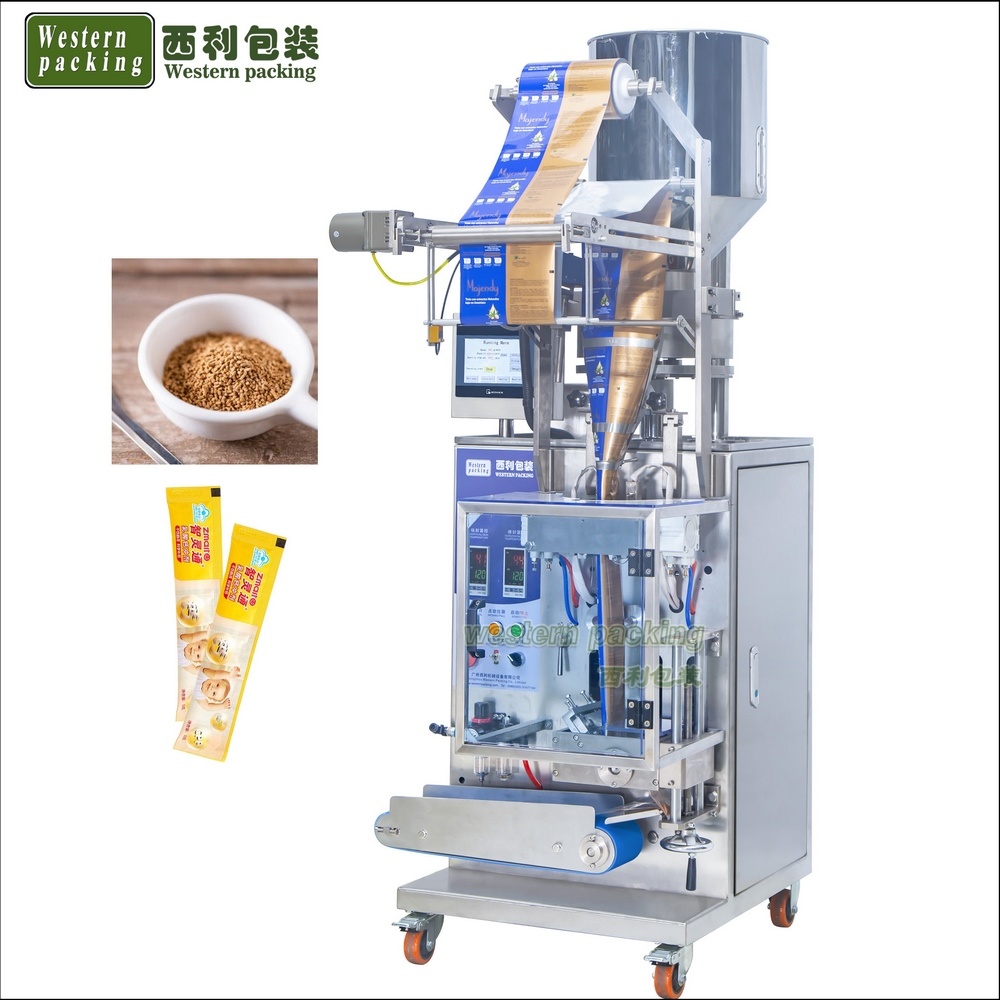
How Packing Machines are Transforming the Milk Supply Chain
Introduction to the Milk Supply Chain
The milk supply chain is a complex network involving various stages, from production to consumption. At the heart of this system lies the necessity for effective packaging strategies. In recent years, **packing machines** have emerged as pivotal components in revolutionizing the way milk products are handled, preserved, and delivered to consumers. As we delve deeper into this transformation, we will uncover the technological advancements, benefits, and future potential of packing machines in the dairy industry.
The Role of Packing Machines in Dairy Processing
Packing machines serve crucial functions in dairy processing, particularly in the packaging of milk products. They automate various tasks, improving efficiency and ensuring quality control throughout the supply chain. Here are several key roles these machines play:
1. Automation and Efficiency
Modern packing machines significantly reduce the need for manual labor, leading to faster production cycles. With automated processes, dairy producers can efficiently package larger volumes of milk, which directly impacts their bottom line. For instance, fully automated lines can handle thousands of bottles per hour, optimizing throughput and minimizing downtime.
2. Preservation of Product Quality
The integrity of milk and dairy products hinges on proper packaging. Packing machines equipped with advanced technology ensure that packaging is tightly sealed, reducing the risk of contamination. This is particularly vital in maintaining the freshness and nutritional value of milk, which can degrade when exposed to air or light.
3. Variety of Packaging Options
Consumers today seek convenience and variety. Packing machines enable dairy manufacturers to offer a range of packaging options, from single-serve cartons to large bulk containers. This versatility caters to diverse consumer needs and preferences, enhancing market competitiveness.
Technological Innovations in Packing Machinery
Technological advancements have propelled packing machines to new heights, integrating features that enhance functionality and reliability. Let’s explore some of these innovations:
1. Smart Packaging Solutions
The introduction of smart packaging technology allows for real-time monitoring of milk quality during transit. Sensors integrated into packaging can track temperature and pH levels, providing valuable data to producers and retailers. This capability ensures that any deviation from optimal conditions can be addressed promptly, preserving the quality of the product.
2. Eco-Friendly Packing Materials
Sustainability is a growing concern in the dairy industry. Packing machines are now capable of utilizing biodegradable and recyclable materials, minimizing environmental impact. This shift not only aligns with consumer preferences but also helps companies comply with tightening regulations regarding waste.
3. Enhanced Safety Features
Safety is paramount in food processing. Modern packing machines come equipped with features such as metal detectors and checkweighers to prevent defective products from reaching consumers. These safety measures are critical in maintaining consumer trust and adhering to health regulations.
Benefits of Using Packing Machines in the Milk Supply Chain
The integration of packing machines into the milk supply chain offers numerous advantages, transforming how dairy products are handled and delivered.
1. Cost Reduction
Automating the packing process reduces labor costs and minimizes errors associated with manual packaging. This efficiency translates into significant cost savings for dairy producers, allowing them to allocate resources more effectively.
2. Improved Shelf Life
Properly packaged milk products have extended shelf lives, which is crucial for reducing waste. Packing machines designed for vacuum sealing or modified atmosphere packaging can effectively slow down spoilage, ensuring that milk stays fresh longer.
3. Enhanced Traceability
With the rise of consumer demand for transparency, packing machines that incorporate barcodes and QR codes facilitate traceability throughout the supply chain. This technology allows consumers to track the origins of their milk, enhancing trust and accountability.
Challenges in the Adoption of Packing Machines
While the benefits are substantial, the adoption of packing machines is not without challenges. The following are key considerations for dairy manufacturers:
1. Initial Investment Costs
The upfront costs associated with purchasing and installing advanced packing machinery can be significant. For smaller dairy operations, this can pose a financial barrier that may hinder their ability to compete with larger players in the industry.
2. Maintenance and Technical Expertise
Maintaining state-of-the-art packing machines requires specialized knowledge. This need for technical expertise can lead to increased operational costs if staff training is not adequately addressed.
3. Integration with Existing Systems
Integrating new packing machines with existing production lines can be complex. Dairy producers must ensure compatibility between various systems to maximize efficiency and avoid disruptions in their supply chains.
Case Studies of Successful Packing Machine Implementation
Examining real-world examples can provide insight into the effective use of packing machines in the milk supply chain. Here are a few notable instances:
1. Leading Dairy Producer X
Dairy Producer X implemented a high-speed packing machine that dramatically increased their output, reducing packaging time by 40%. This change not only met rising consumer demand but also resulted in significant cost savings.
2. Innovative Small-Scale Dairy Farm Y
Small-Scale Dairy Farm Y invested in eco-friendly packing technology, allowing them to enter niche markets focused on sustainability. By using biodegradable materials, they attracted environmentally conscious consumers and established a loyal customer base.
3. Dairy Cooperative Z
Dairy Cooperative Z adopted smart packing machines that enabled them to monitor product quality during distribution. This proactive approach reduced spoilage rates by 20%, providing both financial benefits and enhanced customer satisfaction.
Future Trends in Packing Machines and the Milk Supply Chain
As technology continues to evolve, packing machines are expected to become even more advanced. Here are some anticipated trends:
1. Increased Automation and AI Integration
The use of artificial intelligence in packing machinery will further enhance efficiency. AI can optimize packaging processes based on real-time data, allowing for adaptive adjustments to production speeds and packaging types.
2. Focus on Sustainability
A continued push towards sustainability will drive innovations in packing materials and processes. The dairy industry will likely see more emphasis on reducing plastic use and developing compostable packaging solutions.
3. Enhanced Consumer Engagement
Future packing machines may incorporate features aimed at engaging consumers. Interactive packaging, which communicates information about the product and its origins, will likely gain traction as consumers seek more connection to the products they purchase.
FAQs About Packing Machines in the Milk Supply Chain
1. What types of packing machines are commonly used for milk products?
Common types include filling machines, labeling machines, and sealing machines, each designed for specific functions in the packaging process.
2. How do packing machines contribute to reducing food waste?
By ensuring airtight seals and optimal packaging conditions, packing machines help maintain freshness, thus prolonging shelf life and reducing spoilage.
3. Are there any regulations regarding packing materials for milk?
Yes, there are stringent regulations regarding food safety and packaging materials to ensure that they are safe for food contact and do not contaminate the product.
4. Can small dairy farms afford modern packing machines?
While initial costs can be high, many small farms can find affordable solutions tailored to their needs, including leasing options and grants for sustainable practices.
5. What is the impact of smart packaging on consumer behavior?
Smart packaging can enhance consumer trust by providing transparent information about product quality and traceability, which may influence purchasing decisions positively.
Conclusion
The integration of packing machines into the milk supply chain has profoundly transformed the dairy industry. Through automation, improved product preservation, and a focus on sustainability, these machines enhance efficiency while catering to evolving consumer demands. As technology continues to advance, we can anticipate even more innovative solutions that will redefine how dairy products are packaged and distributed. Embracing these changes will be essential for dairy producers aiming to remain competitive in an increasingly dynamic market.
packing machine milk

Innovations in Granule Packing Technology You Should Know
Innovations in Granule Packing Technology: A Comprehensive Guide Table of Contents Understanding Granule Packing Technology Importance of Granule Packing in Manufacturing Key Innovations in Granule Packing Technology The Role of Automation in Granule Packing Sustainable Packaging Solutions for Granules Advanced Sensors and Monitoring Systems Case Studies and Industry Examples Futu
2026-08-28
Maximize Efficiency with Advanced Tea Bag Packing Machines
In the realm of packaging machinery, tea bag packing machines represent a vital innovation for manufacturers in the tea industry. These specialized machines are designed to automate the tea bag production process, significantly increasing efficiency while maintaining the quality of the product. With the growing demand for convenient tea options, understanding the functionality and advantages of te
2026-08-27
How Food Packaging Machines Enhance Product Safety and Compliance
How Food Packaging Machines Enhance Product Safety and Compliance Table of Contents 1. Introduction to Food Packaging Machines 2. The Importance of Food Safety in Packaging 3. Types of Food Packaging Machines 4. Advanced Technologies in Food Packaging 5. Regulatory Compliance in Food Packaging 6. The Impact of Food Packaging on Product Safety 7. Best Practices for Food
2026-08-26


Head office :
112 ROBINSON ROAD #03-01 ROBINSON 112 ,SINGAPORE
HONGKONG BRANCH :
12/F ZJ 300 300 LOCKHART ROAD WAN
CHAI HK
GUANGZHOU BRANCH:
3th, Yilongjie Wulonggang, Zhongluotan, Baiyun district, Guangzhou,China
Subscribe to our newsletter and get professional packaging solution


SAF Coolest v1.3.1.2 设置面板 UFQSX-ANRV-PSSVE-XVF
无数据提示
Sorry, the current column is being updated, please look forward to it!