

How to Effectively Train Your Team on Using a Paste Packing Machine
Date:
2025-04-04
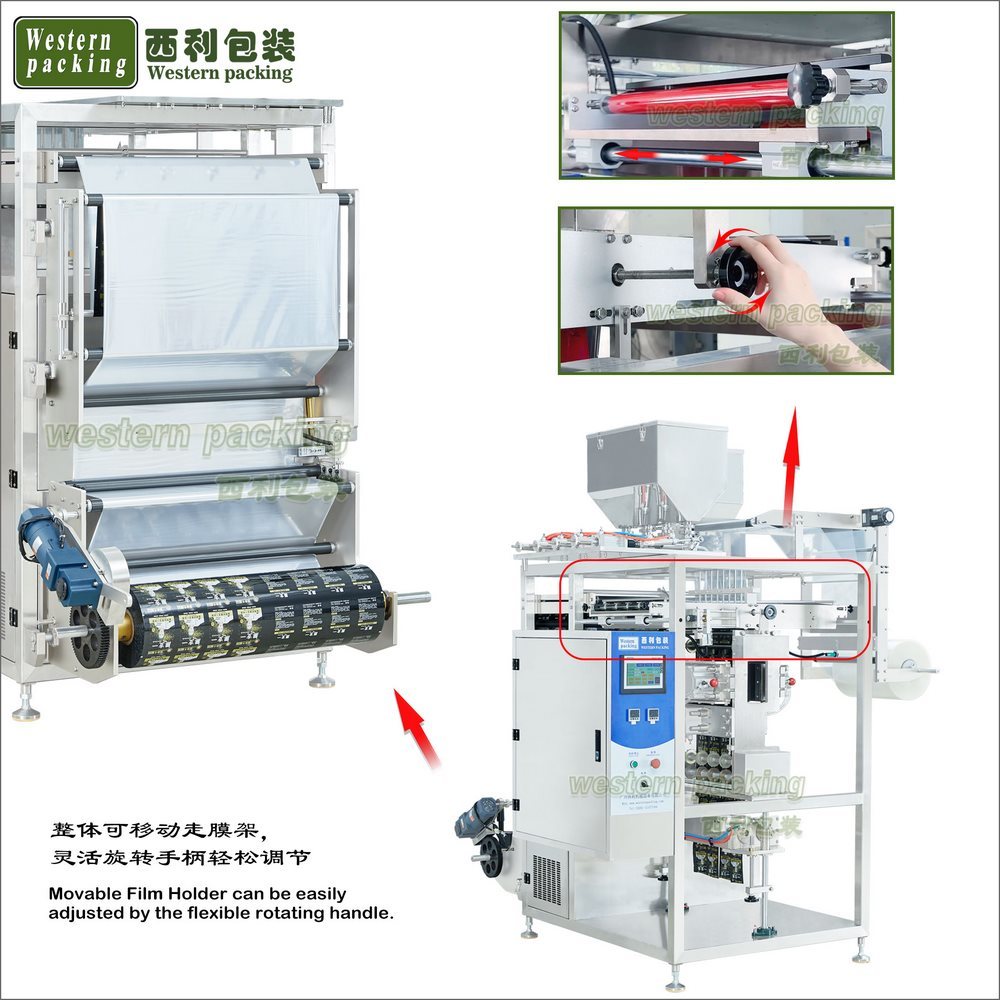
How to Effectively Train Your Team on Using a Paste Packing Machine
Table of Contents
- Understanding Paste Packing Machines
- The Importance of Training Your Team
- Developing a Comprehensive Training Plan
- Safety Protocols and Best Practices
- Hands-On Training and Demonstrations
- Troubleshooting Common Issues with Paste Packing Machines
- Measuring the Effectiveness of Your Training
- Ongoing Training and Support
- Conclusion
- FAQs
Understanding Paste Packing Machines
Paste packing machines are integral to various manufacturing processes, allowing for the efficient packaging of viscous products. These machines automate the filling and sealing of containers with paste-like substances, such as food products, pharmaceuticals, and personal care items. Understanding the components and operation of these machines is crucial for effective training.
Key Components of a Paste Packing Machine
To train your team effectively, they must be familiar with the various components of a paste packing machine, including:
- Filling System: The mechanism responsible for dispensing the paste into containers.
- Sealing Unit: Ensures that the containers are properly sealed to prevent contamination.
- Control Panel: The interface for operators to monitor and adjust settings.
- Conveyor System: Moves products through the filling and sealing processes.
The Importance of Training Your Team
Training your team on using a paste packing machine is vital for several reasons:
- Efficiency: Properly trained employees work faster and make fewer mistakes, leading to increased productivity.
- Quality Control: Knowledgeable staff are more likely to identify issues that could compromise product quality.
- Safety: Training helps prevent accidents and injuries associated with machine operation.
- Employee Satisfaction: Investing in training fosters a sense of value and commitment among team members.
Developing a Comprehensive Training Plan
Creating a structured training plan is essential for ensuring that all team members understand how to operate the paste packing machine effectively. Here’s how to develop a training plan that meets your organization's needs:
Identify Training Objectives
Begin by outlining clear training objectives. What should your team be able to do upon completion of the training? Objectives might include:
- Understanding machine components and their functions.
- Correctly operating the paste packing machine.
- Identifying and troubleshooting common problems.
Choose Training Methods
Different team members may learn best through various methods. Consider a combination of the following:
- Classroom Instruction: Provide theoretical knowledge about the paste packing process.
- Hands-On Training: Allow team members to operate the machine under supervision.
- Visual Aids: Use videos and diagrams to illustrate complex concepts.
Safety Protocols and Best Practices
Safety should always be a priority when operating machinery. Ensure that your training includes comprehensive safety protocols, such as:
Personal Protective Equipment (PPE)
All operators should wear appropriate PPE, including:
- Gloves
- Safety goggles
- Protective clothing
Safe Operating Procedures
Outline safe operating procedures to minimize risks, including:
- Conducting regular equipment inspections.
- Understanding emergency shut-off mechanisms.
- Maintaining a clean and organized workspace.
Hands-On Training and Demonstrations
Hands-on training is crucial for mastering the operation of a paste packing machine. Here’s how to effectively implement this phase of your training:
Structured Demonstrations
Begin with structured demonstrations led by experienced operators. This allows trainees to observe best practices in action. Make sure to cover:
- Machine setup and calibration.
- Filling and sealing processes.
- Routine maintenance tasks.
Supervised Practice Sessions
After demonstrations, provide opportunities for supervised practice. Trainees should operate the machine while an experienced operator provides feedback and guidance. This hands-on experience solidifies learning and builds confidence.
Troubleshooting Common Issues with Paste Packing Machines
Training should empower your team to troubleshoot common issues independently. Some frequent problems include:
Paste Clogging
Paste clogging can impede production. Train your team to recognize signs of clogging and perform basic maintenance, such as:
- Regularly cleaning the filling nozzle.
- Adjusting paste viscosity as necessary.
Inconsistent Filling Levels
Inconsistent filling can lead to product waste and customer dissatisfaction. Educate your team on:
- Calibrating the machine for accurate filling.
- Monitoring the filling process for consistency.
Measuring the Effectiveness of Your Training
Evaluating the success of your training program is essential for continuous improvement. Consider the following methods:
Assessing Knowledge Retention
Implement quizzes or assessments at the end of the training to gauge knowledge retention. This can help identify areas that may need further emphasis.
Performance Metrics
Monitor key performance indicators (KPIs) such as:
- Production speed
- Error rates
- Quality assurance statistics
Ongoing Training and Support
Training shouldn't end after the initial sessions. Implement ongoing training to keep your team updated on the latest practices and technologies:
Regular Refresher Courses
Schedule periodic refresher courses to reinforce knowledge and skills. This is especially important as machinery and processes evolve.
Creating a Supportive Environment
Encourage open communication among team members. Create support channels for employees to ask questions and share experiences related to machine operation.
Conclusion
Training your team on using a paste packing machine is a vital investment in your manufacturing process. By developing a comprehensive training plan, prioritizing safety, and fostering an environment of continuous learning, you can enhance efficiency, safety, and employee satisfaction. A well-trained team not only maximizes productivity but also upholds the quality standards necessary for success in today’s competitive market. With these strategies in place, your team will be well-equipped to operate paste packing machines effectively, ensuring smooth operations for your organization.
FAQs
1. What are the key components of a paste packing machine?
The key components include the filling system, sealing unit, control panel, and conveyor system.
2. How can I ensure my team follows safety protocols?
Provide comprehensive training on safety protocols and ensure all employees are equipped with necessary personal protective equipment (PPE).
3. What should I include in hands-on training?
Include structured demonstrations, supervised practice sessions, and troubleshooting techniques during hands-on training.
4. How can I measure the effectiveness of the training?
Assess knowledge retention through quizzes and monitor performance metrics such as production speed and error rates.
5. Is ongoing training necessary?
Yes, ongoing training is essential to keep your team updated on best practices and new technologies, ensuring continuous improvement.
paste packing machine

Innovations in Granule Packing Technology You Should Know
Innovations in Granule Packing Technology: A Comprehensive Guide Table of Contents Understanding Granule Packing Technology Importance of Granule Packing in Manufacturing Key Innovations in Granule Packing Technology The Role of Automation in Granule Packing Sustainable Packaging Solutions for Granules Advanced Sensors and Monitoring Systems Case Studies and Industry Examples Futu
2026-08-28
Maximize Efficiency with Advanced Tea Bag Packing Machines
In the realm of packaging machinery, tea bag packing machines represent a vital innovation for manufacturers in the tea industry. These specialized machines are designed to automate the tea bag production process, significantly increasing efficiency while maintaining the quality of the product. With the growing demand for convenient tea options, understanding the functionality and advantages of te
2026-08-27
How Food Packaging Machines Enhance Product Safety and Compliance
How Food Packaging Machines Enhance Product Safety and Compliance Table of Contents 1. Introduction to Food Packaging Machines 2. The Importance of Food Safety in Packaging 3. Types of Food Packaging Machines 4. Advanced Technologies in Food Packaging 5. Regulatory Compliance in Food Packaging 6. The Impact of Food Packaging on Product Safety 7. Best Practices for Food
2026-08-26


Head office :
112 ROBINSON ROAD #03-01 ROBINSON 112 ,SINGAPORE
HONGKONG BRANCH :
12/F ZJ 300 300 LOCKHART ROAD WAN
CHAI HK
GUANGZHOU BRANCH:
3th, Yilongjie Wulonggang, Zhongluotan, Baiyun district, Guangzhou,China
Subscribe to our newsletter and get professional packaging solution


SAF Coolest v1.3.1.2 设置面板 UFQSX-ANRV-PSSVE-XVF
无数据提示
Sorry, the current column is being updated, please look forward to it!