

Investing in Quality: Essential Considerations When Choosing a Milk Packing Machine
Date:
2025-03-31
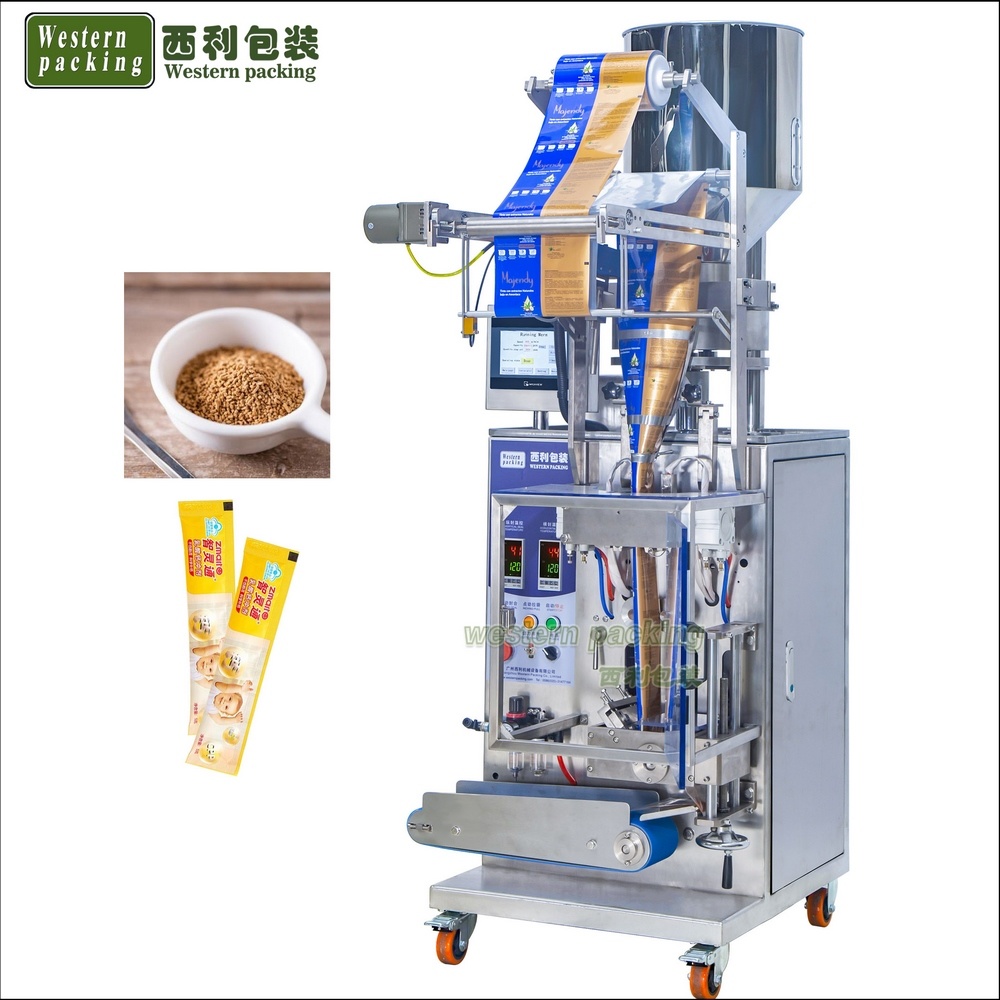
Investing in Quality: Essential Considerations When Choosing a Milk Packing Machine
When it comes to the dairy industry, the significance of a reliable milk packing machine cannot be understated. As a pivotal stage in the production process, the right equipment not only ensures product safety but also influences customer satisfaction and operational efficiency. In this article, we delve into the critical factors to consider when investing in quality milk packing machines, guiding you to make informed decisions that align with your business goals.
Table of Contents
- Understanding the Importance of a Quality Milk Packing Machine
- Key Features to Look For in Milk Packing Machines
- 1.1 Automation and Efficiency
- 1.2 Versatility in Packaging Options
- 1.3 Material Quality and Durability
- 1.4 Compliance with Food Safety Standards
- Types of Milk Packing Machines: Which One is Right For You?
- 2.1 Aseptic Packing Machines
- 2.2 Vacuum Packing Machines
- 2.3 Pouch and Bag Filling Machines
- The Role of Technology in Milk Packaging
- Cost Considerations for Quality Milk Packing Machines
- How to Evaluate Manufacturers and Suppliers
- FAQs About Milk Packing Machines
- Conclusion: Making the Right Investment in Milk Packing Machines
Understanding the Importance of a Quality Milk Packing Machine
In the fast-paced dairy industry, the quality of packaging plays a crucial role in maintaining the integrity of milk products. A **high-quality milk packing machine** not only enhances product shelf life but also ensures that the milk reaches consumers in optimal condition. The implications of investing in inferior packing equipment can lead to spoilage, contamination, and ultimately loss of revenue.
Key Features to Look For in Milk Packing Machines
1.1 Automation and Efficiency
With advancements in technology, **automation** has become a cornerstone in the manufacturing sector, including milk packing. An automatic milk packing machine can significantly increase productivity by minimizing human intervention and reducing the potential for errors. Look for machines with features like automatic bottle feeding, filling, and capping to streamline the process and enhance efficiency.
1.2 Versatility in Packaging Options
Different milk products, such as whole milk, skim milk, and flavored varieties, may require different packaging solutions. A versatile milk packing machine can cater to various packaging formats—like cartons, bottles, or pouches—allowing you to expand your product line without investing in multiple machines. This flexibility is crucial for adapting to market trends and consumer preferences.
1.3 Material Quality and Durability
Quality construction materials are essential to ensure the longevity and reliability of your milk packing machine. Machines made from **stainless steel** are preferred due to their resistance to rust and corrosion, which is vital for maintaining hygiene in food processing. Additionally, ensure that the components are designed to withstand the rigors of constant operation and are easy to maintain.
1.4 Compliance with Food Safety Standards
Adhering to food safety standards is non-negotiable in the dairy industry. Ensure that the milk packing machine you choose complies with local and international food safety regulations, such as those set by the FDA or ISO certifications. This compliance not only protects consumers but also enhances your brand reputation and trustworthiness.
Types of Milk Packing Machines: Which One is Right For You?
2.1 Aseptic Packing Machines
Aseptic packing machines are designed for packaging milk in a sterile environment, extending shelf life without refrigeration. This technology is especially beneficial for producers aiming to reach distant markets without compromising product quality. Understanding the specifications and capabilities of these machines is essential for making an informed investment.
2.2 Vacuum Packing Machines
Vacuum packing machines remove air from the packaging, significantly reducing the possibility of spoilage due to oxidation and microbial growth. This option is ideal for milk products intended for export or long-term storage. Evaluate the efficiency and speed of the vacuum sealing process to ensure it aligns with your production needs.
2.3 Pouch and Bag Filling Machines
Pouch and bag filling machines offer a flexible and cost-effective solution for packaging milk. These machines can handle various pouch sizes and styles, accommodating diverse product lines. Consider the speed and accuracy of filling to ensure that it meets your production targets.
The Role of Technology in Milk Packaging
Modern milk packing machines incorporate state-of-the-art technology, such as IoT connectivity and advanced control systems. These features allow for real-time monitoring and adjustments, ensuring optimal performance. Investing in technology not only enhances efficiency but also provides valuable data for quality control and process optimization.
Cost Considerations for Quality Milk Packing Machines
The initial investment in a milk packing machine can be substantial, but it is crucial to view this expenditure as a long-term investment in your business's success. Analyze the total cost of ownership, which encompasses not only the purchase price but also installation, maintenance, and operational costs. Selecting a machine that balances quality and affordability will yield the best return on investment.
How to Evaluate Manufacturers and Suppliers
Choosing a reputable manufacturer or supplier is fundamental to your investment decision. Look for companies with a proven track record in the industry, positive customer reviews, and comprehensive support services. Engage with potential suppliers to understand their customer service policies, warranty options, and availability of spare parts. This due diligence will provide peace of mind that you are investing in a dependable machine.
FAQs About Milk Packing Machines
What is the average lifespan of a milk packing machine?
The lifespan of a milk packing machine varies based on usage and maintenance, typically ranging from 5 to 15 years.
How often should I maintain my milk packing machine?
Regular maintenance should be performed at least quarterly, with daily checks for cleanliness and operational efficiency.
Can I upgrade my existing milk packing machine?
Many manufacturers offer upgrade options that enhance functionality and efficiency, allowing you to adapt to changing market demands.
What are the energy requirements for milk packing machines?
Energy requirements depend on the machine's specifications; consult the manufacturer's guidelines for detailed information.
Is operator training necessary for milk packing machines?
Yes, proper training is essential to ensure safe and efficient operation, minimizing the risk of errors and accidents.
Conclusion: Making the Right Investment in Milk Packing Machines
Investing in a high-quality milk packing machine is crucial for the success of your dairy operations. By considering factors such as automation, versatility, material quality, and compliance with safety standards, you can make informed decisions that will enhance your production efficiency and product quality. Take the time to evaluate your options meticulously, and choose a reputable supplier who can support your business objectives. The right machine will not only safeguard your products but also pave the way for sustainable growth in the competitive dairy market.
packing machine milk

Innovations in Granule Packing Technology You Should Know
Innovations in Granule Packing Technology: A Comprehensive Guide Table of Contents Understanding Granule Packing Technology Importance of Granule Packing in Manufacturing Key Innovations in Granule Packing Technology The Role of Automation in Granule Packing Sustainable Packaging Solutions for Granules Advanced Sensors and Monitoring Systems Case Studies and Industry Examples Futu
2026-08-28
Maximize Efficiency with Advanced Tea Bag Packing Machines
In the realm of packaging machinery, tea bag packing machines represent a vital innovation for manufacturers in the tea industry. These specialized machines are designed to automate the tea bag production process, significantly increasing efficiency while maintaining the quality of the product. With the growing demand for convenient tea options, understanding the functionality and advantages of te
2026-08-27
How Food Packaging Machines Enhance Product Safety and Compliance
How Food Packaging Machines Enhance Product Safety and Compliance Table of Contents 1. Introduction to Food Packaging Machines 2. The Importance of Food Safety in Packaging 3. Types of Food Packaging Machines 4. Advanced Technologies in Food Packaging 5. Regulatory Compliance in Food Packaging 6. The Impact of Food Packaging on Product Safety 7. Best Practices for Food
2026-08-26


Head office :
112 ROBINSON ROAD #03-01 ROBINSON 112 ,SINGAPORE
HONGKONG BRANCH :
12/F ZJ 300 300 LOCKHART ROAD WAN
CHAI HK
GUANGZHOU BRANCH:
3th, Yilongjie Wulonggang, Zhongluotan, Baiyun district, Guangzhou,China
Subscribe to our newsletter and get professional packaging solution


SAF Coolest v1.3.1.2 设置面板 UFQSX-ANRV-PSSVE-XVF
无数据提示
Sorry, the current column is being updated, please look forward to it!