

Essential Maintenance Tips for Your Bags Packing Machine: Ensuring Longevity and Efficiency
Date:
2025-03-27
How to Maintain Your Bags Packing Machine for Longevity and Efficiency
Table of Contents
- Introduction to Bags Packing Machines
- The Importance of Regular Maintenance
- Understanding Your Bags Packing Machine Components
- Routine Maintenance Tasks for Maximum Performance
- Troubleshooting Common Issues
- Advanced Maintenance Techniques for Professionals
- When to Consider Upgrades for Your Packing Machine
- Conclusion
- Frequently Asked Questions
Introduction to Bags Packing Machines
Bags packing machines play a critical role in packaging operations across various industries. These machines automate the process of filling and sealing bags, significantly increasing efficiency and reducing labor costs. To maximize the lifespan and performance of your bags packing machine, a strategic maintenance plan is essential.
The Importance of Regular Maintenance
Neglecting maintenance can lead to unexpected downtime, costly repairs, and reduced efficiency. Regular maintenance ensures that all components function optimally, enhancing the overall productivity of your operation. Here are some reasons why maintenance is crucial:
1. Improved Efficiency
A well-maintained machine operates more smoothly and efficiently. Regular checks and balances help identify small issues before they escalate, ensuring uninterrupted operation.
2. Cost Savings
Investing time and resources in maintenance can save money in the long run. By preventing major breakdowns, you minimize repair costs and extend the machine's lifespan.
3. Safety Compliance
Regular maintenance helps ensure that your packing machine meets safety standards. This not only protects your employees but also maintains your company's reputation.
Understanding Your Bags Packing Machine Components
To effectively maintain your bags packing machine, it's crucial to understand its components. Here are some key parts:
1. Feeding Mechanism
This component controls how bags are fed into the machine. It's essential to keep it clean and free of debris to ensure smooth operation.
2. Filling System
This is the heart of your packing machine. Regularly inspect and clean the filling system to prevent clogs and ensure accurate measurements.
3. Sealing Unit
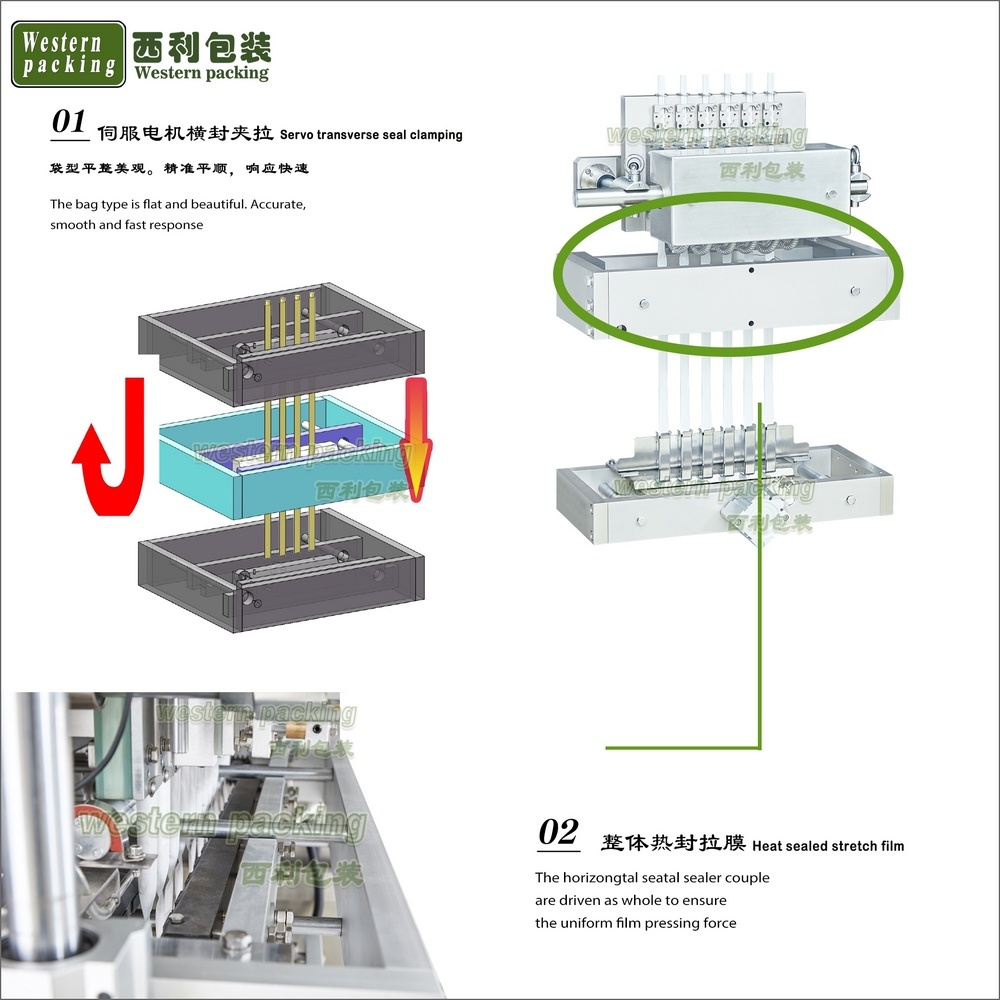
The sealing unit is responsible for closing the bags securely. Check seals for wear and replace them as necessary to prevent leaks.
4. Control Panel
The control panel allows operators to monitor and adjust settings. Keep it updated with software upgrades and ensure it remains free from dust and moisture.
Routine Maintenance Tasks for Maximum Performance
Establishing a routine maintenance schedule can significantly enhance the performance and lifespan of your bags packing machine. Here are the essential tasks to include:
1. Daily Inspections
Conduct daily inspections before starting operations. Check for any visible wear, loose connections, or unusual noises.
2. Cleaning
Regularly clean all accessible parts of the machine, including the feeding mechanism, filling system, and sealing unit. Use a soft brush and mild cleaning solution to avoid damage.
Daily Cleaning Checklist:
- Remove any product residue from the filling system.
- Wipe down the control panel with a damp cloth.
- Inspect the sealing unit for signs of wear or residue.
3. Lubrication
Proper lubrication is vital for moving parts. Follow the manufacturer’s guidelines on lubrication to prevent friction and wear.
4. Monthly Calibration Checks
Regularly calibrate your machine to ensure accuracy in filling. This helps maintain consistent product quality and reduces waste.
5. Annual Professional Service
Schedule an annual service with a qualified technician to perform a thorough inspection and maintenance. This professional touch can help identify issues that may go unnoticed.
Troubleshooting Common Issues
Even with diligent maintenance, machines may encounter issues. Here are some common problems and troubleshooting tips:
1. Jamming
If your packing machine frequently jams, check for debris in the feeding mechanism. Ensure that bags are properly aligned and that the machine is set to the correct size.
2. Inaccurate Filling
Inaccurate fills can arise from calibration issues. Recalibrate the filling system and ensure that all sensors are clean and functioning.
3. Poor Sealing
If the bags are not sealing correctly, inspect the sealing unit for wear and make sure that the correct temperature settings are being used.
Advanced Maintenance Techniques for Professionals
For those looking to go beyond basic maintenance, consider these advanced techniques:
1. Predictive Maintenance
Utilize predictive maintenance tools to track machine performance data. This can help anticipate failures before they occur.
2. Component Upgrades
If certain components frequently fail, consider upgrading to more durable parts. Check with the manufacturer for recommended upgrades.
3. Regular Training for Operators
Invest in training programs for operators. Well-trained personnel are more likely to identify potential issues before they escalate.
When to Consider Upgrades for Your Packing Machine
As technology advances, it may be necessary to upgrade your bags packing machine to keep pace with industry standards. Consider the following indicators:
1. Frequent Breakdowns
If your machine frequently requires repairs, it may be more cost-effective to invest in a new model.
2. Decreased Efficiency
If you notice a drop in production efficiency, assess whether an upgrade could provide enhanced features and better performance.
3. New Product Lines
If your company is expanding its offerings, upgrading your packing machine to accommodate new bag sizes and materials may be necessary.
Conclusion
Maintaining your bags packing machine is essential for ensuring longevity and efficiency. By implementing a structured maintenance plan and understanding your machine's components, you can significantly enhance its performance while minimizing downtime and costs. Regular inspections, cleaning, lubrication, and professional servicing will ensure that your equipment remains a valuable asset in your packaging operations.
Frequently Asked Questions
1. How often should I perform maintenance on my bags packing machine?
Daily inspections and cleaning are recommended, along with monthly calibration and annual professional servicing.
2. What should I do if my machine frequently jams?
Check for debris in the feeding mechanism and ensure bags are aligned properly. Adjust settings if necessary.
3. How can I improve the sealing quality of my bags?
Inspect the sealing unit for wear, use the correct temperature settings, and ensure the seals are clean and free from residue.
4. When should I consider upgrading my packing machine?
If you experience frequent breakdowns, decreased efficiency, or need to accommodate new product lines, it may be time to consider an upgrade.
5. What are the benefits of professional servicing?
A professional technician can identify hidden issues, perform in-depth maintenance, and ensure your machine operates at peak performance.
bags packing machine

Innovations in Granule Packing Technology You Should Know
Innovations in Granule Packing Technology: A Comprehensive Guide Table of Contents Understanding Granule Packing Technology Importance of Granule Packing in Manufacturing Key Innovations in Granule Packing Technology The Role of Automation in Granule Packing Sustainable Packaging Solutions for Granules Advanced Sensors and Monitoring Systems Case Studies and Industry Examples Futu
2026-08-28
Maximize Efficiency with Advanced Tea Bag Packing Machines
In the realm of packaging machinery, tea bag packing machines represent a vital innovation for manufacturers in the tea industry. These specialized machines are designed to automate the tea bag production process, significantly increasing efficiency while maintaining the quality of the product. With the growing demand for convenient tea options, understanding the functionality and advantages of te
2026-08-27
How Food Packaging Machines Enhance Product Safety and Compliance
How Food Packaging Machines Enhance Product Safety and Compliance Table of Contents 1. Introduction to Food Packaging Machines 2. The Importance of Food Safety in Packaging 3. Types of Food Packaging Machines 4. Advanced Technologies in Food Packaging 5. Regulatory Compliance in Food Packaging 6. The Impact of Food Packaging on Product Safety 7. Best Practices for Food
2026-08-26


Head office :
112 ROBINSON ROAD #03-01 ROBINSON 112 ,SINGAPORE
HONGKONG BRANCH :
12/F ZJ 300 300 LOCKHART ROAD WAN
CHAI HK
GUANGZHOU BRANCH:
3th, Yilongjie Wulonggang, Zhongluotan, Baiyun district, Guangzhou,China
Subscribe to our newsletter and get professional packaging solution


SAF Coolest v1.3.1.2 设置面板 UFQSX-ANRV-PSSVE-XVF
无数据提示
Sorry, the current column is being updated, please look forward to it!