

Exploring the Different Types of Paste Packing Machines Available: A Comprehensive Guide
Date:
2025-03-15
Exploring the Different Types of Paste Packing Machines Available
Table of Contents
- Introduction to Paste Packing Machines
- What is a Paste Packing Machine?
- Types of Paste Packing Machines
- Semi-Automatic Paste Packing Machines
- Fully Automatic Paste Packing Machines
- Piston Paste Packing Machines
- Gear Paste Packing Machines
- Vacuum Paste Packing Machines
- Benefits of Using Paste Packing Machines
- Spare Parts and Maintenance for Paste Packing Machines
- Applications of Paste Packing Machines in Various Industries
- Choosing the Right Paste Packing Machine for Your Needs
- Frequently Asked Questions
- Conclusion
Introduction to Paste Packing Machines
In today’s fast-paced industrial landscape, efficiency and precision are paramount. Businesses across various sectors rely on advanced machinery to streamline their production and packaging processes. One such innovation is the paste packing machine. These machines are designed to package pastes, creams, and other thick substances, ensuring that products are securely sealed and ready for distribution. Understanding the different types of paste packing machines available is essential for any business looking to enhance productivity and maintain product quality.
What is a Paste Packing Machine?
A paste packing machine is a specialized piece of equipment used to package viscous materials, including food products, pharmaceuticals, and cosmetic creams. These machines automate the filling and sealing processes, reducing labor costs and minimizing human error. By utilizing precision technology, paste packing machines enhance the speed and efficiency of packaging operations, making them an invaluable asset in any manufacturing facility.
Types of Paste Packing Machines
Understanding the various types of paste packing machines available can help businesses make informed decisions. Each type serves a specific purpose and is suited for different applications. Below, we explore the most common types of paste packing machines.
Semi-Automatic Paste Packing Machines
Semi-automatic paste packing machines require some manual input but automate the majority of the packaging process. Operators load products into the machine, which then fills and seals the packaging. These machines are ideal for small to medium-sized operations where production volumes are moderate. The benefits include lower investment costs and increased flexibility in packaging various product sizes.
Fully Automatic Paste Packing Machines
For businesses looking to maximize efficiency, fully automatic paste packing machines are the ideal solution. These machines operate independently, handling everything from product filling to sealing without human intervention. This capability not only speeds up production but also reduces the risk of contamination and human error. Fully automatic machines are suitable for high-volume production lines and can accommodate a wide range of paste products.
Piston Paste Packing Machines
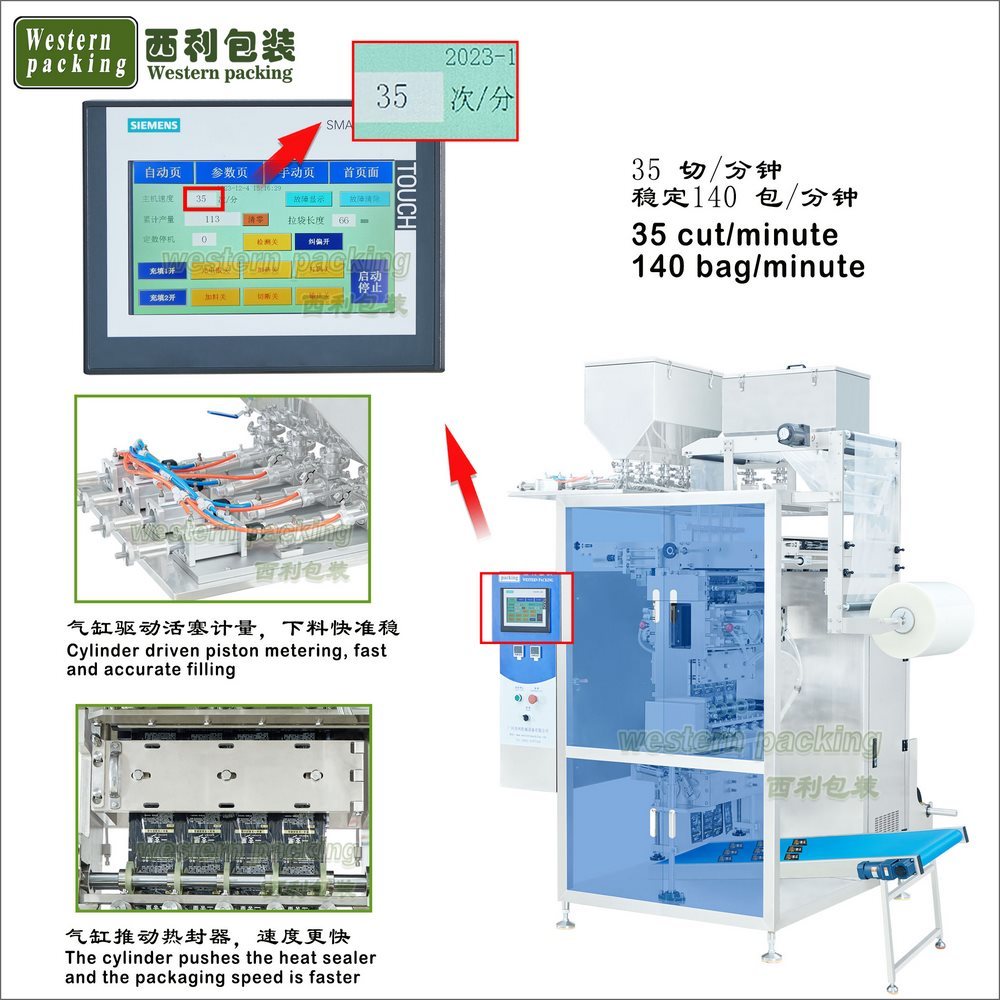
Piston paste packing machines utilize a piston mechanism to accurately measure and dispense paste products. This type of machine is perfect for thick, viscous materials, ensuring precise filling volumes. The piston system is highly customizable, allowing manufacturers to adjust the fill size according to their requirements. These machines are commonly used in food, cosmetic, and pharmaceutical industries.
Gear Paste Packing Machines
Gear paste packing machines rely on a gear-driven system to manage the flow and filling of paste products. They are known for their consistency and reliability in high-speed production environments. Gear machines are particularly effective for products that require a specific viscosity and can handle a range of substances, including sauces, gels, and creams.
Vacuum Paste Packing Machines
Vacuum paste packing machines operate under a vacuum environment to preserve product quality and extend shelf life. By removing air from the packaging, these machines prevent oxidation and microbial growth, making them ideal for sensitive products. They are commonly used in the food industry, where maintaining freshness is crucial.
Benefits of Using Paste Packing Machines
Investing in paste packing machines brings numerous benefits to businesses. Here are some key advantages:
1. Increased Efficiency
Automation reduces the time required for packaging, allowing companies to meet high demand without compromising on quality.
2. Consistency in Product Quality
Paste packing machines ensure uniform fills and sealed packages, which enhances product presentation and reduces waste.
3. Cost-Effectiveness
By minimizing labor costs and reducing material waste, these machines lead to significant long-term savings.
4. Enhanced Hygiene
Automated processes reduce human contact with products, promoting better hygiene and product safety.
5. Versatility
Many models can be adapted to handle different types of pastes, making them suitable for diverse product lines.
Spare Parts and Maintenance for Paste Packing Machines
Regular maintenance is crucial for the longevity of paste packing machines. Businesses should invest in genuine spare parts to ensure optimal performance. Here are some maintenance tips:
1. Regular Cleaning
Keeping the machine clean prevents contamination and ensures smooth operation. Regularly check and clean all components.
2. Lubrication
Lubricate moving parts according to the manufacturer’s recommendations to reduce friction and wear.
3. Software Updates
If applicable, keep the machine’s software updated to enhance functionality and security.
4. Scheduled Inspections
Implement a routine inspection schedule to identify and address potential issues before they escalate.
Applications of Paste Packing Machines in Various Industries
Paste packing machines find applications across numerous industries, highlighting their versatility. Here are some key sectors where they are commonly used:
1. Food Industry
In the food industry, paste packing machines are used for sauces, spreads, and dressings, enabling efficient packaging while preserving freshness.
2. Pharmaceutical Industry
Pharmaceutical companies utilize these machines for ointments, creams, and gels, ensuring high hygiene standards and accurate dosing.
3. Cosmetic Industry
Cosmetic manufacturers rely on paste packing machines for creams, lotions, and gels, providing an attractive packaging design along with precise fills.
4. Chemical Industry
In the chemical sector, paste packing machines are essential for packaging adhesives, sealants, and other viscous materials.
Choosing the Right Paste Packing Machine for Your Needs
Selecting the right paste packing machine depends on various factors. Here are some considerations to help you make an informed choice:
1. Production Volume
Evaluate your production needs. High-volume operations may benefit from fully automatic machines, while smaller businesses might find semi-automatic models sufficient.
2. Product Characteristics
Consider the viscosity and properties of the paste you are packaging. Different machines cater to different product types.
3. Budget
Establish a budget and explore options within that range. Balance initial investment with long-term savings.
4. Maintenance Requirements
Assess the machine's maintenance needs and ensure you have the resources to maintain it effectively.
Frequently Asked Questions
1. What types of paste can be packed using these machines?
Paste packing machines are designed to handle a range of viscous products, including food pastes, creams, gels, and adhesives.
2. How do I maintain a paste packing machine?
Regular cleaning, lubrication of moving parts, software updates, and scheduled inspections are essential for maintaining paste packing machines.
3. Are paste packing machines customizable?
Many paste packing machines offer customization options to accommodate different fill sizes and paste types.
4. What is the difference between semi-automatic and fully automatic machines?
Semi-automatic machines require manual input at certain stages, while fully automatic machines operate independently without human intervention.
5. What industries use paste packing machines?
Paste packing machines are widely used in food, pharmaceutical, cosmetic, and chemical industries.
Conclusion
Understanding the different types of paste packing machines available is crucial for businesses aiming to enhance their packaging processes. From semi-automatic to fully automatic machines, each type offers unique benefits tailored to specific production needs. By investing in the right machinery, businesses can improve efficiency, ensure product quality, and maintain competitiveness in their respective markets. Explore your options and choose a paste packing machine that aligns with your production goals and operational requirements.
paste packing machine

Innovations in Granule Packing Technology You Should Know
Innovations in Granule Packing Technology: A Comprehensive Guide Table of Contents Understanding Granule Packing Technology Importance of Granule Packing in Manufacturing Key Innovations in Granule Packing Technology The Role of Automation in Granule Packing Sustainable Packaging Solutions for Granules Advanced Sensors and Monitoring Systems Case Studies and Industry Examples Futu
2026-08-28
Maximize Efficiency with Advanced Tea Bag Packing Machines
In the realm of packaging machinery, tea bag packing machines represent a vital innovation for manufacturers in the tea industry. These specialized machines are designed to automate the tea bag production process, significantly increasing efficiency while maintaining the quality of the product. With the growing demand for convenient tea options, understanding the functionality and advantages of te
2026-08-27
How Food Packaging Machines Enhance Product Safety and Compliance
How Food Packaging Machines Enhance Product Safety and Compliance Table of Contents 1. Introduction to Food Packaging Machines 2. The Importance of Food Safety in Packaging 3. Types of Food Packaging Machines 4. Advanced Technologies in Food Packaging 5. Regulatory Compliance in Food Packaging 6. The Impact of Food Packaging on Product Safety 7. Best Practices for Food
2026-08-26


Head office :
112 ROBINSON ROAD #03-01 ROBINSON 112 ,SINGAPORE
HONGKONG BRANCH :
12/F ZJ 300 300 LOCKHART ROAD WAN
CHAI HK
GUANGZHOU BRANCH:
3th, Yilongjie Wulonggang, Zhongluotan, Baiyun district, Guangzhou,China
Subscribe to our newsletter and get professional packaging solution


SAF Coolest v1.3.1.2 设置面板 UFQSX-ANRV-PSSVE-XVF
无数据提示
Sorry, the current column is being updated, please look forward to it!