

Boosting Efficiency: Automating Your Process with a Paste Packing Machine
Date:
2025-02-03
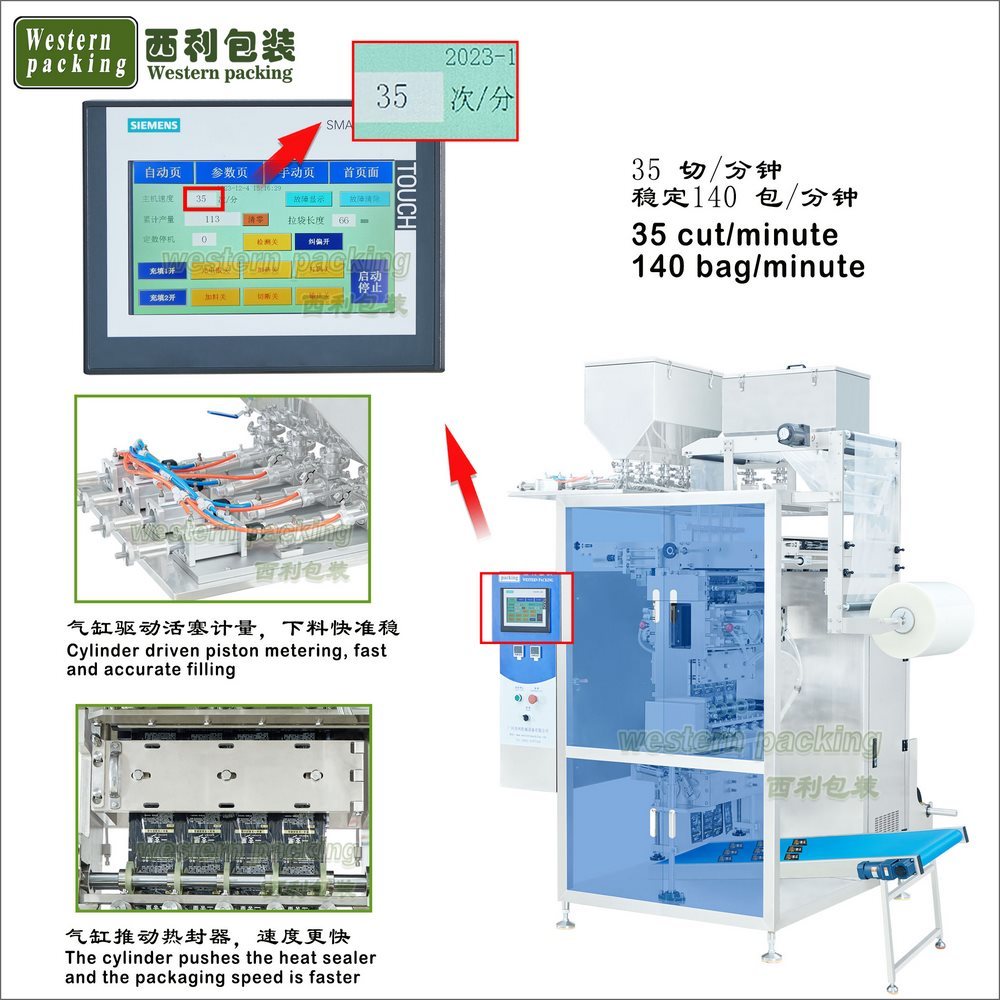
Boosting Efficiency: Automating Your Process with a Paste Packing Machine
Table of Contents
1. Understanding the Importance of Automation in Manufacturing
2. What is a Paste Packing Machine?
3. Benefits of Using a Paste Packing Machine
3.1 Enhanced Efficiency and Speed
3.2 Cost Reduction and Labor Savings
3.3 Improved Product Consistency and Quality
4. Key Features to Look for in a Paste Packing Machine
4.1 Automation Levels: Semi-Automatic vs. Fully Automatic
4.2 Compatibility with Different Paste Types
4.3 User-Friendly Interface and Controls
5. Best Practices for Implementing a Paste Packing Machine
5.1 Assessing Your Current Processes
5.2 Training Your Team for Smooth Integration
6. Common Applications of Paste Packing Machines
6.1 Food Industry
6.2 Cosmetics and Personal Care Products
7. Frequently Asked Questions (FAQs)
8. Conclusion: The Future of Automation in Packaging
1. Understanding the Importance of Automation in Manufacturing
In the highly competitive landscape of today’s manufacturing industry, **automation** has emerged as a critical strategy for enhancing productivity and efficiency. By adopting advanced technologies, businesses can streamline processes, minimize errors, and meet increasing customer demands without compromising quality. The advent of smart machinery, such as **paste packing machines**, exemplifies how automation transforms conventional packaging methods into efficient, reliable operations.
2. What is a Paste Packing Machine?
A **paste packing machine** is a specialized device designed to package semi-solid products, such as creams, sauces, and other viscous materials. These machines are engineered to fill containers or pouches with precise amounts of paste-like substances, ensuring minimal waste and consistent fill levels. With advancements in technology, many paste packing machines now come equipped with features that enhance automation, making them integral to modern manufacturing environments.
3. Benefits of Using a Paste Packing Machine
Integrating a paste packing machine into your production line offers several advantages that can significantly impact your operational efficiency.
3.1 Enhanced Efficiency and Speed
One of the primary benefits of a paste packing machine is its ability to operate at high speeds. Unlike manual packing methods, which can be slow and error-prone, these machines can fill hundreds or thousands of containers per hour. This capability not only accelerates the production process but also allows manufacturers to meet tight deadlines and demand fluctuations without sacrificing quality.
3.2 Cost Reduction and Labor Savings
While the initial investment in a paste packing machine may seem substantial, the long-term savings are undeniable. Automation reduces the need for extensive manual labor, leading to lower wage expenses and decreased costs associated with human errors. Additionally, machines require less maintenance and are often more reliable than manual processes, further contributing to cost reductions.
3.3 Improved Product Consistency and Quality
Consistency is crucial in product manufacturing, particularly in industries like food and cosmetics. A paste packing machine ensures that each package receives the same amount of product, maintaining uniformity across batches. This precision not only improves the overall quality of the products but also enhances customer satisfaction and brand reputation.
4. Key Features to Look for in a Paste Packing Machine
When selecting a paste packing machine for your production line, several features are essential to consider to ensure you choose the right model for your needs.
4.1 Automation Levels: Semi-Automatic vs. Fully Automatic
Understanding the level of automation required for your operation is crucial. **Semi-automatic machines** may require some manual intervention, while **fully automatic machines** operate independently, performing all packing tasks autonomously. Depending on your production volume and workforce capabilities, choosing the right level of automation will optimize your workflow.
4.2 Compatibility with Different Paste Types
Not all paste packing machines are created equal; some are designed specifically for certain paste types. Ensure that the machine you select can handle the specific viscosity and properties of the products you intend to package, whether they are thick sauces, viscous creams, or other similar substances.
4.3 User-Friendly Interface and Controls
A user-friendly interface is vital for ensuring that your team can operate the machine efficiently. Look for machines with intuitive controls and clear displays, as this will reduce the learning curve and minimize the potential for operator errors.
5. Best Practices for Implementing a Paste Packing Machine
Integrating a paste packing machine into your production line requires careful planning and execution. Here are some best practices to consider.
5.1 Assessing Your Current Processes
Before investing in a paste packing machine, evaluate your current packaging processes. Identify bottlenecks, inefficiencies, and areas where automation could provide significant benefits. This assessment will help you make informed decisions regarding the type and specifications of the machine you need.
5.2 Training Your Team for Smooth Integration
To maximize the benefits of your new paste packing machine, comprehensive training for your team is essential. Ensure that operators understand how to use the machine, troubleshoot common issues, and maintain it properly. Ongoing training sessions can also help keep your team updated on best practices and operational enhancements.
6. Common Applications of Paste Packing Machines
Paste packing machines are versatile and can be utilized across various industries. Here are some common applications:
6.1 Food Industry
In the food industry, paste packing machines are widely used to package sauces, dressings, and other semi-solid products. Their ability to maintain hygiene standards and ensure product quality makes them essential in this sector.
6.2 Cosmetics and Personal Care Products
The cosmetics industry also relies on paste packing machines to fill tubes and jars with creams, lotions, and gels. The precision and consistency offered by these machines are crucial for maintaining brand integrity and consumer trust.
7. Frequently Asked Questions (FAQs)
7.1 What is the average cost of a paste packing machine?
The cost can vary significantly based on the machine's features, automation level, and brand. Generally, prices range from several thousand to tens of thousands of dollars.
7.2 How long does it take to train operators on a new paste packing machine?
Training time can vary, but most operators can learn to use a paste packing machine within a few days to a week, depending on the machine's complexity.
7.3 Can paste packing machines handle different container sizes?
Yes, many paste packing machines are designed to accommodate various container sizes and shapes, but it's essential to verify compatibility with the specific machine you choose.
7.4 What maintenance is required for a paste packing machine?
Routine maintenance typically includes cleaning, lubricating moving parts, and checking for wear and tear. Regular servicing ensures optimal performance and longevity.
7.5 Are paste packing machines energy-efficient?
Most modern paste packing machines are designed with energy efficiency in mind, using advanced technologies to reduce energy consumption while maintaining high performance.
8. Conclusion: The Future of Automation in Packaging
As industries continue to evolve, the shift toward automation is becoming more pronounced. Investing in a **paste packing machine** offers manufacturers a pathway to improving efficiency, reducing costs, and enhancing product quality. By understanding the benefits, features, and best practices associated with these machines, companies can position themselves for success in an increasingly competitive market. Embracing automation not only streamlines processes but also paves the way for innovation and growth in the packaging industry.
paste packing machine

Innovations in Granule Packing Technology You Should Know
Innovations in Granule Packing Technology: A Comprehensive Guide Table of Contents Understanding Granule Packing Technology Importance of Granule Packing in Manufacturing Key Innovations in Granule Packing Technology The Role of Automation in Granule Packing Sustainable Packaging Solutions for Granules Advanced Sensors and Monitoring Systems Case Studies and Industry Examples Futu
2026-08-28
Maximize Efficiency with Advanced Tea Bag Packing Machines
In the realm of packaging machinery, tea bag packing machines represent a vital innovation for manufacturers in the tea industry. These specialized machines are designed to automate the tea bag production process, significantly increasing efficiency while maintaining the quality of the product. With the growing demand for convenient tea options, understanding the functionality and advantages of te
2026-08-27
How Food Packaging Machines Enhance Product Safety and Compliance
How Food Packaging Machines Enhance Product Safety and Compliance Table of Contents 1. Introduction to Food Packaging Machines 2. The Importance of Food Safety in Packaging 3. Types of Food Packaging Machines 4. Advanced Technologies in Food Packaging 5. Regulatory Compliance in Food Packaging 6. The Impact of Food Packaging on Product Safety 7. Best Practices for Food
2026-08-26


Head office :
112 ROBINSON ROAD #03-01 ROBINSON 112 ,SINGAPORE
HONGKONG BRANCH :
12/F ZJ 300 300 LOCKHART ROAD WAN
CHAI HK
GUANGZHOU BRANCH:
3th, Yilongjie Wulonggang, Zhongluotan, Baiyun district, Guangzhou,China
Subscribe to our newsletter and get professional packaging solution


SAF Coolest v1.3.1.2 设置面板 UFQSX-ANRV-PSSVE-XVF
无数据提示
Sorry, the current column is being updated, please look forward to it!