

How to Maintain Your Milk Packing Machine for Optimal Performance
Date:
2025-01-15
How to Maintain Your Milk Packing Machine for Optimal Performance
Table of Contents
- Introduction to Milk Packing Machine Maintenance
- Importance of Regular Maintenance
- Key Components of Milk Packing Machines
- Daily Maintenance Tasks for Milk Packing Machines
- Weekly Maintenance Tasks for Milk Packing Machines
- Monthly Maintenance Tasks for Milk Packing Machines
- Common Issues and Their Solutions
- Frequently Asked Questions
- Conclusion
Introduction to Milk Packing Machine Maintenance
In the dairy industry, **milk packing machines** operate at the heart of production, ensuring that milk is packaged efficiently and hygienically. As these machines work tirelessly, the importance of proper maintenance cannot be overstated. A well-maintained milk packing machine not only enhances productivity but also reduces the risk of breakdowns that can lead to costly downtime. This guide outlines comprehensive strategies for maintaining your milk packing machinery, ensuring optimal performance and longevity.
Importance of Regular Maintenance
Regular maintenance of milk packing machines is crucial for several reasons:
1. **Efficiency**: Well-maintained machines operate more efficiently, leading to higher production rates and lower operational costs.
2. **Quality Assurance**: Maintenance helps in ensuring the consistency and quality of the packaged milk, which is paramount in the dairy industry.
3. **Longevity**: Proper upkeep can extend the life of your equipment, protecting your investment and saving you from premature replacements.
4. **Safety Compliance**: Routine inspections and servicing help ensure compliance with health and safety regulations, protecting workers and consumers alike.
Key Components of Milk Packing Machines
Understanding the main components of your milk packing machine is essential for effective maintenance. Key parts include:
- **Filling System**: Responsible for accurately dispensing milk into containers.
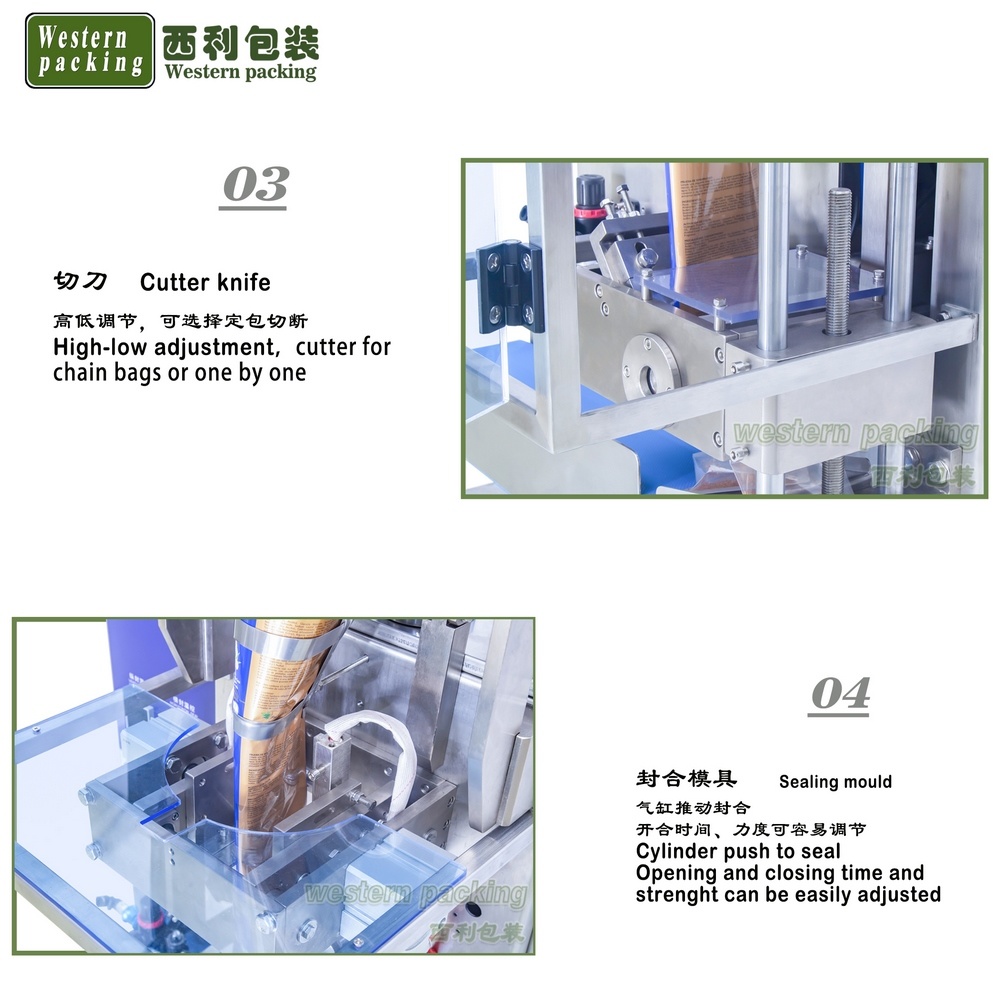
- **Sealing Mechanism**: Ensures that the containers are sealed tightly to prevent contamination.
- **Transport System**: Moves containers through the packing process.
- **Control Panel**: Monitors and manages machine operations.
- **Cleaning System**: Sanitizes components to maintain hygiene standards.
Daily Maintenance Tasks for Milk Packing Machines
To ensure your milk packing machine operates smoothly, daily maintenance tasks should include:
- **Visual Inspection**: Check for any visible signs of wear and tear or leaks in the system.
- **Cleaning**: Remove any milk residue or spills to prevent bacterial growth. Use warm water and approved detergents for a thorough clean.
- **Lubrication**: Apply lubricant to moving parts, following the manufacturer's specifications to ensure smooth operation.
- **Calibration Checks**: Ensure that the filling system is accurately dispensing the correct amount of milk by conducting a calibration test daily.
Weekly Maintenance Tasks for Milk Packing Machines
In addition to daily checks, weekly maintenance tasks will help further ensure optimal performance:
- **Deep Cleaning**: Conduct a more thorough cleaning of all components, including the filling and sealing parts, using specialized cleaning solutions suitable for dairy equipment.
- **Belt Tensioning**: Inspect and adjust the tension of belts and chains to prevent slippage and wear.
- **Filters Inspection**: Clean or replace any filters to ensure the machine operates without blockages.
- **Software Updates**: If applicable, check for and install any software updates on the control panel to enhance functionality.
Monthly Maintenance Tasks for Milk Packing Machines
Monthly maintenance is crucial for long-term performance and should encompass:
- **Comprehensive Inspections**: Conduct detailed inspections of all mechanical parts, looking for signs of wear, chips, or corrosion.
- **Electrical System Check**: Inspect wiring, connections, and the control panel to ensure everything is functioning correctly and safely.
- **Calibration of Sensors**: Test and recalibrate the sensors that monitor filling levels and sealing integrity for accuracy.
- **Documentation**: Keep a detailed log of all maintenance activities, including any issues encountered and actions taken.
Common Issues and Their Solutions
Despite regular maintenance, milk packing machines can still encounter issues. Here are some common problems and their solutions:
- **Inaccurate Filling**: This can occur due to worn-out sensors or improper calibration. Regular calibration and sensor checks can resolve this issue.
- **Seal Failures**: If containers are not sealing properly, it could indicate a worn sealing mechanism. Inspect and replace sealing components as needed.
- **Overheating**: Machines may overheat due to inadequate lubrication or blocked air vents. Regular lubrication and cleaning of air vents can prevent overheating.
- **Unusual Noises**: Strange sounds may indicate a misalignment or wear in the moving parts. Investigate the source of the noise and adjust or replace parts as necessary.
Frequently Asked Questions
1. How often should I perform maintenance on my milk packing machine?
We recommend daily, weekly, and monthly maintenance tasks to ensure optimal performance and longevity.
2. What cleaning agents are safe to use on milk packing machines?
Use warm water with approved detergents specifically designed for dairy equipment to ensure safety and hygiene.
3. How can I tell if my milk packing machine is properly calibrated?
Conduct regular calibration tests to check if the machine dispenses the correct volume of milk consistently.
4. What should I do if I notice a leak in my milk packing machine?
Immediately shut down the machine, identify the source of the leak, and repair or replace any damaged components before resuming operation.
5. Is it necessary to document maintenance activities?
Yes, keeping a detailed log of maintenance activities helps track the machine’s condition and can be useful for audits and compliance checks.
Conclusion
Maintaining your milk packing machine is essential for ensuring optimal performance, extending the lifespan of the equipment, and maintaining high-quality standards in dairy production. By following the daily, weekly, and monthly maintenance schedules outlined in this guide, you will minimize the risk of breakdowns and improve efficiency in your production line. Remember that a proactive approach to maintenance not only protects your investment but also enhances the safety and satisfaction of your customers. Stay committed to maintenance, and your milk packing machine will serve you efficiently for years to come.
packing machine milk

Innovations in Granule Packing Technology You Should Know
Innovations in Granule Packing Technology: A Comprehensive Guide Table of Contents Understanding Granule Packing Technology Importance of Granule Packing in Manufacturing Key Innovations in Granule Packing Technology The Role of Automation in Granule Packing Sustainable Packaging Solutions for Granules Advanced Sensors and Monitoring Systems Case Studies and Industry Examples Futu
2026-08-28
Maximize Efficiency with Advanced Tea Bag Packing Machines
In the realm of packaging machinery, tea bag packing machines represent a vital innovation for manufacturers in the tea industry. These specialized machines are designed to automate the tea bag production process, significantly increasing efficiency while maintaining the quality of the product. With the growing demand for convenient tea options, understanding the functionality and advantages of te
2026-08-27
How Food Packaging Machines Enhance Product Safety and Compliance
How Food Packaging Machines Enhance Product Safety and Compliance Table of Contents 1. Introduction to Food Packaging Machines 2. The Importance of Food Safety in Packaging 3. Types of Food Packaging Machines 4. Advanced Technologies in Food Packaging 5. Regulatory Compliance in Food Packaging 6. The Impact of Food Packaging on Product Safety 7. Best Practices for Food
2026-08-26


Head office :
112 ROBINSON ROAD #03-01 ROBINSON 112 ,SINGAPORE
HONGKONG BRANCH :
12/F ZJ 300 300 LOCKHART ROAD WAN
CHAI HK
GUANGZHOU BRANCH:
3th, Yilongjie Wulonggang, Zhongluotan, Baiyun district, Guangzhou,China
Subscribe to our newsletter and get professional packaging solution


SAF Coolest v1.3.1.2 设置面板 UFQSX-ANRV-PSSVE-XVF
无数据提示
Sorry, the current column is being updated, please look forward to it!