

The Environmental Impact of Packing Machines in the Milk Industry
Date:
2025-01-05
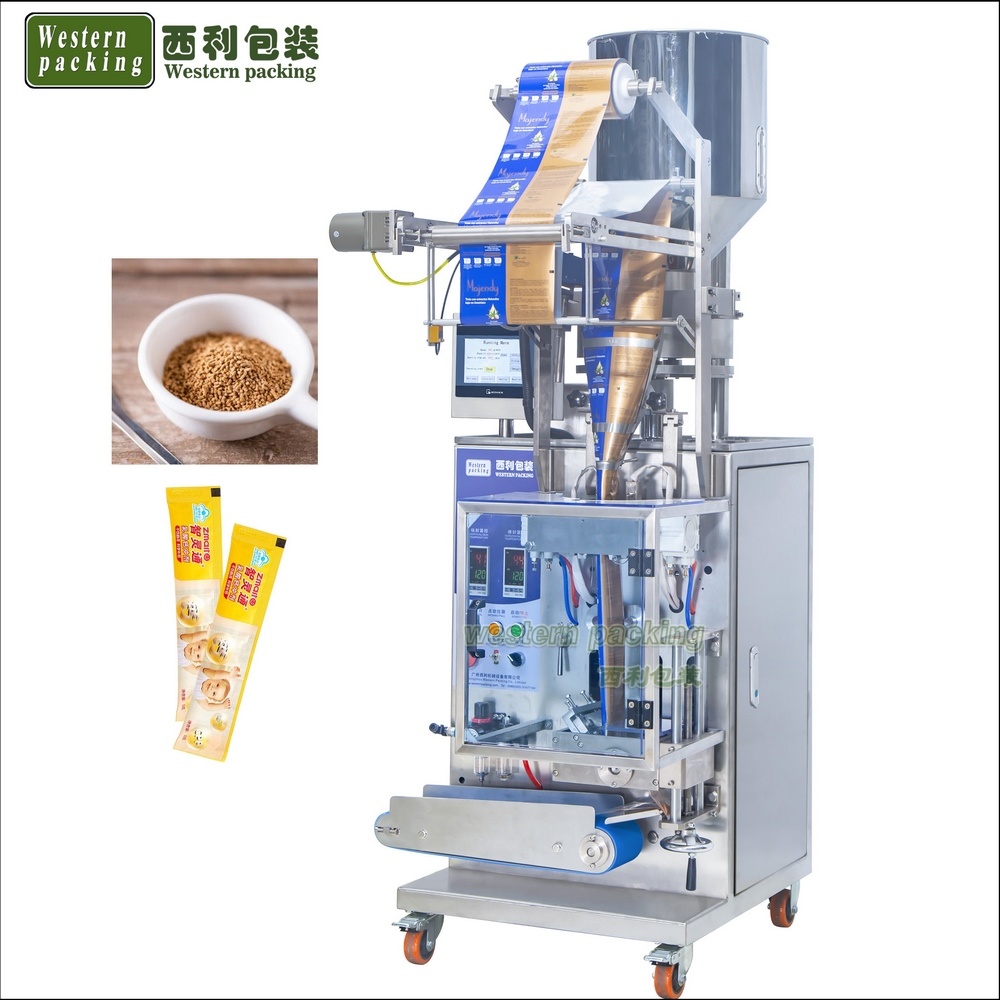
The Environmental Impact of Packing Machines in the Milk Industry
In the modern era, the milk industry is increasingly under scrutiny for its environmental practices, particularly when it comes to the technology employed in the packaging process. Packing machines are essential for ensuring the quality and safety of milk products, but they also have significant implications for environmental sustainability. This article delves deeply into the various aspects of packing machines in the milk industry, examining their environmental impacts, innovations, and potential solutions for a more sustainable future.
Table of Contents
- Introduction to Packing Machines in the Milk Industry
- The Technology Behind Packing Machines
- Environmental Impacts of Packing Machines
- Energy Consumption and Carbon Footprint
- Waste Generation from Packaging Processes
- Innovative Sustainable Practices in Milk Packaging
- Future Trends in Milk Packing Technology
- Conclusion
- Frequently Asked Questions
Introduction to Packing Machines in the Milk Industry
The milk industry plays a pivotal role in global food supply chains, catering to millions of consumers worldwide. With this demand comes the necessity for efficient packaging solutions that maintain product integrity while addressing environmental concerns. Packing machines serve as a bridge between the production of milk and its delivery to consumers, making them a critical component of the industry. As we strive for sustainability, understanding the environmental impact of these machines is paramount.
The Technology Behind Packing Machines
The technology utilized in packing machines has evolved significantly over the years, encompassing a range of processes designed to enhance efficiency and reduce waste. Modern packing machines utilize advanced automation and robotics, allowing for high-speed production while minimizing human error. Key technologies include:
1. Automated Filling Machines
Automated filling machines ensure that milk containers are filled accurately and efficiently. These machines are often equipped with sensors and smart technology to prevent spillage and maintain precise filling levels, thus reducing waste.
2. Sealing and Capping Technologies
Sealing and capping technologies are crucial for maintaining the freshness and shelf life of milk products. Innovations in this area have led to the development of environmentally friendly materials that reduce the reliance on plastics.
3. Sustainable Packaging Materials
As consumer demand for eco-friendly packaging grows, manufacturers are increasingly adopting sustainable materials. Biodegradable films, recyclable cartons, and reusable containers are some of the advancements that packing machines are adapting to use.
Environmental Impacts of Packing Machines
The environmental impact of packing machines in the milk industry can be categorized into several key areas, including resource consumption, emissions, and waste generation. Each of these factors contributes to the overall ecological footprint of milk packaging.
Resource Consumption
Packing machines require significant amounts of energy and water throughout their operational lifecycle. The sourcing of raw materials used in packaging also contributes to resource depletion. Understanding these consumption patterns is crucial for identifying areas for improvement.
Emissions Related to Manufacturing
The production of packing machines and the packaging materials they utilize can result in considerable greenhouse gas emissions. From the extraction of raw materials to the manufacturing processes, each step has environmental repercussions that need to be addressed.
Energy Consumption and Carbon Footprint
Energy consumption is one of the most critical factors affecting the environmental impact of packing machines. These machines require electricity to operate, and the sources of this energy can significantly influence their carbon footprint.
1. Energy-Efficient Technologies
Investing in energy-efficient packing machines can help reduce the overall carbon footprint of milk packaging. Technologies such as variable frequency drives (VFDs) and energy recovery systems can significantly lower energy usage.
2. Renewable Energy Sources
Utilizing renewable energy sources, such as solar or wind power, can further mitigate the carbon emissions associated with packing machines. By transitioning to greener energy, the milk industry can greatly reduce its environmental impact.
Waste Generation from Packaging Processes
Waste generation is another significant environmental concern tied to packing machines. The production and disposal of packaging materials contribute to landfill overflow and environmental pollution.
1. Types of Waste Generated
Common types of waste generated during the packaging process include:
- Excess materials from the manufacturing process
- Used packaging materials that are not recyclable
- Food waste due to improper sealing or packaging
2. Strategies for Waste Reduction
Implementing strategies for waste reduction is essential. These strategies may include:
- Optimizing equipment settings to minimize excess material use
- Promoting recycling programs within the organization
- Investing in biodegradable or compostable packaging materials
Innovative Sustainable Practices in Milk Packaging
As the milk industry faces scrutiny over its environmental practices, many companies are adopting innovative sustainable practices to mitigate their impact. These include:
1. Eco-Friendly Packaging Solutions
Shifting to eco-friendly packaging solutions is a pivotal step in reducing the environmental footprint. Options such as tetra packs made from renewable resources, glass bottles, and biodegradable pouches are gaining traction.
2. Circular Economy Initiatives
Embracing a circular economy approach can drastically reduce waste. This includes designing packaging with recyclability in mind and encouraging the return of packaging materials for reuse or recycling.
3. Life Cycle Assessment (LCA)
Conducting a life cycle assessment (LCA) allows companies to evaluate the environmental impact of their packaging from production to disposal. This comprehensive analysis can identify critical areas for improvement and guide sustainable practices.
Future Trends in Milk Packing Technology
The future of milk packaging looks promising, with ongoing advancements aimed at minimizing environmental impact. Some notable trends include:
1. Smart Packaging
Smart packaging technologies, which incorporate sensors and indicators, can enhance product safety while reducing waste. These innovations allow consumers to monitor the freshness of milk, leading to fewer product discards.
2. Plant-Based Alternatives
The rise of plant-based packaging materials offers an eco-friendly alternative to traditional plastics. These materials, derived from agricultural products, are biodegradable and reduce reliance on fossil fuels.
3. Digital Printing Technologies
Digital printing technologies allow for customized packaging solutions that can reduce material waste. This flexibility enables companies to produce only what is necessary, minimizing overproduction and waste.
Conclusion
The environmental impact of packing machines in the milk industry is multifaceted, ranging from energy consumption to waste generation. However, through the adoption of innovative technologies and sustainable practices, it is possible to mitigate these impacts significantly. By prioritizing eco-friendly solutions and emphasizing sustainability, the milk industry can not only enhance its operational efficiency but also contribute positively to global environmental goals. As we move toward a greener future, the role of packing machines will continue to evolve, paving the way for a more sustainable milk industry.
Frequently Asked Questions
1. What is the primary environmental concern related to packing machines in the milk industry?
The primary concern is the energy consumption and waste generation associated with the packaging processes.
2. How can packing machines contribute to sustainability?
Packing machines can contribute to sustainability through energy-efficient technologies, the use of eco-friendly materials, and innovative waste reduction strategies.
3. What are some examples of sustainable packaging materials for milk?
Examples include biodegradable films, recyclable cartons, and plant-based containers.
4. How does energy consumption impact the carbon footprint of packing machines?
Higher energy consumption can lead to increased greenhouse gas emissions, especially if the energy sources are fossil fuels. Transitioning to renewable energy can help reduce this impact.
5. What trends are shaping the future of milk packing technology?
Future trends include smart packaging, plant-based alternatives, and advancements in digital printing technologies. These innovations aim to reduce environmental impacts while enhancing product safety.
packing machine milk

Innovations in Granule Packing Technology You Should Know
Innovations in Granule Packing Technology: A Comprehensive Guide Table of Contents Understanding Granule Packing Technology Importance of Granule Packing in Manufacturing Key Innovations in Granule Packing Technology The Role of Automation in Granule Packing Sustainable Packaging Solutions for Granules Advanced Sensors and Monitoring Systems Case Studies and Industry Examples Futu
2026-08-28
Maximize Efficiency with Advanced Tea Bag Packing Machines
In the realm of packaging machinery, tea bag packing machines represent a vital innovation for manufacturers in the tea industry. These specialized machines are designed to automate the tea bag production process, significantly increasing efficiency while maintaining the quality of the product. With the growing demand for convenient tea options, understanding the functionality and advantages of te
2026-08-27
How Food Packaging Machines Enhance Product Safety and Compliance
How Food Packaging Machines Enhance Product Safety and Compliance Table of Contents 1. Introduction to Food Packaging Machines 2. The Importance of Food Safety in Packaging 3. Types of Food Packaging Machines 4. Advanced Technologies in Food Packaging 5. Regulatory Compliance in Food Packaging 6. The Impact of Food Packaging on Product Safety 7. Best Practices for Food
2026-08-26


Head office :
112 ROBINSON ROAD #03-01 ROBINSON 112 ,SINGAPORE
HONGKONG BRANCH :
12/F ZJ 300 300 LOCKHART ROAD WAN
CHAI HK
GUANGZHOU BRANCH:
3th, Yilongjie Wulonggang, Zhongluotan, Baiyun district, Guangzhou,China
Subscribe to our newsletter and get professional packaging solution


SAF Coolest v1.3.1.2 设置面板 UFQSX-ANRV-PSSVE-XVF
无数据提示
Sorry, the current column is being updated, please look forward to it!