

Understanding the Different Types of Packing Machines for Milk: A Comprehensive Guide
Date:
2024-12-15
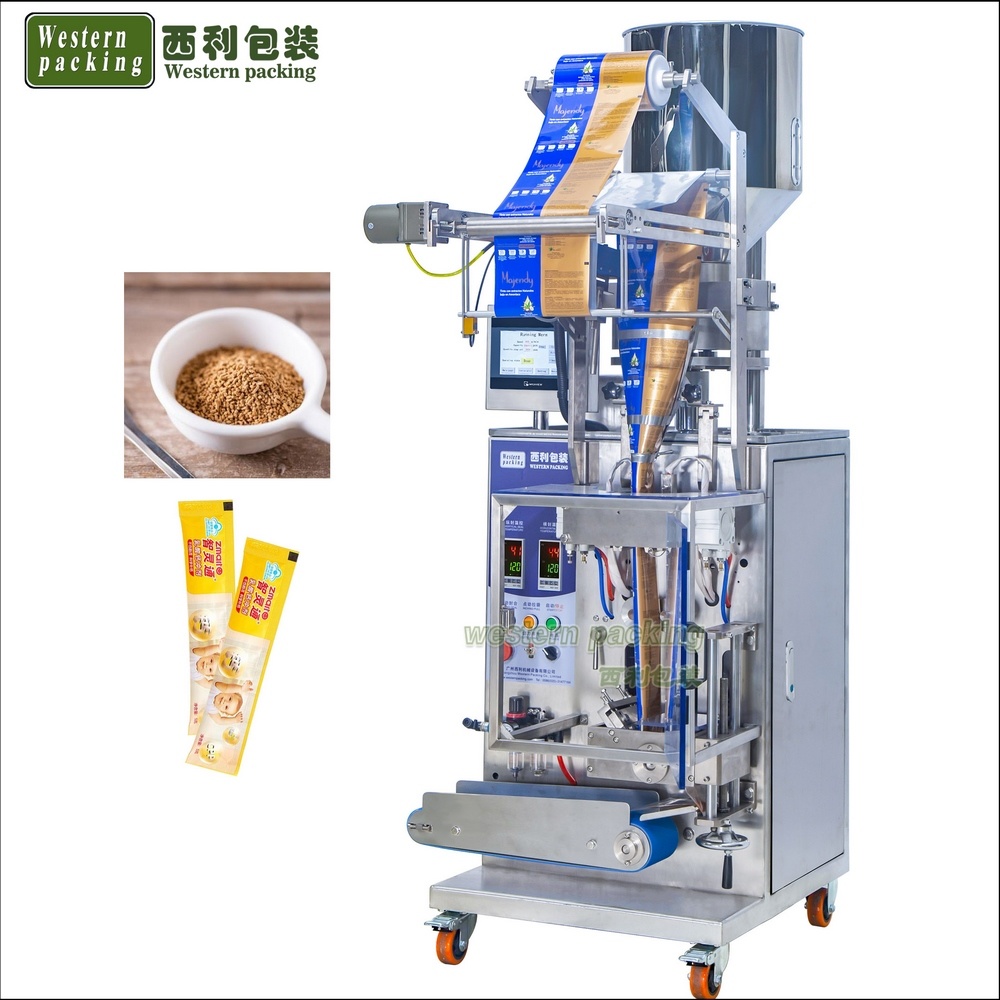
Understanding the Different Types of Packing Machines for Milk
Table of Contents
- 1. Introduction to Milk Packaging
- 2. Importance of Efficient Milk Packaging
- 3. Types of Packing Machines for Milk
- 3.1 Carton Packaging Machines
- 3.2 Bottle Filling Machines
- 3.3 Pouch Packaging Machines
- 3.4 Bulk Milk Packing Machines
- 4. Key Features of Milk Packing Machines
- 5. Benefits of Modern Packing Machines
- 6. Maintenance and Care for Packaging Equipment
- 7. Industry Trends in Milk Packaging
- 8. Frequently Asked Questions
- 9. Conclusion
1. Introduction to Milk Packaging
Milk packaging is a critical aspect of the dairy industry, ensuring that milk remains fresh, safe, and appealing to consumers. The packaging process plays a significant role in maintaining the quality of milk, protecting it from contamination and spoilage. Understanding the different types of packing machines available for milk can help manufacturers choose the right technology that fits their operational needs.
2. Importance of Efficient Milk Packaging
Efficient milk packaging is essential for several reasons:
- **Quality Preservation**: Proper packaging protects milk from external factors such as light, air, and bacteria that can lead to spoilage.
- **Extended Shelf Life**: Advanced packaging methods help in extending the shelf life of milk products, allowing for longer distribution and storage.
- **Consumer Appeal**: Attractive, functional packaging can significantly influence consumer purchasing decisions.
- **Cost Efficiency**: Investing in the right packing machines reduces waste and optimizes resource management, leading to cost savings.
3. Types of Packing Machines for Milk
Milk packing machines come in various types, each designed for specific packaging needs. Here, we explore the different types available in the market.
3.1 Carton Packaging Machines
Carton packaging machines are designed to fill and seal milk in carton containers, which are popular for their lightweight and easy-to-handle features. These machines can be equipped with:
- **Aseptic Technology**: Ensures that milk is packaged in a sterile environment, extending its shelf life without refrigeration.
- **Carton Formers**: Automatically form cartons from flat sheets, reducing labor costs and increasing efficiency.
3.2 Bottle Filling Machines
Bottle filling machines are widely used for packaging milk in plastic or glass bottles. They offer:
- **High-Speed Filling**: Capable of filling large volumes of bottles per hour, making them ideal for high-demand production lines.
- **Customization Options**: Different bottle sizes and shapes can be accommodated, providing flexibility in product offerings.
3.3 Pouch Packaging Machines
Pouch packaging machines are increasingly popular due to their convenience and cost-effectiveness. Key features include:
- **Flexibility**: They can handle various pouch sizes and styles, including stand-up pouches and flat pouches.
- **Barrier Protection**: Pouches provide excellent barrier properties to protect milk from oxygen and moisture.
3.4 Bulk Milk Packing Machines
For dairy suppliers that deal with larger quantities, bulk milk packing machines are essential. They provide:
- **Efficient Handling**: Designed for packaging large volumes into tankers or bulk containers, reducing the need for multiple smaller packages.
- **Cost-Effective Solutions**: Lower packaging costs per liter due to the larger volume.
4. Key Features of Milk Packing Machines
When selecting milk packing machines, several key features should be considered:
- **Automation Level**: Fully automated machines can significantly reduce labor costs and increase efficiency.
- **Cleaning and Hygiene Standards**: Machines should comply with strict hygiene standards to maintain milk quality.
- **Energy Efficiency**: Energy-efficient machines reduce operational costs and environmental impact.
- **User-Friendly Interface**: Machines with intuitive controls simplify operation and reduce training time for staff.
5. Benefits of Modern Packing Machines
Investing in modern packing machines offers numerous advantages:
- **Increased Productivity**: High-speed machines can dramatically increase production rates.
- **Enhanced Quality Control**: Automated systems reduce human error and improve consistency in packaging.
- **Versatility**: Modern machines can adapt to various packaging types and sizes, allowing for product diversification.
- **Sustainability**: Many newer machines are designed with eco-friendly practices in mind, utilizing recyclable materials and reduced energy consumption.
6. Maintenance and Care for Packaging Equipment
Regular maintenance of milk packing machines is vital to ensure longevity and performance. Some essential maintenance tips include:
- **Routine Cleaning**: Follow a strict cleaning schedule to prevent contamination.
- **Regular Inspections**: Periodic checks of machine components can help identify potential issues before they escalate.
- **Training Staff**: Ensure that staff are trained on proper operating procedures and maintenance protocols.
7. Industry Trends in Milk Packaging
The milk packaging industry is evolving rapidly. Here are some emerging trends:
- **Sustainable Packaging Solutions**: There is a growing demand for biodegradable and recyclable packaging materials.
- **Smart Packaging Technologies**: Integration of IoT devices for real-time monitoring of packaging conditions to ensure product safety.
- **Personalization**: Custom packaging designs to meet consumer preferences and increase brand recognition.
8. Frequently Asked Questions
What are the main types of milk packing machines?
The primary types include carton packaging machines, bottle filling machines, pouch packaging machines, and bulk milk packing machines.
How do carton packaging machines work?
Carton packaging machines form, fill, and seal cartons in an automated process, often incorporating aseptic technology to prolong shelf life.
What is the importance of aseptic packaging for milk?
Aseptic packaging allows milk to be stored without refrigeration, extending its shelf life and ensuring safety from microbial contamination.
How can I maintain my milk packing machines?
Regular cleaning, routine inspections, and staff training on proper maintenance procedures are key to keeping machines in optimal condition.
What are the latest trends in milk packaging?
Current trends include sustainable materials, smart packaging technologies, and personalized designs to meet consumer demands.
9. Conclusion
Understanding the different types of packing machines for milk is crucial for manufacturers looking to enhance their production efficiency and product quality. With a variety of options available—from carton and bottle filling machines to innovative pouch systems—choosing the right equipment can significantly impact the operational success of dairy businesses. By prioritizing features like automation, hygiene standards, and energy efficiency, manufacturers can not only improve their packaging processes but also meet the evolving demands of consumers and industry trends. Ultimately, investing in modern packing technology is an investment in the future of milk packaging.
packing machine milk

Innovations in Granule Packing Technology You Should Know
Innovations in Granule Packing Technology: A Comprehensive Guide Table of Contents Understanding Granule Packing Technology Importance of Granule Packing in Manufacturing Key Innovations in Granule Packing Technology The Role of Automation in Granule Packing Sustainable Packaging Solutions for Granules Advanced Sensors and Monitoring Systems Case Studies and Industry Examples Futu
2026-08-28
Maximize Efficiency with Advanced Tea Bag Packing Machines
In the realm of packaging machinery, tea bag packing machines represent a vital innovation for manufacturers in the tea industry. These specialized machines are designed to automate the tea bag production process, significantly increasing efficiency while maintaining the quality of the product. With the growing demand for convenient tea options, understanding the functionality and advantages of te
2026-08-27
How Food Packaging Machines Enhance Product Safety and Compliance
How Food Packaging Machines Enhance Product Safety and Compliance Table of Contents 1. Introduction to Food Packaging Machines 2. The Importance of Food Safety in Packaging 3. Types of Food Packaging Machines 4. Advanced Technologies in Food Packaging 5. Regulatory Compliance in Food Packaging 6. The Impact of Food Packaging on Product Safety 7. Best Practices for Food
2026-08-26


Head office :
112 ROBINSON ROAD #03-01 ROBINSON 112 ,SINGAPORE
HONGKONG BRANCH :
12/F ZJ 300 300 LOCKHART ROAD WAN
CHAI HK
GUANGZHOU BRANCH:
3th, Yilongjie Wulonggang, Zhongluotan, Baiyun district, Guangzhou,China
Subscribe to our newsletter and get professional packaging solution


SAF Coolest v1.3.1.2 设置面板 UFQSX-ANRV-PSSVE-XVF
无数据提示
Sorry, the current column is being updated, please look forward to it!