

Understanding the Benefits and Applications of Rotary Powder Filling Machines
Date:
2024-12-10
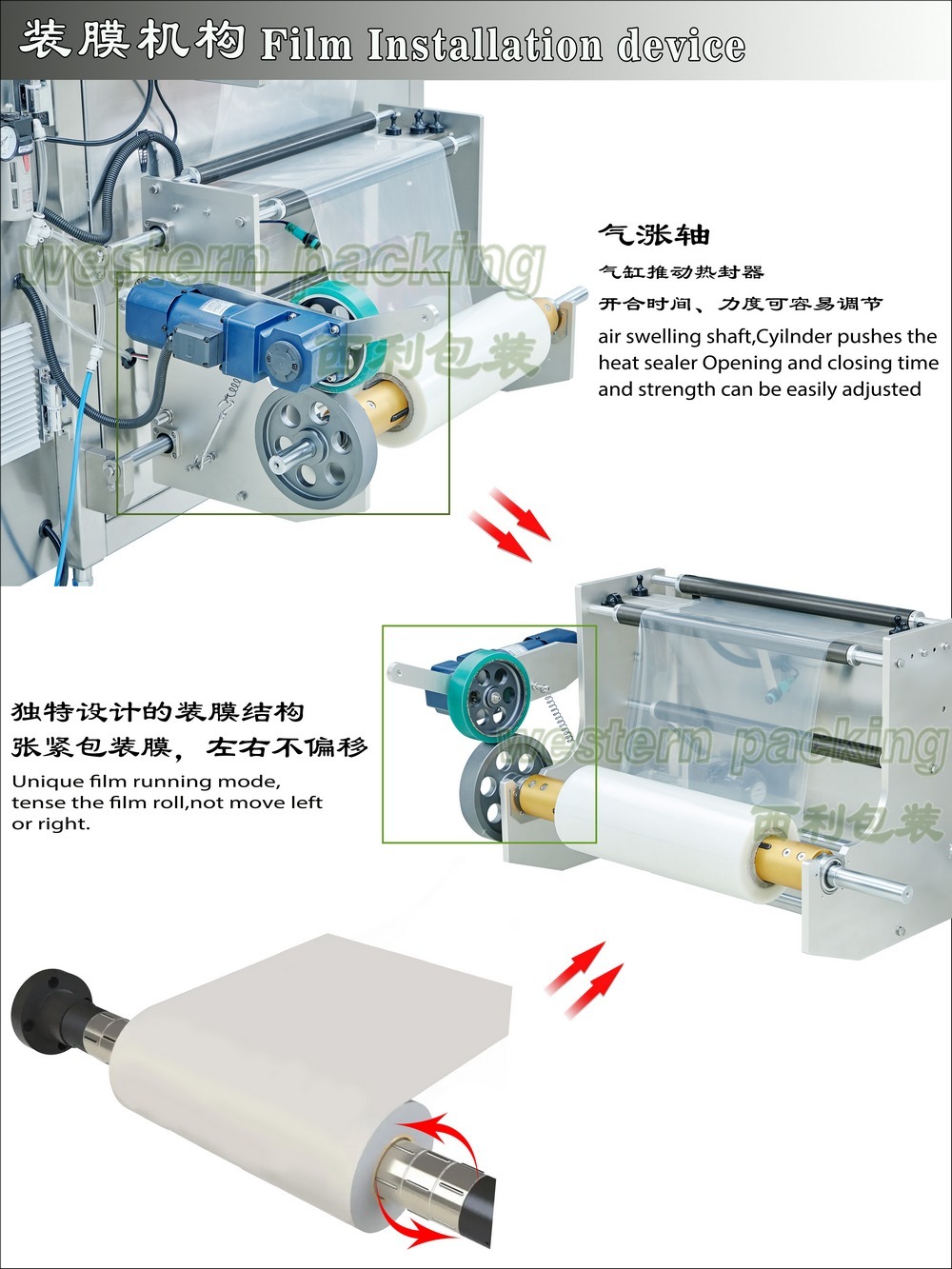
One of the primary advantages of rotary powder filling machines is their ability to handle high-speed production lines. These machines are designed to operate continuously, allowing for the rapid filling of various container types, including bottles, jars, and pouches. This capability not only increases throughput but also minimizes labor costs by reducing the need for manual filling processes.
In terms of accuracy, rotary powder filling machines are equipped with advanced technology that ensures precise measurement and dispensing of powder products. This is critical for industries where the correct dosage is paramount, such as pharmaceuticals, food and beverage, and chemicals. Many rotary machines utilize volumetric or gravimetric filling techniques, which can be tailored to the specific requirements of different powders, ensuring that each container is filled to the exact specification.
Another noteworthy feature of rotary powder filling machines is their versatility. These machines can be adjusted to accommodate various powder characteristics, including flowability, density, and particle size. This flexibility makes them suitable for a wide range of applications, from fine powders like talcum powder to coarser substances like granulated sugar. Additionally, many machines come with interchangeable parts, allowing for quick changeovers between different products and minimizing downtime.
Furthermore, rotary powder filling machines often incorporate advanced automation and control systems. This technology enables seamless integration with existing production lines and facilitates real-time monitoring of the filling process. Operators can easily adjust settings or troubleshoot issues, further enhancing efficiency and reducing the likelihood of errors.
The design of rotary powder filling machines also emphasizes hygiene and safety. Many models are constructed from stainless steel or other non-corrosive materials, ensuring compliance with industry cleanliness standards. Features such as easy disassembly for cleaning and maintenance also contribute to the longevity and reliability of the equipment.
In conclusion, rotary powder filling machines are a vital asset in the packaging machinery sector, particularly for businesses that require high efficiency, accuracy, and versatility in their powder filling processes. By investing in these machines, manufacturers can significantly enhance their production capabilities, improve product quality, and maintain competitive advantage in the marketplace. Understanding the key features and applications of rotary powder filling machines can help businesses make informed decisions about their packaging operations, ultimately leading to increased customer satisfaction and growth.
rotary powder filling machine

Innovations in Granule Packing Technology You Should Know
Innovations in Granule Packing Technology: A Comprehensive Guide Table of Contents Understanding Granule Packing Technology Importance of Granule Packing in Manufacturing Key Innovations in Granule Packing Technology The Role of Automation in Granule Packing Sustainable Packaging Solutions for Granules Advanced Sensors and Monitoring Systems Case Studies and Industry Examples Futu
2026-08-28
Maximize Efficiency with Advanced Tea Bag Packing Machines
In the realm of packaging machinery, tea bag packing machines represent a vital innovation for manufacturers in the tea industry. These specialized machines are designed to automate the tea bag production process, significantly increasing efficiency while maintaining the quality of the product. With the growing demand for convenient tea options, understanding the functionality and advantages of te
2026-08-27
How Food Packaging Machines Enhance Product Safety and Compliance
How Food Packaging Machines Enhance Product Safety and Compliance Table of Contents 1. Introduction to Food Packaging Machines 2. The Importance of Food Safety in Packaging 3. Types of Food Packaging Machines 4. Advanced Technologies in Food Packaging 5. Regulatory Compliance in Food Packaging 6. The Impact of Food Packaging on Product Safety 7. Best Practices for Food
2026-08-26


Head office :
112 ROBINSON ROAD #03-01 ROBINSON 112 ,SINGAPORE
HONGKONG BRANCH :
12/F ZJ 300 300 LOCKHART ROAD WAN
CHAI HK
GUANGZHOU BRANCH:
3th, Yilongjie Wulonggang, Zhongluotan, Baiyun district, Guangzhou,China
Subscribe to our newsletter and get professional packaging solution


SAF Coolest v1.3.1.2 设置面板 UFQSX-ANRV-PSSVE-XVF
无数据提示
Sorry, the current column is being updated, please look forward to it!