

The Role of a Paste Packing Machine in Modern Manufacturing
Date:
2024-12-07
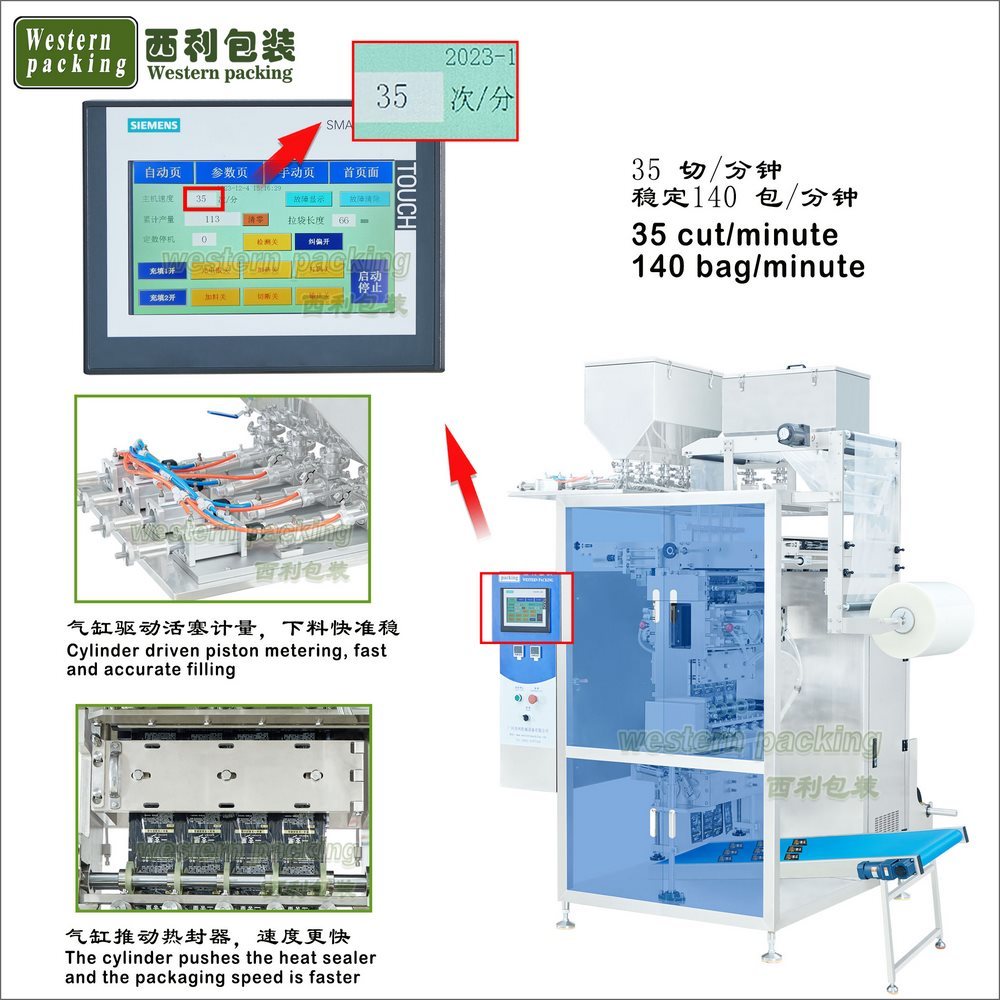
The Role of a Paste Packing Machine in Modern Manufacturing
In an ever-evolving manufacturing landscape, where efficiency and precision are paramount, the **paste packing machine** emerges as a pivotal player. These machines are designed to automate the packaging of paste-like substances, which are prevalent across various industries, including food, pharmaceuticals, and cosmetics. In this article, we will delve deep into the functionality, advantages, and applications of paste packing machines, showcasing how they have revolutionized manufacturing processes.
Table of Contents
1. What is a Paste Packing Machine?
2. How Does a Paste Packing Machine Work?
3. Benefits of Paste Packing Machines in Manufacturing
4. Applications of Paste Packing Machines
5. Choosing the Right Paste Packing Machine for Your Needs
6. Maintenance of Paste Packing Machines
7. The Future of Paste Packing Machines in Manufacturing
8. FAQs About Paste Packing Machines
9. Conclusion
What is a Paste Packing Machine?
A **paste packing machine** is a specialized device designed to package viscous substances into containers or packages. These machines are capable of handling a wide range of materials, from food products like sauces and spreads to industrial adhesives and pharmaceutical creams. Their design typically includes a hopper for holding the paste, a filling mechanism, and a sealing system to secure the packages once filled.
The primary function of these machines is to ensure accurate and efficient filling, allowing manufacturers to optimize their production lines. By automating the packing process, businesses can minimize human error, reduce waste, and increase the overall speed of production.
How Does a Paste Packing Machine Work?
Understanding how a paste packing machine operates reveals its significance in modern manufacturing. The process can be broken down into several key steps:
1. Material Loading
The paste material is loaded into the machine’s hopper. Depending on the machine type, this can be done manually or automatically.
2. Filling Mechanism
The machine utilizes a filling mechanism, which can be a piston, diaphragm, or gravity-fed system, to transfer the paste from the hopper into the containers. The choice of filling mechanism often depends on the viscosity of the paste and the desired filling accuracy.
3. Sealing and Packaging
Once the containers are filled, the machine proceeds to seal them. This step is vital in ensuring the product's longevity and safety. Sealing can involve various methods, such as heat sealing, induction sealing, or capping.
4. Quality Control
Many modern paste packing machines are equipped with sensors to perform quality control checks. These checks ensure that each package meets the required fill level and that the sealing is secure.
Benefits of Paste Packing Machines in Manufacturing
Utilizing paste packing machines in manufacturing offers numerous advantages:
1. Increased Efficiency
By automating the packing process, manufacturers can significantly increase their production speed. This efficiency allows for higher output within the same timeframe, enabling businesses to meet growing demand without compromising quality.
2. Consistency and Accuracy
Paste packing machines provide precise filling and sealing, ensuring that each package contains the exact amount of product. This consistency is crucial for maintaining product quality and compliance with regulations.
3. Reduced Labor Costs
With automation, the need for manual labor is substantially reduced. This not only lowers labor costs but also minimizes the risk of workplace injuries associated with repetitive tasks.
4. Enhanced Product Shelf Life
Proper sealing achieved by paste packing machines helps to extend the shelf life of products. By preventing air and contamination from entering the packaging, manufacturers can ensure that their products remain fresh for longer periods.
5. Versatility
Paste packing machines are highly versatile and can accommodate a wide range of paste-like materials. This adaptability makes them suitable for multiple industries, from food processing to pharmaceuticals.
Applications of Paste Packing Machines
The versatility of paste packing machines allows them to be used across various industries:
1. Food Industry
In the food sector, paste packing machines are commonly used for products like sauces, jams, and peanut butter. These machines ensure that food products are packaged efficiently while adhering to food safety standards.
2. Pharmaceuticals
Pharmaceutical companies utilize paste packing machines for creams, ointments, and gels. The accuracy and hygiene maintained by these machines are crucial for compliance with health regulations.
3. Cosmetics
In the cosmetics industry, paste packing machines are used for packaging creams, lotions, and gels, ensuring that the products are delivered in a clean and efficient manner.
4. Industrial Applications
Beyond food and personal care, paste packing machines are also used in industrial applications for products like adhesives, sealants, and lubricants, where precise packaging is essential.
Choosing the Right Paste Packing Machine for Your Needs
Selecting the appropriate paste packing machine involves considering several factors:
1. Type of Paste
Understanding the properties of the paste to be packaged is crucial. Consider viscosity, granularity, and temperature requirements when selecting a machine.
2. Production Volume
Assess your production needs. High-volume operations may require machines capable of handling large batches efficiently.
3. Packaging Options
Different machines offer various packaging types, including pouches, jars, and tubes. Choose a machine that aligns with your packaging requirements.
4. Budget
Evaluate your budget. While investing in high-quality machinery is essential, consider the long-term savings that automation can provide.
5. Manufacturer Support
Consider the reputation and support offered by the machine manufacturer. A reliable support team can assist with installation, training, and maintenance, ensuring smooth operation.
Maintenance of Paste Packing Machines
Regular maintenance of paste packing machines is essential for optimal performance:
1. Routine Cleaning
Keep the machine clean to prevent contamination. Regularly clean all parts that come in contact with the paste.
2. Calibration
Periodically calibrate the machine to ensure accurate filling. This step is vital for maintaining product quality and compliance.
3. Component Inspection
Inspect components regularly for wear and tear. Promptly replace any damaged parts to prevent operational issues.
4. Lubrication
Ensure that all moving parts are adequately lubricated to reduce friction and wear, prolonging the life of the machine.
The Future of Paste Packing Machines in Manufacturing
As technology advances, the future of paste packing machines looks promising:
1. Smart Technology Integration
The integration of smart technology, such as IoT devices, is set to enhance the efficiency of paste packing machines. Real-time data analytics can optimize performance and predict maintenance needs.
2. Sustainability
With growing concerns about sustainability, manufacturers are focusing on eco-friendly packaging solutions. Future paste packing machines may incorporate biodegradable materials and energy-efficient processes.
3. Customization
Customization will play an increasingly important role. Future machines may offer more flexible configurations to accommodate unique production needs.
FAQs About Paste Packing Machines
1. What types of products can be packaged using a paste packing machine?
A paste packing machine can package a wide range of products including sauces, creams, ointments, adhesives, and other paste-like substances.
2. How do I maintain my paste packing machine?
Regular cleaning, calibration, component inspection, and lubrication are essential maintenance practices for paste packing machines.
3. Are paste packing machines suitable for small-scale production?
Yes, there are paste packing machines designed for small-scale production. It's essential to choose a machine that fits your specific volume requirements.
4. Can I automate my existing paste packing process?
Yes, many manufacturers offer retrofitting options to automate existing paste packing processes, enhancing efficiency without a complete system overhaul.
5. What should I consider when selecting a paste packing machine?
Consider factors such as the type of paste, production volume, packaging options, budget, and manufacturer support when selecting a paste packing machine.
Conclusion
The **paste packing machine** plays a vital role in modern manufacturing, offering unparalleled efficiency, accuracy, and versatility. As industries continue to evolve, these machines are poised to adapt to new challenges and opportunities, further enhancing production capabilities. By investing in the right paste packing machine, businesses can not only improve their operational efficiency but also ensure that they meet the increasingly demanding standards of quality and safety. Embracing this technology is essential for manufacturers looking to stay competitive in a fast-paced market.
paste packing machine

Innovations in Granule Packing Technology You Should Know
Innovations in Granule Packing Technology: A Comprehensive Guide Table of Contents Understanding Granule Packing Technology Importance of Granule Packing in Manufacturing Key Innovations in Granule Packing Technology The Role of Automation in Granule Packing Sustainable Packaging Solutions for Granules Advanced Sensors and Monitoring Systems Case Studies and Industry Examples Futu
2026-08-28
Maximize Efficiency with Advanced Tea Bag Packing Machines
In the realm of packaging machinery, tea bag packing machines represent a vital innovation for manufacturers in the tea industry. These specialized machines are designed to automate the tea bag production process, significantly increasing efficiency while maintaining the quality of the product. With the growing demand for convenient tea options, understanding the functionality and advantages of te
2026-08-27
How Food Packaging Machines Enhance Product Safety and Compliance
How Food Packaging Machines Enhance Product Safety and Compliance Table of Contents 1. Introduction to Food Packaging Machines 2. The Importance of Food Safety in Packaging 3. Types of Food Packaging Machines 4. Advanced Technologies in Food Packaging 5. Regulatory Compliance in Food Packaging 6. The Impact of Food Packaging on Product Safety 7. Best Practices for Food
2026-08-26


Head office :
112 ROBINSON ROAD #03-01 ROBINSON 112 ,SINGAPORE
HONGKONG BRANCH :
12/F ZJ 300 300 LOCKHART ROAD WAN
CHAI HK
GUANGZHOU BRANCH:
3th, Yilongjie Wulonggang, Zhongluotan, Baiyun district, Guangzhou,China
Subscribe to our newsletter and get professional packaging solution


SAF Coolest v1.3.1.2 设置面板 UFQSX-ANRV-PSSVE-XVF
无数据提示
Sorry, the current column is being updated, please look forward to it!