

The Environmental Impact of Sauce Container Packing Machines: A Sustainable Approach
Date:
2024-12-01
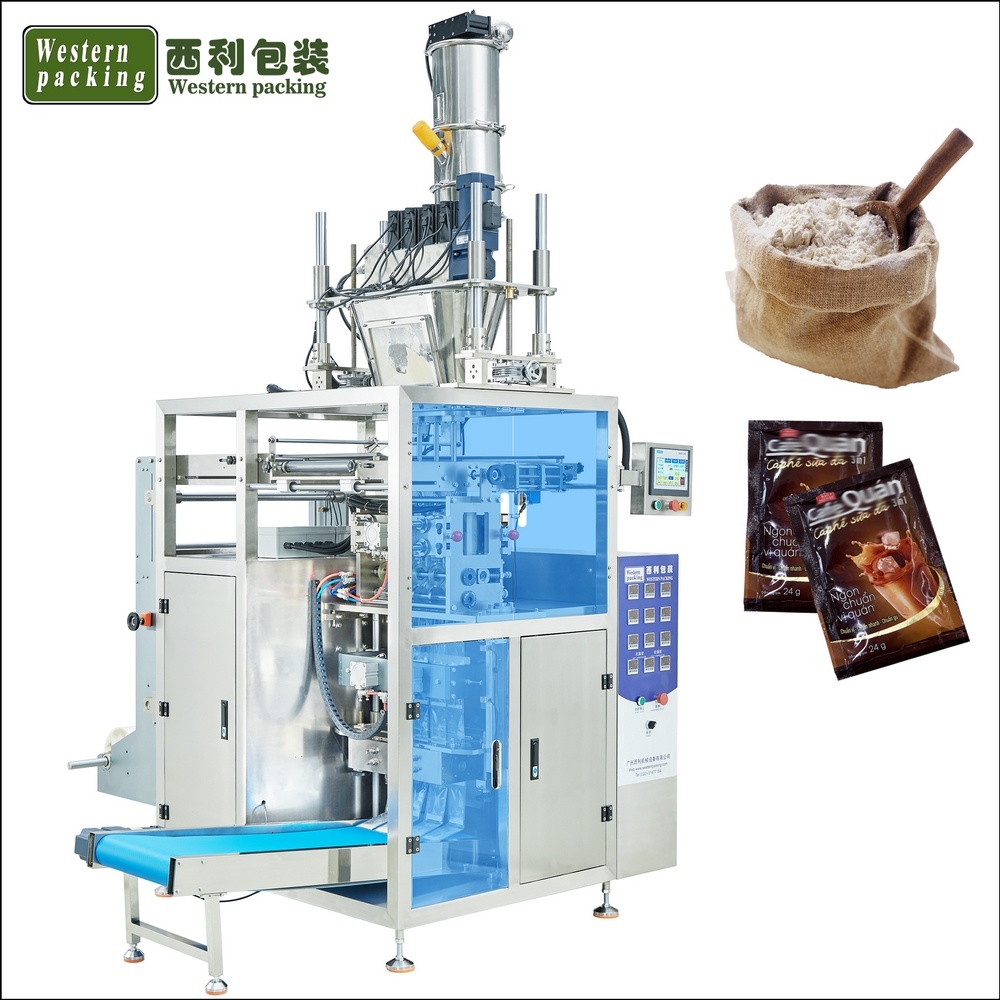
The Environmental Impact of Sauce Container Packing Machines: A Sustainable Approach
Table of Contents
- Introduction to Sauce Container Packing Machines
- Understanding the Environmental Impact
- Sustainable Practices in Sauce Container Packaging
- Innovative Technologies in Packaging Machines
- Recycling and Waste Management in the Packaging Industry
- Case Studies: Successful Sustainable Implementations
- Future Trends in Sauce Packaging Sustainability
- Conclusion: A Greener Approach for the Future
- FAQs
Introduction to Sauce Container Packing Machines
In today's rapidly evolving industrial landscape, **sauce container packing machines** play a vital role in ensuring products reach consumers efficiently. These machines automate the packing process, improving productivity while maintaining quality standards. However, this convenience comes with significant environmental implications. As manufacturers strive for efficiency, they also recognize the urgent need to address their ecological footprint. This article explores the environmental impact of sauce container packing machines and presents a sustainable approach to packaging.
Understanding the Environmental Impact
The environmental impact of sauce container packing machines can be examined through several lenses:
1. Energy Consumption
Manufacturing and operating packing machines require substantial energy, often derived from non-renewable sources. This energy consumption contributes to greenhouse gas emissions, thus exacerbating climate change. Companies must analyze their energy sources and explore renewable options to mitigate these effects.
2. Material Waste
Packaging materials, especially plastics, are a major contributor to waste in the sauce industry. Inefficient packing processes can result in overuse of materials, leading to increased waste. Understanding how to optimize material usage is key to reducing environmental impact.
3. Water Usage
The water footprint of manufacturing processes is often overlooked. The production of packing materials and cleaning processes in packing plants can lead to significant water consumption. Companies should implement water conservation techniques to minimize this usage.
Sustainable Practices in Sauce Container Packaging
Adopting sustainable practices is essential for reducing the environmental impact of sauce container packing machines. Here are several strategies companies can implement:
1. Utilizing Eco-Friendly Materials
Switching to biodegradable or recyclable materials can significantly reduce the environmental impact of packaging. Many manufacturers are now sourcing materials that minimize ecological harm and improve the recyclability of their products.
2. Improving Production Efficiency
By optimizing machine settings and reducing downtime, manufacturers can increase efficiency, thereby reducing energy consumption. Investing in energy-efficient machines can also lead to significant reductions in carbon emissions.
3. Implementing a Circular Economy Model
Adopting a circular economy approach allows companies to design products for longevity and recyclability. This model emphasizes the reuse of materials, reducing waste and promoting sustainability across the supply chain.
Innovative Technologies in Packaging Machines
Technological advancements are paving the way for more sustainable practices in the sauce packaging industry:
1. Automation and Smart Technologies
Utilizing automation and smart technologies can optimize production processes, minimizing waste and energy use. Smart sensors can monitor energy consumption in real time, allowing companies to make necessary adjustments.
2. Advanced Recycling Technologies
Innovations in recycling technologies enable manufacturers to recycle previously non-recyclable materials. By investing in these technologies, companies can significantly reduce their waste output.
3. Energy-Efficient Machines
New designs in packing machines focus on **energy efficiency** without compromising performance. These machines often have lower energy requirements and can help manufacturers achieve sustainability goals.
Recycling and Waste Management in the Packaging Industry
Effective recycling and waste management strategies are crucial for minimizing environmental impact. Companies should consider the following:
1. Waste Audits
Conducting regular waste audits can help identify areas for improvement in recycling and waste management practices. Companies can analyze their waste streams and derive actionable insights to reduce overall waste.
2. Employee Training
Training employees on sustainable practices and recycling can create a culture of environmental responsibility within the organization. Engaged employees are more likely to contribute to sustainability efforts actively.
3. Partnership with Recycling Facilities
Forming partnerships with local recycling facilities can streamline the recycling process for manufacturers. These partnerships ensure that waste materials are disposed of responsibly and efficiently.
Case Studies: Successful Sustainable Implementations
Examining successful case studies can provide valuable insights into effective sustainable practices:
1. Case Study: Company A
Company A implemented a comprehensive sustainability plan that included the transition to biodegradable materials and energy-efficient technology. As a result, they reduced their carbon footprint by 30% over five years.
2. Case Study: Company B
Company B adopted a circular economy model, redesigning their packaging to be fully recyclable. This initiative not only reduced waste but also improved their brand image and customer loyalty.
3. Case Study: Company C
Company C invested in advanced recycling technologies that allowed them to recycle previously non-recyclable materials. This innovation decreased their waste output by 40%, showcasing the benefits of technological investment.
Future Trends in Sauce Packaging Sustainability
As awareness of environmental issues grows, several trends are emerging in sauce packaging sustainability:
1. Increased Consumer Demand for Sustainability
Consumers are increasingly seeking eco-friendly options. Companies must adapt to this demand by investing in sustainable practices and marketing their efforts transparently.
2. Advancements in Biodegradable Materials
The development of biodegradable materials is rapidly advancing, enabling manufacturers to replace traditional plastics with more sustainable options. This trend is likely to accelerate as technology progresses.
3. Growth of Sustainable Certifications
More organizations are pursuing sustainability certifications to enhance credibility with consumers and partners. These certifications can serve as a marketing tool while reinforcing a commitment to environmentally responsible practices.
Conclusion: A Greener Approach for the Future
The environmental impact of sauce container packing machines is significant, but through the adoption of sustainable practices and innovative technologies, the packaging industry can mitigate this impact. By focusing on energy efficiency, waste reduction, and the use of eco-friendly materials, manufacturers can not only contribute to a healthier planet but also meet the growing consumer demand for sustainable products. As the industry moves forward, a commitment to sustainability will be paramount in shaping a greener future for sauce packaging.
FAQs
1. What are the environmental impacts of sauce container packing machines?
The main environmental impacts include high energy consumption, material waste, and significant water usage.
2. How can companies make their packaging more sustainable?
Companies can utilize biodegradable materials, improve production efficiency, and adopt a circular economy model.
3. What role does technology play in sustainable packaging?
Technology enhances efficiency, reduces waste, and allows for the recycling of materials that were previously non-recyclable.
4. What are some examples of successful sustainability initiatives in the packaging industry?
Examples include companies that have transitioned to biodegradable materials and implemented circular economy models that enhance recyclability.
5. Why is consumer demand for sustainable packaging increasing?
Consumer awareness of environmental issues is rising, leading to a preference for eco-friendly products and packaging.
This comprehensive exploration of the environmental impact of sauce container packing machines highlights the necessity for sustainable practices in the industry. By adopting innovative technologies and fostering a culture of sustainability, manufacturers can not only improve their ecological footprint but also cater to an increasingly environmentally-conscious consumer base.
sauce container packing machine

Innovations in Granule Packing Technology You Should Know
Innovations in Granule Packing Technology: A Comprehensive Guide Table of Contents Understanding Granule Packing Technology Importance of Granule Packing in Manufacturing Key Innovations in Granule Packing Technology The Role of Automation in Granule Packing Sustainable Packaging Solutions for Granules Advanced Sensors and Monitoring Systems Case Studies and Industry Examples Futu
2026-08-28
Maximize Efficiency with Advanced Tea Bag Packing Machines
In the realm of packaging machinery, tea bag packing machines represent a vital innovation for manufacturers in the tea industry. These specialized machines are designed to automate the tea bag production process, significantly increasing efficiency while maintaining the quality of the product. With the growing demand for convenient tea options, understanding the functionality and advantages of te
2026-08-27
How Food Packaging Machines Enhance Product Safety and Compliance
How Food Packaging Machines Enhance Product Safety and Compliance Table of Contents 1. Introduction to Food Packaging Machines 2. The Importance of Food Safety in Packaging 3. Types of Food Packaging Machines 4. Advanced Technologies in Food Packaging 5. Regulatory Compliance in Food Packaging 6. The Impact of Food Packaging on Product Safety 7. Best Practices for Food
2026-08-26


Head office :
112 ROBINSON ROAD #03-01 ROBINSON 112 ,SINGAPORE
HONGKONG BRANCH :
12/F ZJ 300 300 LOCKHART ROAD WAN
CHAI HK
GUANGZHOU BRANCH:
3th, Yilongjie Wulonggang, Zhongluotan, Baiyun district, Guangzhou,China
Subscribe to our newsletter and get professional packaging solution


SAF Coolest v1.3.1.2 设置面板 UFQSX-ANRV-PSSVE-XVF
无数据提示
Sorry, the current column is being updated, please look forward to it!