

Understanding Small Juice Packing Machines: Key Features and Benefits
Date:
2024-11-28
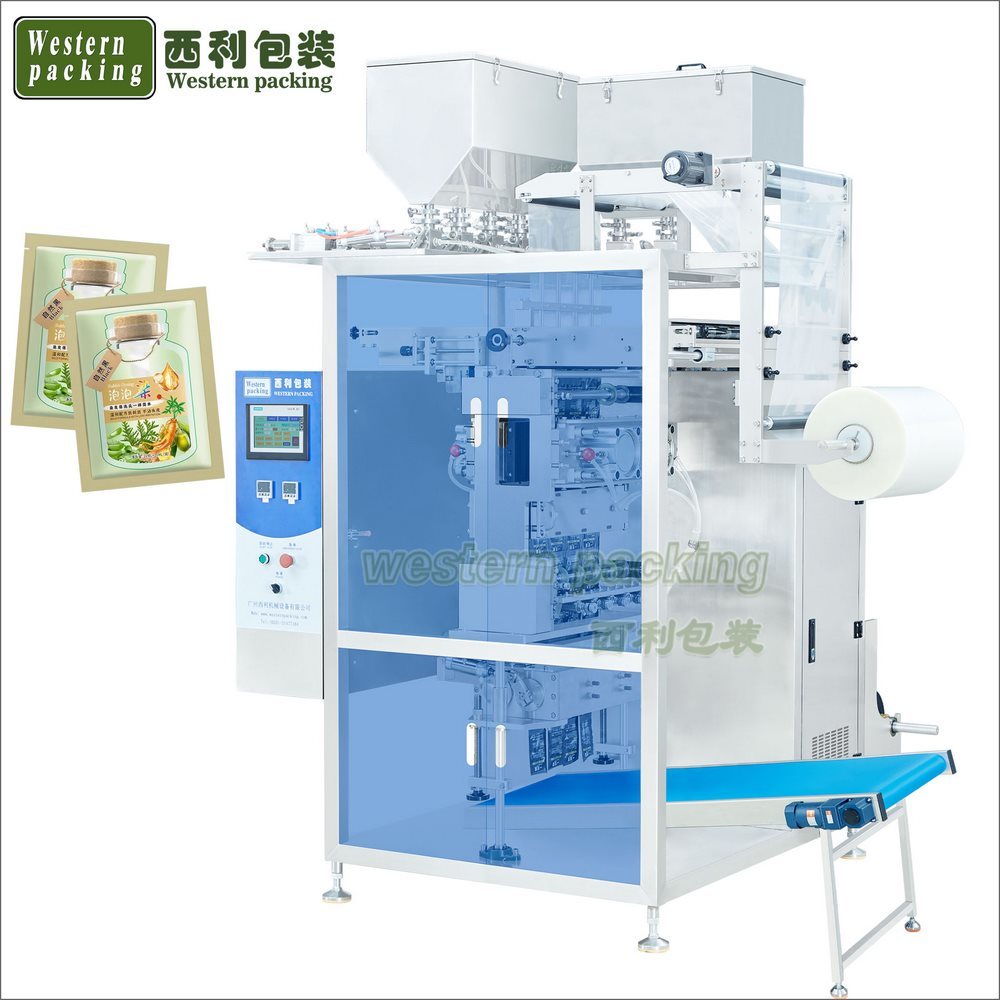
One of the primary features of small juice packing machines is their versatility. They can handle different types of packaging materials, including plastic bottles, cartons, and pouches. This flexibility allows businesses to choose the most suitable packaging for their product, which can significantly impact shelf life and consumer appeal. Furthermore, many small juice packing machines are equipped with adjustable settings that cater to different fill volumes, ensuring that various product sizes can be packaged without issues.
Efficiency is another key benefit of using small juice packing machines. These machines are engineered to operate at high speeds while maintaining precision in filling and sealing. This high throughput not only helps manufacturers meet growing consumer demands but also reduces labor costs, as fewer operators are needed to manage the packaging process. Many machines offer automated features such as bottle feeding, filling, capping, and labeling, which streamline the workflow and minimize the risk of human error.
Hygiene is paramount in the food and beverage industry, and small juice packing machines are designed with this in mind. Most models are constructed from stainless steel or other food-grade materials, ensuring they can withstand frequent cleaning and sanitization. Additionally, many machines are equipped with advanced technology that minimizes product contamination during the filling process, thus enhancing the safety and quality of the packaged juice.
Moreover, small juice packing machines can be tailored to fit the specific needs of a business. Whether producing organic juices, specialty blends, or ready-to-drink options, manufacturers can find machines that accommodate their unique requirements. This customization can lead to better product presentation and improved marketability, ultimately increasing sales potential.
Lastly, investing in a small juice packing machine can lead to long-term cost savings. By improving the packaging process, manufacturers can reduce waste, minimize downtime, and enhance overall production efficiency. This not only contributes to a better bottom line but also supports sustainable practices, which are increasingly important to consumers.
In conclusion, small juice packing machines are an essential investment for any business in the beverage industry. Their versatility, efficiency, hygiene, and customization options make them an invaluable asset in the packaging process. By understanding the benefits and features of these machines, manufacturers can make informed decisions that enhance their operations and better serve their customers.
small juice packing machine

Innovations in Granule Packing Technology You Should Know
Innovations in Granule Packing Technology: A Comprehensive Guide Table of Contents Understanding Granule Packing Technology Importance of Granule Packing in Manufacturing Key Innovations in Granule Packing Technology The Role of Automation in Granule Packing Sustainable Packaging Solutions for Granules Advanced Sensors and Monitoring Systems Case Studies and Industry Examples Futu
2026-08-28
Maximize Efficiency with Advanced Tea Bag Packing Machines
In the realm of packaging machinery, tea bag packing machines represent a vital innovation for manufacturers in the tea industry. These specialized machines are designed to automate the tea bag production process, significantly increasing efficiency while maintaining the quality of the product. With the growing demand for convenient tea options, understanding the functionality and advantages of te
2026-08-27
How Food Packaging Machines Enhance Product Safety and Compliance
How Food Packaging Machines Enhance Product Safety and Compliance Table of Contents 1. Introduction to Food Packaging Machines 2. The Importance of Food Safety in Packaging 3. Types of Food Packaging Machines 4. Advanced Technologies in Food Packaging 5. Regulatory Compliance in Food Packaging 6. The Impact of Food Packaging on Product Safety 7. Best Practices for Food
2026-08-26


Head office :
112 ROBINSON ROAD #03-01 ROBINSON 112 ,SINGAPORE
HONGKONG BRANCH :
12/F ZJ 300 300 LOCKHART ROAD WAN
CHAI HK
GUANGZHOU BRANCH:
3th, Yilongjie Wulonggang, Zhongluotan, Baiyun district, Guangzhou,China
Subscribe to our newsletter and get professional packaging solution


SAF Coolest v1.3.1.2 设置面板 UFQSX-ANRV-PSSVE-XVF
无数据提示
Sorry, the current column is being updated, please look forward to it!