

Maximizing Shelf Life: The Science Behind Milk Packing Machines
Date:
2024-11-25
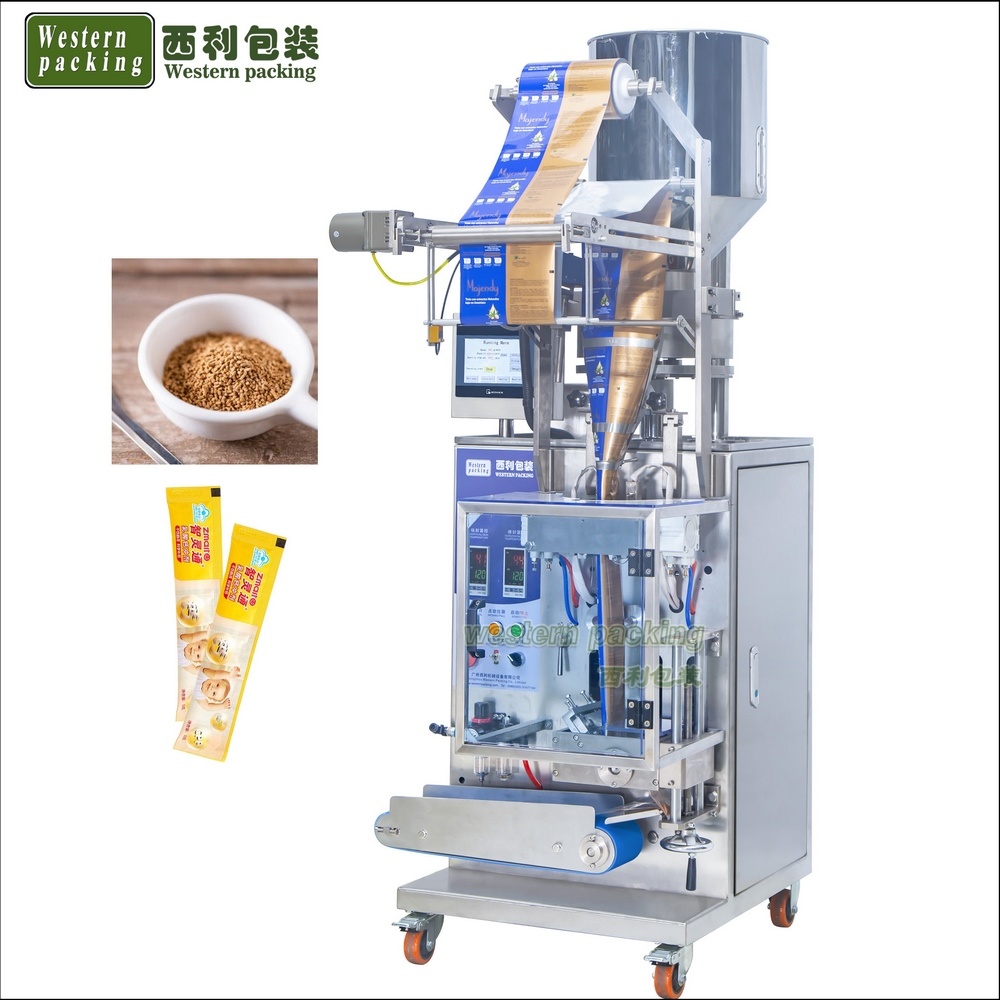
Maximizing Shelf Life: The Science Behind Milk Packing Machines
Table of Contents
1. Introduction to Milk Packing Machines
2. The Importance of Shelf Life in Dairy Products
3. Key Technologies Used in Milk Packing
3.1 Pasteurization Techniques
3.2 Vacuum Sealing
3.3 Aseptic Packaging
4. Factors Affecting Milk Shelf Life
4.1 Temperature Control
4.2 Light Exposure
4.3 Oxygen Levels
5. Best Practices for Milk Packing
6. Common Misconceptions About Milk Shelf Life
7. Future Trends in Milk Packing Technology
8. Frequently Asked Questions (FAQs)
9. Conclusion
1. Introduction to Milk Packing Machines
Milk packing machines play a crucial role in the dairy sector, where preserving the quality and safety of milk is paramount. These machines are designed to package milk efficiently, ensuring that it remains fresh for extended periods. From small-scale dairies to large industrial producers, the right packing technology can significantly impact product longevity and quality.
2. The Importance of Shelf Life in Dairy Products
In the dairy industry, shelf life is a critical factor that affects consumer satisfaction and business profitability. The longer milk can stay fresh and safe, the better it is for retailers and consumers alike. Understanding the science behind shelf life not only helps manufacturers refine their processes but also allows them to meet stringent health regulations.
3. Key Technologies Used in Milk Packing
The evolution of milk packing technology has introduced several groundbreaking methods that extend shelf life while maintaining the quality of the product.
3.1 Pasteurization Techniques
One of the primary methods used in milk packing machines is pasteurization. This process involves heating milk to kill harmful bacteria while preserving its nutritional value. High-Temperature Short-Time (HTST) pasteurization is the most common technique, effectively extending the milk’s shelf life without compromising taste or quality.
3.2 Vacuum Sealing
Vacuum sealing is another effective technology that helps to maximize shelf life. By removing air from the packaging, vacuum sealing reduces oxidation, which can lead to spoilage. This method is particularly useful for flavored or processed milk products, as it helps maintain their freshness and prevents spoilage.
3.3 Aseptic Packaging
Aseptic packaging is an advanced technique where milk is packed in a sterile environment. This process ensures that both the milk and the packaging are free from microorganisms, which can cause spoilage. Aseptic packaging can extend shelf life significantly, allowing milk to be stored at room temperature for extended periods, making it ideal for global distribution.
4. Factors Affecting Milk Shelf Life
Several factors influence the shelf life of milk, and understanding these can help in selecting the right packing solutions.
4.1 Temperature Control
Temperature is one of the most significant factors in determining milk shelf life. Keeping milk at a consistent low temperature slows the growth of bacteria, which helps maintain freshness. Milk should ideally be stored at temperatures below 4°C (39°F) from the time of packing until it reaches the consumer.
4.2 Light Exposure
Light exposure can also degrade milk quality, leading to off-flavors and spoilage. This phenomenon, known as light-induced oxidation, can be mitigated through the use of opaque or UV-blocking packaging materials, which prevent light from reaching the milk and causing deterioration.
4.3 Oxygen Levels
Oxygen is a key player in the spoilage process of milk. It promotes the growth of bacteria and leads to the oxidation of fats. By utilizing vacuum sealing or inert gas flushing techniques, manufacturers can effectively reduce the oxygen levels in milk packaging, thus prolonging shelf life.
5. Best Practices for Milk Packing
To optimize the shelf life of milk, adhering to best practices is essential. Here are some recommended strategies:
- **Maintain Optimal Temperature**: Ensure that refrigeration units are regularly maintained and monitored to keep milk at the correct temperature.
- **Utilize Quality Packaging Materials**: Invest in high-quality packaging that minimizes light exposure and oxygen infiltration.
- **Implement Regular Quality Testing**: Conduct routine testing of milk for microbial contamination and spoilage indicators to ensure product safety.
- **Train Staff on Handling Procedures**: Educate employees on the importance of proper handling and storage of milk products to prevent contamination.
6. Common Misconceptions About Milk Shelf Life
Misunderstandings about milk shelf life can lead to waste and consumer dissatisfaction. Some common misconceptions include:
- **“Milk is safe until its expiration date”**: While the expiration date is a guideline, it does not guarantee safety after that date. Proper storage and handling are crucial.
- **“All types of milk have the same shelf life”**: Different milk products, such as whole milk, skim milk, and flavored milk, have varying shelf lives based on their fat content and processing methods.
- **“Once opened, milk lasts just a few days”**: With proper handling, opened milk can last for up to a week, although it’s best to check for signs of spoilage.
7. Future Trends in Milk Packing Technology
The dairy industry is continually evolving, and so too are the technologies used in milk packing. Some emerging trends include:
- **Sustainable Packaging Solutions**: With an increasing focus on environmental impact, many manufacturers are exploring biodegradable and recyclable packaging options.
- **Smart Packaging**: Technology such as QR codes and sensors that monitor freshness is becoming more common, providing consumers with real-time information about the quality of their milk.
- **Enhanced Preservation Techniques**: Research into natural preservatives and modified atmosphere packaging is ongoing, offering new ways to extend shelf life without compromising quality.
8. Frequently Asked Questions (FAQs)
1. How long does milk last after opening?
Typically, milk can last about 5 to 7 days after opening when stored properly in the refrigerator.
2. Does freezing milk affect its quality?
Yes, freezing milk can change its texture and make it grainy upon thawing, but it is safe to consume.
3. What are the signs that milk has gone bad?
Signs of spoilage include sour smell, off-flavors, and curdling texture.
4. Can pasteurized milk spoil?
Yes, pasteurized milk can still spoil if it is not stored properly or if it is kept beyond its shelf life.
5. Is aseptic packaging safe for milk?
Yes, aseptic packaging is considered safe and effective for extending the shelf life of milk by preventing microbial contamination.
9. Conclusion
Maximizing shelf life is an essential aspect of milk packing technology. By understanding the science behind milk preservation methods, manufacturers can implement strategies that not only enhance product quality but also meet consumer demands for fresh and safe dairy products. As the dairy industry continues to innovate, staying informed about emerging technologies and best practices will be crucial for ensuring the longevity and safety of milk products in the marketplace. The right packing machine is not just a piece of equipment; it is a vital part of the dairy supply chain that helps deliver fresh and nutritious milk to consumers worldwide.
packing machine milk

Innovations in Granule Packing Technology You Should Know
Innovations in Granule Packing Technology: A Comprehensive Guide Table of Contents Understanding Granule Packing Technology Importance of Granule Packing in Manufacturing Key Innovations in Granule Packing Technology The Role of Automation in Granule Packing Sustainable Packaging Solutions for Granules Advanced Sensors and Monitoring Systems Case Studies and Industry Examples Futu
2026-08-28
Maximize Efficiency with Advanced Tea Bag Packing Machines
In the realm of packaging machinery, tea bag packing machines represent a vital innovation for manufacturers in the tea industry. These specialized machines are designed to automate the tea bag production process, significantly increasing efficiency while maintaining the quality of the product. With the growing demand for convenient tea options, understanding the functionality and advantages of te
2026-08-27
How Food Packaging Machines Enhance Product Safety and Compliance
How Food Packaging Machines Enhance Product Safety and Compliance Table of Contents 1. Introduction to Food Packaging Machines 2. The Importance of Food Safety in Packaging 3. Types of Food Packaging Machines 4. Advanced Technologies in Food Packaging 5. Regulatory Compliance in Food Packaging 6. The Impact of Food Packaging on Product Safety 7. Best Practices for Food
2026-08-26


Head office :
112 ROBINSON ROAD #03-01 ROBINSON 112 ,SINGAPORE
HONGKONG BRANCH :
12/F ZJ 300 300 LOCKHART ROAD WAN
CHAI HK
GUANGZHOU BRANCH:
3th, Yilongjie Wulonggang, Zhongluotan, Baiyun district, Guangzhou,China
Subscribe to our newsletter and get professional packaging solution


SAF Coolest v1.3.1.2 设置面板 UFQSX-ANRV-PSSVE-XVF
无数据提示
Sorry, the current column is being updated, please look forward to it!