

Why a Rotary Powder Filling Machine is Essential for Your Production Line
Date:
2024-10-28
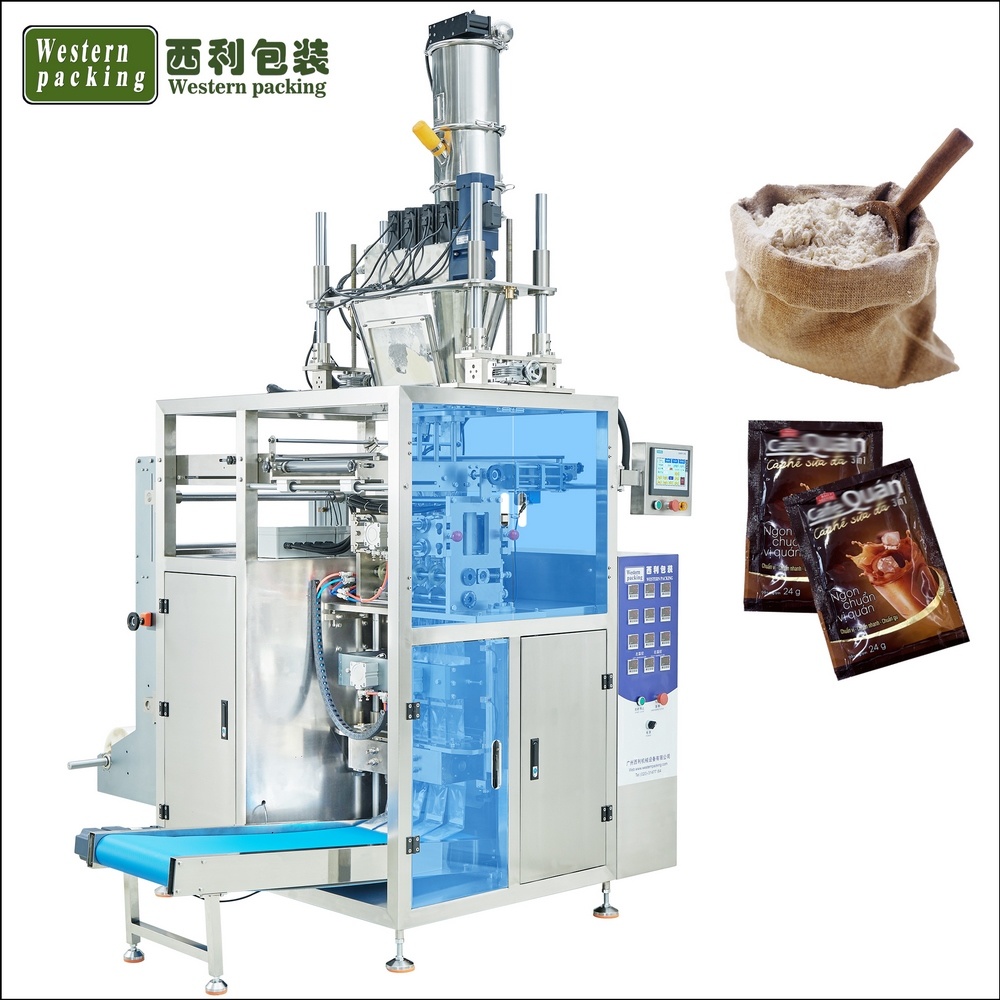
Why a Rotary Powder Filling Machine is Essential for Your Production Line
Table of Contents
- 1. Introduction to Rotary Powder Filling Machines
- 2. Key Benefits of Using a Rotary Powder Filling Machine
- 3. How Does a Rotary Powder Filling Machine Work?
- 4. Industries and Applications of Rotary Powder Filling Machines
- 5. Selecting the Right Rotary Powder Filling Machine
- 6. Maintenance Tips for Rotary Powder Filling Machines
- 7. Cost-Benefit Analysis of Rotary Powder Filling Machines
- 8. Future Trends in Rotary Powder Filling Technology
- 9. Frequently Asked Questions (FAQs)
- 10. Conclusion
1. Introduction to Rotary Powder Filling Machines
In the fast-paced world of manufacturing, efficiency and precision are paramount. **Rotary powder filling machines** have emerged as a critical component in the production line, revolutionizing the way businesses handle powdered products. Designed for high-speed operations, these machines ensure that the right amount of product is dispensed into packaging with minimal waste.
The **essence of rotary powder filling technology** lies in its ability to cater to a wide range of industries, from food and pharmaceuticals to chemicals and cosmetics. Understanding how these machines work and their immense benefits can significantly impact your production efficiency.
2. Key Benefits of Using a Rotary Powder Filling Machine
Rotary powder filling machines offer numerous advantages over traditional filling methods. Here are some key benefits:
Enhanced Precision and Accuracy
With advanced technology, rotary powder filling machines provide **high precision** in measuring and dispensing powders. This minimizes the risk of overfilling or underfilling, ensuring product quality and consistency.
Increased Efficiency and Speed
These machines are engineered for speed, capable of filling thousands of containers in an hour. This increase in throughput can lead to significant improvements in overall production efficiency.
Reduced Labor Costs
Automating the filling process reduces the need for manual labor, which can decrease operational costs. Fewer workers are required for filling, allowing your team to focus on other essential tasks.
Versatility
Rotary powder filling machines are versatile and can handle a variety of powders, including those that are free-flowing or have specific properties that require careful handling.
Better Hygiene and Safety
These machines are designed with hygiene in mind, often featuring easy-to-clean components. This is particularly important in industries like food and pharmaceuticals, where contamination can lead to serious issues.
3. How Does a Rotary Powder Filling Machine Work?
Understanding how a rotary powder filling machine operates can help you appreciate its efficiency. Here’s a breakdown of the filling process:
Feeding Mechanism
Most rotary powder filling machines utilize a hopper to hold the powder. The feeding mechanism ensures a consistent flow of powder into the filling station.
Container Placement
Containers are placed on a rotating table, allowing for **continuous filling** without the need for manual intervention. As the table rotates, each container moves into position beneath the filling nozzle.
Filling Cycle
Once in position, the filling nozzle dispenses the predetermined amount of powder into the container. Advanced sensors detect the fill level, ensuring accuracy.
Sealing and Ejecting
After filling, containers are sealed (if applicable) and ejected from the machine, ready for the next cycle. This streamlined process enhances the overall efficiency of the production line.
4. Industries and Applications of Rotary Powder Filling Machines
Rotary powder filling machines are utilized across various industries, each with unique requirements:
Food Industry
In food production, these machines are used for filling powdered products like flour, sugar, spices, and protein powders. The precision of filling ensures compliance with industry standards.
Pharmaceutical Industry
Pharmaceutical companies use rotary powder filling machines for filling capsules and bottles with powdered medications. The accuracy and hygiene standards are critical in this sector.
Chemical Industry
In the chemical industry, rotary filling machines handle powdered chemicals, ensuring safe and efficient packaging while minimizing exposure to hazardous materials.
Cosmetics Industry
Cosmetic products, such as powders and foundations, are also filled using rotary machines, providing the necessary precision for product quality.
5. Selecting the Right Rotary Powder Filling Machine
Choosing the right rotary powder filling machine involves several considerations:
Product Characteristics
Consider the type of powder you will be filling. Some machines are better suited for specific types of powders, such as fine powders or granulates.
Production Capacity
Evaluate your production requirements. Ensure that the machine can meet your desired output rates.
Budget
Set a budget that includes not only the initial purchase price but also maintenance and operational costs over time.
Technology and Automation Level
Consider how automated you want your filling process to be. Higher automation can lead to greater efficiency but may come with a higher price tag.
6. Maintenance Tips for Rotary Powder Filling Machines
Proper maintenance is crucial for ensuring the longevity and efficiency of your rotary powder filling machine. Here are some essential maintenance tips:
Regular Cleaning
Routine cleaning is essential to avoid contamination and ensure smooth operation. Follow the manufacturer’s guidelines for cleaning procedures.
Routine Inspections
Conduct regular inspections to identify any wear and tear on components. Early detection can prevent costly breakdowns.
Calibration
Regularly calibrate the machine to ensure accurate filling. This is especially important in industries where precise measurements are critical.
Lubrication
Keep all moving parts well-lubricated to reduce friction and wear, ensuring smooth operation.
7. Cost-Benefit Analysis of Rotary Powder Filling Machines
Investing in a rotary powder filling machine can be a significant upfront expense. However, conducting a cost-benefit analysis can reveal substantial long-term savings:
Initial Costs vs. Long-term Savings
Compare the initial investment with potential savings on labor, waste, and increased production efficiency. **Automation** often results in greater savings over time.
Quality Control
Minimizing errors in filling can improve product quality, reduce returns, and enhance customer satisfaction, contributing positively to the bottom line.
Scalability
Consider how a rotary powder filling machine can support business growth and scalability without needing frequent upgrades or replacements.
8. Future Trends in Rotary Powder Filling Technology
As technology advances, rotary powder filling machines are evolving. Here are some trends to watch:
Smart Technology Integration
The integration of IoT technology allows for real-time monitoring and analytics, enabling manufacturers to optimize production processes.
Eco-friendly Solutions
With sustainability becoming a priority, manufacturers are focusing on creating energy-efficient machines that minimize waste and reduce environmental impact.
Customization
Future machines may offer increased customization options to cater to unique product characteristics and production requirements.
9. Frequently Asked Questions (FAQs)
Q1: What types of powders can be filled using a rotary powder filling machine?
A1: Rotary powder filling machines can accommodate a variety of powders, including free-flowing and cohesive powders, granules, and bulk materials.
Q2: How do I know which machine is right for my production line?
A2: Consider factors such as your product type, production capacity requirements, budget, and desired level of automation when selecting a machine.
Q3: Are rotary powder filling machines easy to operate?
A3: Yes, most rotary powder filling machines are designed with user-friendly controls and interfaces, making operation straightforward.
Q4: How often should I perform maintenance on my rotary powder filling machine?
A4: Regular maintenance schedules vary by machine, but routine cleaning and inspections are recommended at least monthly.
Q5: Can rotary powder filling machines handle hazardous materials?
A5: Yes, but it is essential to select machines designed for handling hazardous materials, ensuring compliance with safety regulations.
10. Conclusion
A rotary powder filling machine is more than just a piece of equipment; it is an essential investment for any production line aiming for efficiency, accuracy, and quality. By understanding the benefits, operation, and future trends of these machines, manufacturers can make informed decisions that enhance their production processes. With the right machine in place, businesses can not only meet but exceed consumer expectations, setting the stage for long-term success in an increasingly competitive market.
rotary powder filling machine

Innovations in Granule Packing Technology You Should Know
Innovations in Granule Packing Technology: A Comprehensive Guide Table of Contents Understanding Granule Packing Technology Importance of Granule Packing in Manufacturing Key Innovations in Granule Packing Technology The Role of Automation in Granule Packing Sustainable Packaging Solutions for Granules Advanced Sensors and Monitoring Systems Case Studies and Industry Examples Futu
2026-08-28
Maximize Efficiency with Advanced Tea Bag Packing Machines
In the realm of packaging machinery, tea bag packing machines represent a vital innovation for manufacturers in the tea industry. These specialized machines are designed to automate the tea bag production process, significantly increasing efficiency while maintaining the quality of the product. With the growing demand for convenient tea options, understanding the functionality and advantages of te
2026-08-27
How Food Packaging Machines Enhance Product Safety and Compliance
How Food Packaging Machines Enhance Product Safety and Compliance Table of Contents 1. Introduction to Food Packaging Machines 2. The Importance of Food Safety in Packaging 3. Types of Food Packaging Machines 4. Advanced Technologies in Food Packaging 5. Regulatory Compliance in Food Packaging 6. The Impact of Food Packaging on Product Safety 7. Best Practices for Food
2026-08-26


Head office :
112 ROBINSON ROAD #03-01 ROBINSON 112 ,SINGAPORE
HONGKONG BRANCH :
12/F ZJ 300 300 LOCKHART ROAD WAN
CHAI HK
GUANGZHOU BRANCH:
3th, Yilongjie Wulonggang, Zhongluotan, Baiyun district, Guangzhou,China
Subscribe to our newsletter and get professional packaging solution


SAF Coolest v1.3.1.2 设置面板 UFQSX-ANRV-PSSVE-XVF
无数据提示
Sorry, the current column is being updated, please look forward to it!