

Transform Your Production Line with a Reliable Bags Packing Machine
Date:
2024-09-30
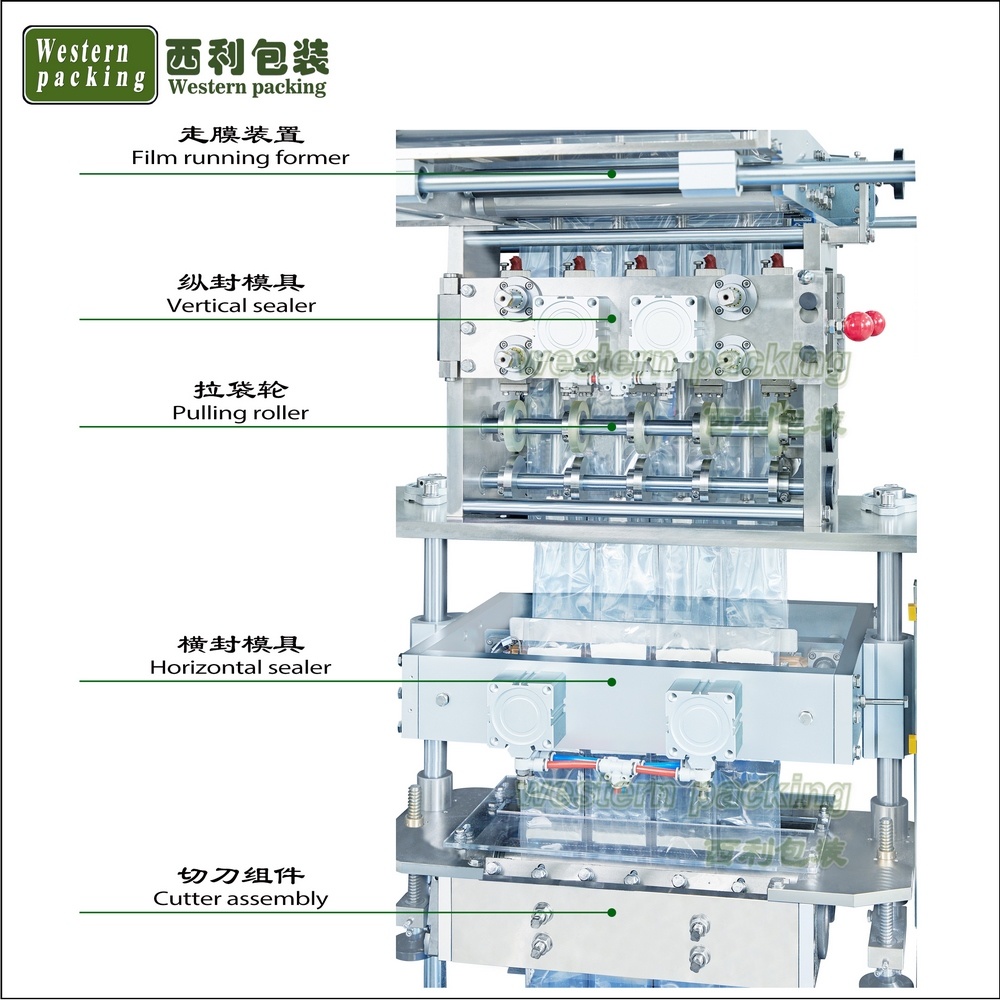
Transform Your Production Line with a Reliable Bags Packing Machine
Table of Contents
- Introduction to Bags Packing Machines
- The Importance of Efficient Packaging
- Types of Bags Packing Machines
- Vertical Bags Packing Machines
- Horizontal Bags Packing Machines
- Automatic vs. Semi-Automatic Machines
- Key Features to Look For
- Benefits of Using a Bags Packing Machine
- How to Choose the Right Bags Packing Machine
- Maintenance Tips for Longevity
- Case Studies: Success Stories
- Frequently Asked Questions
- Conclusion
Introduction to Bags Packing Machines
The manufacturing landscape is evolving rapidly, primarily driven by the need for greater efficiency and precision. One critical component of this transformation is the **bags packing machine**. These machines are designed to automate the packaging process of various products, significantly improving production line productivity. By implementing a reliable bags packing machine, businesses can streamline their operations, reduce labor costs, and ensure consistency in packaging quality.
The Importance of Efficient Packaging
Efficient packaging is not merely about aesthetics; it plays a crucial role in the supply chain. **Efficient packaging** ensures that products are protected during transit, enhances shelf appeal, and facilitates easy handling. Moreover, in industries where time is money, the speed at which products are packed can dramatically impact the overall operational timeline. Thus, investing in **advanced packing machines** is essential for companies looking to stay competitive.
Types of Bags Packing Machines
When considering a bags packing machine, it is vital to recognize that there are various types tailored to different needs and types of products.
Vertical Bags Packing Machines
Vertical bags packing machines are typically used for packaging products in upright positions. They are particularly effective for granular or powdery products like rice, flour, and sugar. The machinery utilizes gravity to fill bags efficiently, making it a popular choice among manufacturers.
Horizontal Bags Packing Machines
In contrast, horizontal bags packing machines are designed for products that require a side loading or horizontal approach. They are ideal for larger items like snacks, pet food, and bulk goods. These machines often feature advanced technology that allows for multi-packing, increasing throughput.
Automatic vs. Semi-Automatic Machines
Choosing between automatic and semi-automatic bags packing machines depends on your production needs. **Automatic machines** require minimal human intervention and are designed for high-volume output. In contrast, **semi-automatic machines** offer flexibility and are often used in smaller operations or in situations where product variety is significant.
Key Features to Look For
When it comes to selecting the right bags packing machine, several features play a pivotal role in enhancing efficiency and productivity. Here are some key features to consider:
Speed and Capacity
Evaluate the machine's speed and capacity to ensure it meets your production demands. A higher speed can significantly reduce your packaging time.
Precision and Accuracy
Look for machines equipped with advanced sensors and controls that ensure precise filling and sealing, minimizing waste and maximizing profit margins.
Durability and Material Quality
Invest in machines made from high-quality materials that can withstand rigorous use. A sturdy build often translates to a longer lifespan and lower maintenance costs.
Ease of Use
Select user-friendly machines with intuitive controls and easy setup processes, allowing your staff to operate them with minimal training.
Customization Options
Many bags packing machines offer customization features for different bag sizes and materials, making them versatile for various products.
Benefits of Using a Bags Packing Machine
Integrating a bags packing machine into your production line offers numerous benefits:
Enhanced Efficiency
Machines work faster than manual labor, ensuring that products are packed quickly, thus increasing overall throughput.
Improved Consistency
Automated processes provide a consistent output, ensuring that every package meets your quality standards.
Cost Savings
Although the initial investment may be significant, the reduction in labor costs and increased efficiency can lead to substantial savings.
Reduced Waste
With precise filling capabilities, these machines minimize product waste, further enhancing profitability.
Scalability
As your business grows, bags packing machines can be adjusted or upgraded to meet increasing demands without major overhauls in the production line.
How to Choose the Right Bags Packing Machine
Selecting the right bags packing machine requires careful consideration of several factors:
Assess Your Production Needs
Consider the volume of products you need to package and the types of materials you’ll be using. This assessment will guide your choice.
Research Different Brands
Look into various manufacturers and their product offerings. Read reviews and case studies to understand the reliability and performance of their machines.
Consider Future Needs
Choose a machine that can adapt to future demands, whether through upgrades or the ability to handle a broader range of products.
Evaluate Support and Service Options
After purchasing, ongoing support is essential. Ensure the manufacturer offers comprehensive service options and readily available replacement parts.
Maintenance Tips for Longevity
To ensure your bags packing machine operates efficiently for years to come, regular maintenance is crucial. Here are some essential tips:
Regular Cleaning
Keep the machine clean to prevent dust and product buildup, which can affect performance. Follow the manufacturer’s guidelines for proper cleaning techniques.
Routine Inspections
Conduct regular inspections to identify any wear and tear. Addressing minor issues promptly can prevent more significant problems down the line.
Lubrication
Ensure moving parts are adequately lubricated according to the manufacturer’s recommendations to enhance performance and extend the machine's life.
Calibration
Regularly calibrate the machine to maintain its filling accuracy. This step is vital for ensuring consistent product quality.
Case Studies: Success Stories
Examining real-world applications of bags packing machines can provide insights into their effectiveness.
Case Study 1: Food Industry Transformation
A leading snack manufacturer implemented an automatic bags packing machine that increased their packaging speed by 50%. They reported a significant reduction in labor costs and a better shelf-life for their products due to improved sealing technology.
Case Study 2: Agricultural Product Efficiency
An agricultural supplier introduced a vertical bags packing machine, allowing them to package fertilizers in bulk. This machine reduced their packaging time by 30%, enabling them to meet seasonal demand spikes without compromising quality.
Frequently Asked Questions
1. What is the average cost of a bags packing machine?
The cost varies widely based on the machine's capabilities, ranging from a few thousand to tens of thousands of dollars.
2. How can I determine which bags packing machine is best for my products?
Assess your product type, packaging volume, and specific features required. Consulting with manufacturers can also provide tailored recommendations.
3. Are bags packing machines easy to operate?
Most modern bags packing machines come with user-friendly interfaces, making them easy to operate with minimal training.
4. How often should I perform maintenance on my bags packing machine?
Regular maintenance should be conducted according to the manufacturer’s guidelines, generally every few weeks or monthly, depending on usage.
5. Can I use different bag sizes with one machine?
Many bags packing machines offer adjustability for different bag sizes, but it’s crucial to verify this feature before purchasing.
Conclusion
In conclusion, integrating a reliable **bags packing machine** into your production line is an essential step in enhancing operational efficiency, reducing costs, and improving packaging quality. By understanding the types of machines available, the key features to look for, and the benefits they offer, you can make an informed decision that aligns with your business goals. Regular maintenance and a keen eye on industry trends will ensure that your investment yields substantial returns. Transform your packaging process today, and watch your production line thrive.
bags packing machine

Innovations in Granule Packing Technology You Should Know
Innovations in Granule Packing Technology: A Comprehensive Guide Table of Contents Understanding Granule Packing Technology Importance of Granule Packing in Manufacturing Key Innovations in Granule Packing Technology The Role of Automation in Granule Packing Sustainable Packaging Solutions for Granules Advanced Sensors and Monitoring Systems Case Studies and Industry Examples Futu
2026-08-28
Maximize Efficiency with Advanced Tea Bag Packing Machines
In the realm of packaging machinery, tea bag packing machines represent a vital innovation for manufacturers in the tea industry. These specialized machines are designed to automate the tea bag production process, significantly increasing efficiency while maintaining the quality of the product. With the growing demand for convenient tea options, understanding the functionality and advantages of te
2026-08-27
How Food Packaging Machines Enhance Product Safety and Compliance
How Food Packaging Machines Enhance Product Safety and Compliance Table of Contents 1. Introduction to Food Packaging Machines 2. The Importance of Food Safety in Packaging 3. Types of Food Packaging Machines 4. Advanced Technologies in Food Packaging 5. Regulatory Compliance in Food Packaging 6. The Impact of Food Packaging on Product Safety 7. Best Practices for Food
2026-08-26


Head office :
112 ROBINSON ROAD #03-01 ROBINSON 112 ,SINGAPORE
HONGKONG BRANCH :
12/F ZJ 300 300 LOCKHART ROAD WAN
CHAI HK
GUANGZHOU BRANCH:
3th, Yilongjie Wulonggang, Zhongluotan, Baiyun district, Guangzhou,China
Subscribe to our newsletter and get professional packaging solution


SAF Coolest v1.3.1.2 设置面板 UFQSX-ANRV-PSSVE-XVF
无数据提示
Sorry, the current column is being updated, please look forward to it!