

Streamlining Your Production: The Benefits of Hot Sauce Sachet Filling Machines
Date:
2024-09-26
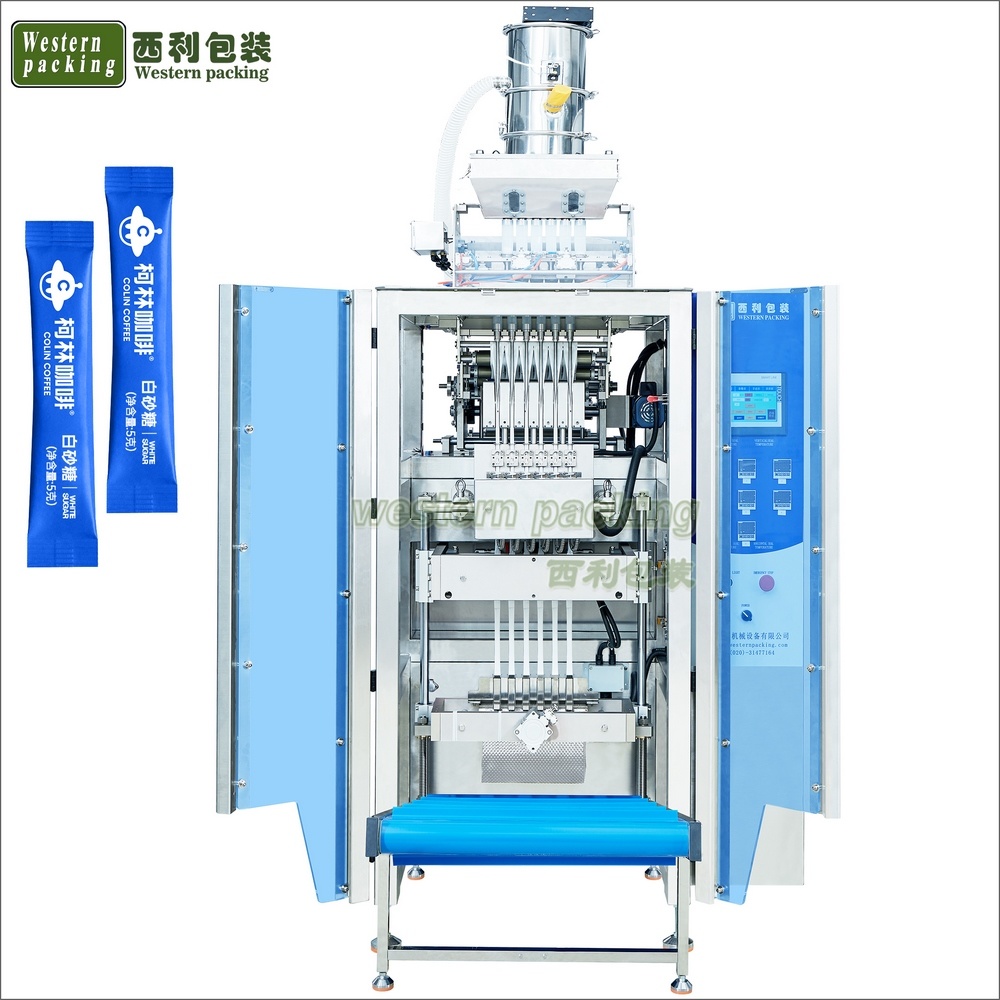
Streamlining Your Production: The Benefits of Hot Sauce Sachet Filling Machines
Table of Contents
- 1. Introduction to Hot Sauce Sachet Filling Machines
- 2. Importance of Efficient Production in the Hot Sauce Industry
- 3. Key Benefits of Using Hot Sauce Sachet Filling Machines
- 3.1 Enhanced Efficiency in Production Processes
- 3.2 Cost-Effectiveness and Reduced Waste
- 3.3 Improved Product Quality and Consistency
- 3.4 Versatility and Adaptability
- 3.5 Meeting Consumer Demands and Preferences
- 4. Technology Behind Hot Sauce Sachet Filling Machines
- 5. Key Considerations When Choosing a Sachet Filling Machine
- 6. Steps for Implementing Hot Sauce Sachet Filling Machines
- 7. Case Study: Successful Implementation in a Hot Sauce Company
- 8. Frequently Asked Questions (FAQs)
- 9. Conclusion
1. Introduction to Hot Sauce Sachet Filling Machines
In today's fast-paced food production environment, hot sauce sachet filling machines have emerged as a game-changer for manufacturers in the spicy sauce industry. These machines automate the process of filling single-serve sachets with hot sauce, catering to a growing demand for convenience and portion control among consumers. The rise in popularity of food-on-the-go has prompted manufacturers to adopt innovative solutions that enhance production efficiency and meet consumer expectations.
2. Importance of Efficient Production in the Hot Sauce Industry
Efficient production processes are crucial in the hot sauce industry. With fierce competition and ever-evolving consumer preferences, maintaining a streamlined operation allows manufacturers to deliver high-quality products quickly and affordably. **Hot sauce sachet filling machines** represent a vital investment in this pursuit, enabling companies to meet rising product demands while minimizing operational complexities.
3. Key Benefits of Using Hot Sauce Sachet Filling Machines
When considering the integration of hot sauce sachet filling machines into your production line, it’s essential to understand the multifaceted benefits they offer.
3.1 Enhanced Efficiency in Production Processes
Hot sauce sachet filling machines significantly enhance production efficiency by automating the filling process. This automation reduces manual labor and minimizes the likelihood of human error, resulting in faster production cycles. The ability to fill multiple sachets simultaneously maximizes output and boosts overall productivity.
3.2 Cost-Effectiveness and Reduced Waste
Implementing a sachet filling machine leads to substantial cost savings. By accurately dispensing the right amount of hot sauce into each sachet, manufacturers can drastically reduce product waste. Moreover, the reduction in labor costs associated with manual filling processes further contributes to the overall cost-effectiveness of this technology.
3.3 Improved Product Quality and Consistency
Consumers often prioritize quality and consistency when choosing hot sauces. Hot sauce sachet filling machines are designed to deliver precise measurements, ensuring that every sachet contains the same amount of sauce. This uniformity not only enhances product quality but also builds consumer trust, as customers can rely on the consistent flavor and experience from each sachet.
3.4 Versatility and Adaptability
Hot sauce sachet filling machines are versatile and can accommodate various sachet sizes and materials. This flexibility allows manufacturers to experiment with different packaging designs, which can appeal to diverse consumer preferences and expand market reach. Whether it's a spicy, tangy, or sweet hot sauce, these machines can be adapted to meet specific production requirements.
3.5 Meeting Consumer Demands and Preferences
In an era where consumers are increasingly looking for convenience, hot sauce sachet filling machines allow manufacturers to cater to this trend effectively. Single-serve sachets are perfect for on-the-go consumers, making them ideal for pairing with fast food, picnic lunches, or travel meals. By embracing this packaging format, companies can better align their offerings with market demands.
4. Technology Behind Hot Sauce Sachet Filling Machines
Understanding the technology behind hot sauce sachet filling machines is essential for manufacturers looking to invest in production efficiency. These machines typically utilize a combination of advanced sensors, automated filling systems, and programmable controls to ensure precision and reliability. The integration of technology not only improves accuracy in the filling process but also allows for real-time monitoring and adjustments, optimizing production performance.
5. Key Considerations When Choosing a Sachet Filling Machine
Selecting the right hot sauce sachet filling machine requires careful consideration of various factors. Here are some critical aspects to evaluate:
5.1 Production Capacity
Assess your production needs and choose a machine that can meet your output requirements without compromising quality.
5.2 Machine Compatibility
Ensure the filling machine is compatible with your existing production line and can handle the specific viscosity and temperature of your hot sauce.
5.3 Maintenance and Support
Look for machines that come with reliable support and maintenance services to minimize downtime.
5.4 Cost and ROI
Evaluate the initial investment against potential cost savings and revenue generation to determine the machine's overall return on investment.
5.5 User-Friendly Design
Select a machine that is easy to operate and requires minimal training for your staff to maximize efficiency.
6. Steps for Implementing Hot Sauce Sachet Filling Machines
Implementing a hot sauce sachet filling machine in your production line involves several steps:
6.1 Assessing Your Needs
Identify your production goals and determine the most suitable machine specifications.
6.2 Researching Suppliers
Conduct thorough research to find reputable manufacturers and suppliers of hot sauce sachet filling machines.
6.3 Trial and Evaluation
Request a trial period to evaluate the machine's performance before finalizing your purchase.
6.4 Training Staff
Provide comprehensive training for your staff to ensure they can operate the machine effectively and safely.
6.5 Monitoring and Optimization
Continuously monitor production performance and make necessary adjustments to optimize efficiency.
7. Case Study: Successful Implementation in a Hot Sauce Company
To illustrate the effectiveness of hot sauce sachet filling machines, consider the case of a mid-sized hot sauce manufacturer that integrated this technology into their production line. Facing challenges with manual filling processes, the company invested in a high-speed sachet filling machine. Within months, they reported a 30% increase in output, a significant reduction in labor costs, and improved product consistency. Customer satisfaction surged as consumers appreciated the convenience and quality of the single-serve sachets.
8. Frequently Asked Questions (FAQs)
8.1 What types of sauces can be filled using sachet filling machines?
Hot sauce sachet filling machines can accommodate various sauces, including traditional hot sauces, chili sauces, and even thicker sauces like sriracha or barbecue sauce.
8.2 How do I choose the right size sachet for my hot sauce?
Consider your target market and the serving sizes commonly used for your hot sauce. Conduct market research to determine consumer preferences for single-serve portions.
8.3 What maintenance is required for sachet filling machines?
Regular maintenance involves cleaning, routine inspections, and timely repairs to ensure optimal performance. Follow the manufacturer's guidelines for best practices.
8.4 Are sachet filling machines customizable?
Yes, many manufacturers offer customizable options for sachet filling machines, allowing you to adjust settings based on your production needs.
8.5 How can I ensure the quality of my hot sauce sachets?
Implement strict quality control measures throughout the production process, including testing for viscosity, flavor consistency, and proper sealing of sachets.
9. Conclusion
Hot sauce sachet filling machines represent a transformative solution for manufacturers seeking to enhance their production efficiency, reduce waste, and meet consumer demands. By embracing this technology, companies can not only improve their operational processes but also ensure consistent quality and adaptability in an ever-evolving market. The investment in such machinery is not just a step towards modernization; it is a strategic move that can lead to significant competitive advantages in the hot sauce industry. Embrace the future of food production with hot sauce sachet filling machines and watch your business thrive.
hot sauce sachet filling packing machine

Innovations in Granule Packing Technology You Should Know
Innovations in Granule Packing Technology: A Comprehensive Guide Table of Contents Understanding Granule Packing Technology Importance of Granule Packing in Manufacturing Key Innovations in Granule Packing Technology The Role of Automation in Granule Packing Sustainable Packaging Solutions for Granules Advanced Sensors and Monitoring Systems Case Studies and Industry Examples Futu
2026-08-28
Maximize Efficiency with Advanced Tea Bag Packing Machines
In the realm of packaging machinery, tea bag packing machines represent a vital innovation for manufacturers in the tea industry. These specialized machines are designed to automate the tea bag production process, significantly increasing efficiency while maintaining the quality of the product. With the growing demand for convenient tea options, understanding the functionality and advantages of te
2026-08-27
How Food Packaging Machines Enhance Product Safety and Compliance
How Food Packaging Machines Enhance Product Safety and Compliance Table of Contents 1. Introduction to Food Packaging Machines 2. The Importance of Food Safety in Packaging 3. Types of Food Packaging Machines 4. Advanced Technologies in Food Packaging 5. Regulatory Compliance in Food Packaging 6. The Impact of Food Packaging on Product Safety 7. Best Practices for Food
2026-08-26


Head office :
112 ROBINSON ROAD #03-01 ROBINSON 112 ,SINGAPORE
HONGKONG BRANCH :
12/F ZJ 300 300 LOCKHART ROAD WAN
CHAI HK
GUANGZHOU BRANCH:
3th, Yilongjie Wulonggang, Zhongluotan, Baiyun district, Guangzhou,China
Subscribe to our newsletter and get professional packaging solution


SAF Coolest v1.3.1.2 设置面板 UFQSX-ANRV-PSSVE-XVF
无数据提示
Sorry, the current column is being updated, please look forward to it!